How Spicy Is Vietnamese Food? A Guide for Travelers
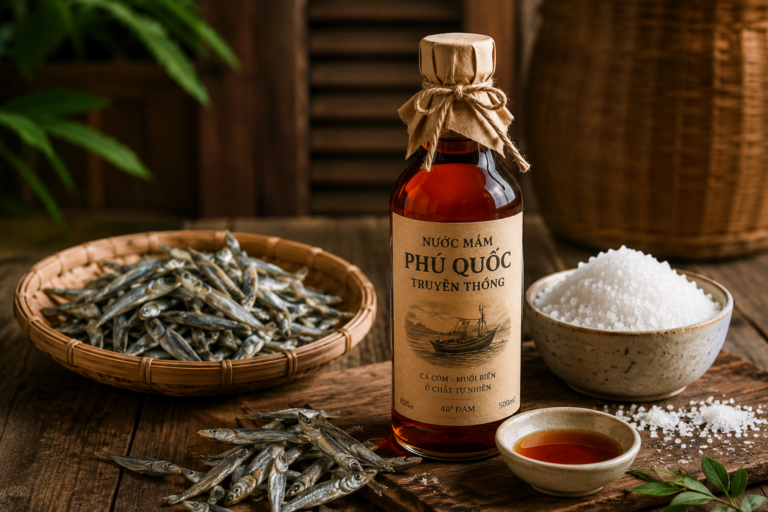
Vietnamese food is famous for fresh herbs, aromatic broths, grilled meats, fish sauce, and a balance of sweet, sour, salty, and savory flavors.
But if you are traveling to Vietnam for the first time, you may have another question:
How spicy is Vietnamese food?
The short answer is that spicy Vietnamese food exists, but Vietnamese cuisine as a whole is not extremely spicy.
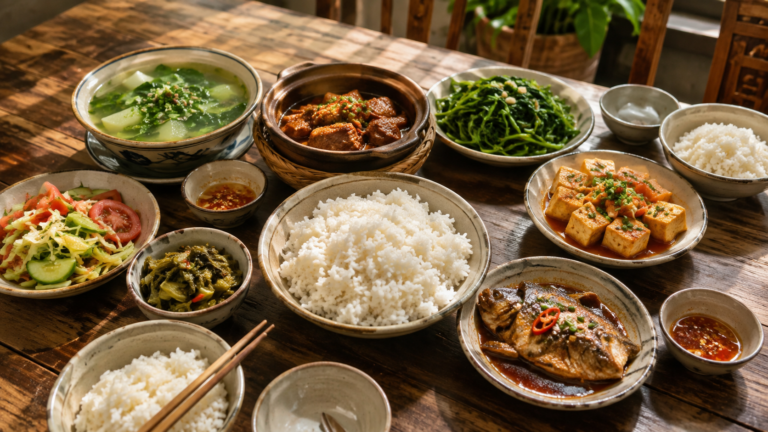
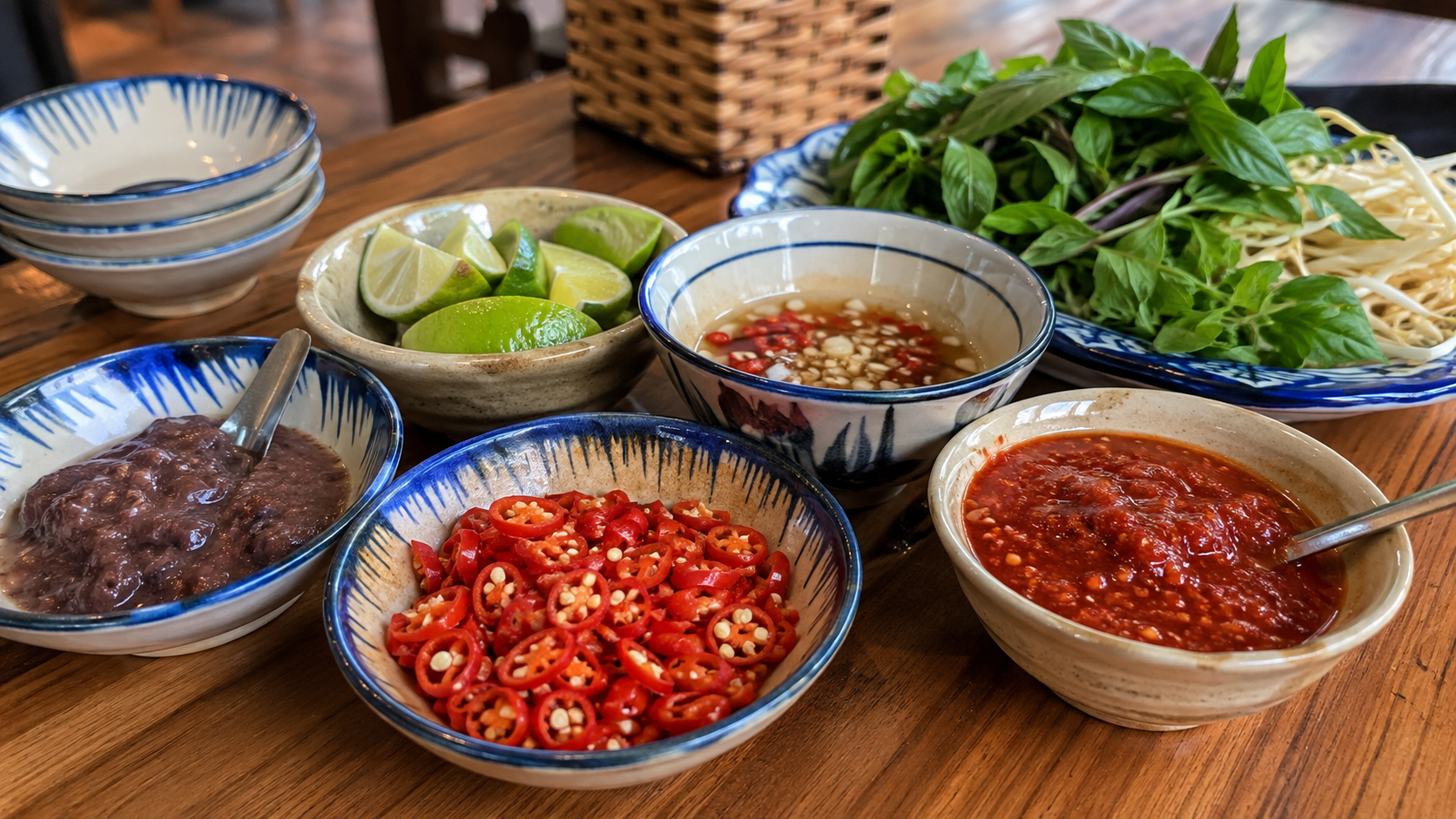
Many popular dishes are surprisingly mild when they arrive at the table. Instead of making every dish hot in the kitchen, Vietnamese restaurants often serve fresh chili, chili sauce, or chili paste separately.
That means you can frequently control the heat yourself.
However, spice levels also vary considerably by region and dish.
Here is what travelers should know before ordering food in Vietnam.
1. Is Vietnamese Food Generally Spicy?
Compared with cuisines known for intense chili heat, Vietnamese food is generally moderate.
Many of Vietnam’s most famous dishes focus more on herbs, broth, grilled aromas, fermented sauces, and contrasting flavors than pure heat.
Popular dishes such as phở, bánh mì, gỏi cuốn, cơm tấm, and many varieties of bánh xèo can be served with little or no chili.
The heat often comes from condiments added afterward.
On a typical Vietnamese table, you may find sliced fresh chili, chili sauce, chili oil, or chili paste alongside lime, fish sauce, and other seasonings.
This allows each person to adjust the flavor.
2. Phở Is Usually Mild
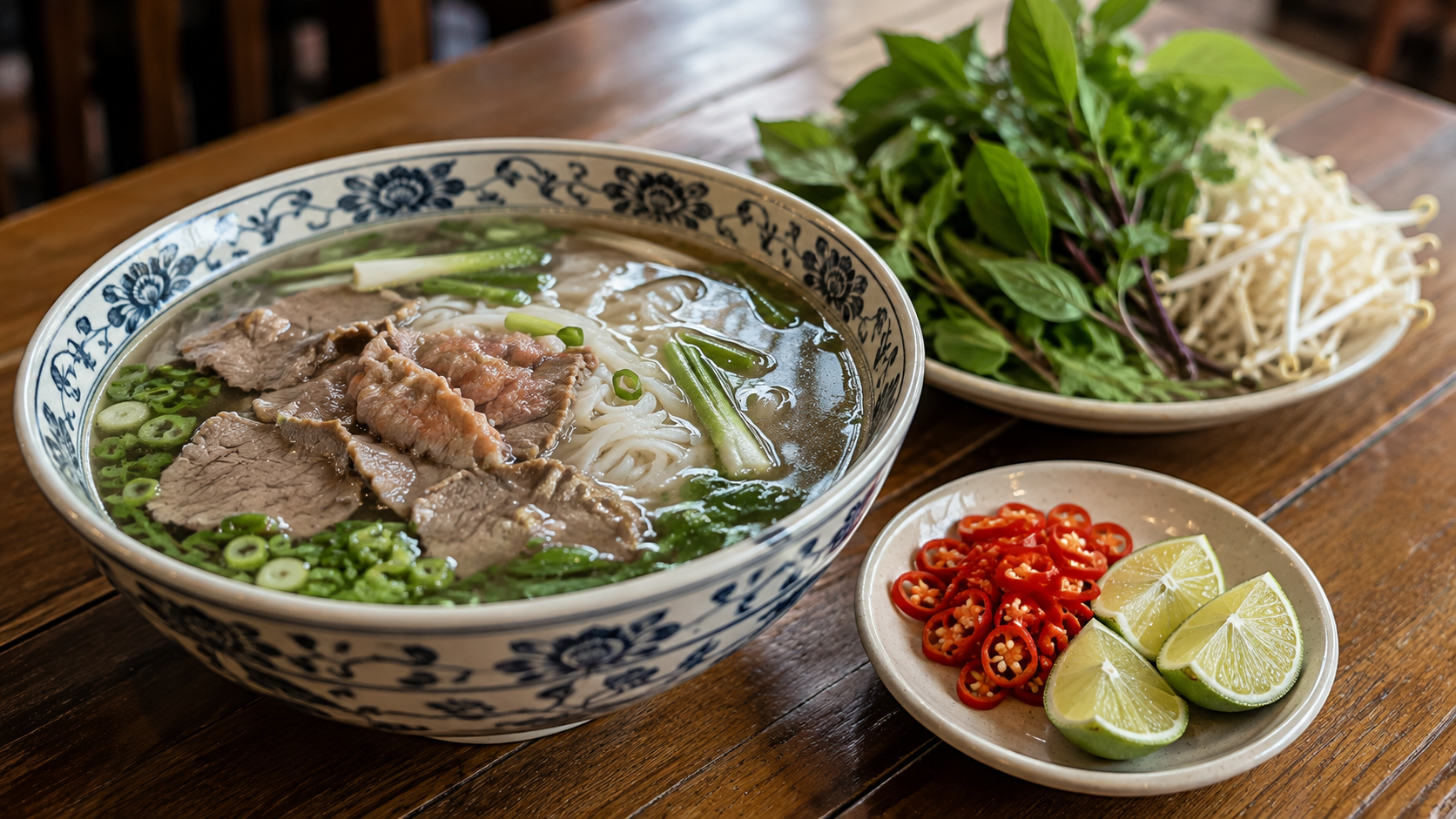
Phở is probably Vietnam’s most internationally famous dish, and travelers worried about spicy food can usually order it without concern.
Traditional phở broth is aromatic rather than spicy.
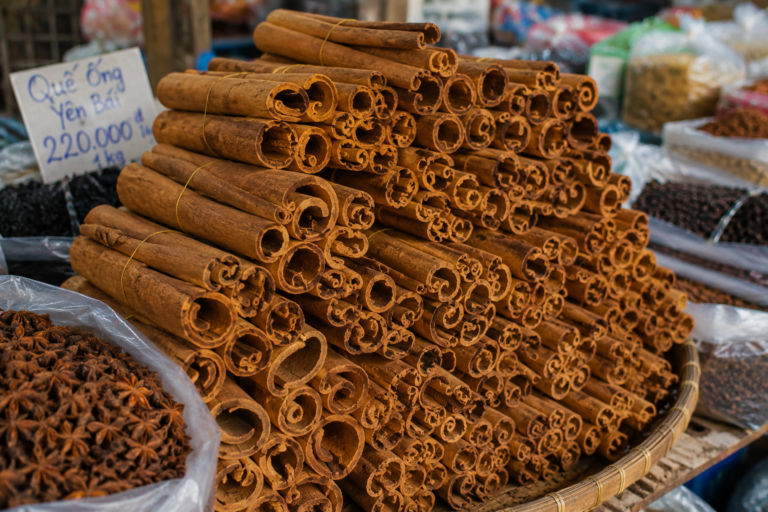
Its flavor typically comes from bones, meat, onions, ginger, and spices such as star anise, cinnamon, cloves, and coriander seeds.
These spices create fragrance and complexity, but not necessarily chili heat.
Fresh chili or chili sauce may be provided separately.
You decide whether to add it.
This makes phở one of the easiest Vietnamese dishes for travelers who prefer mild food.
3. Bún Bò Huế Can Be Much Spicier
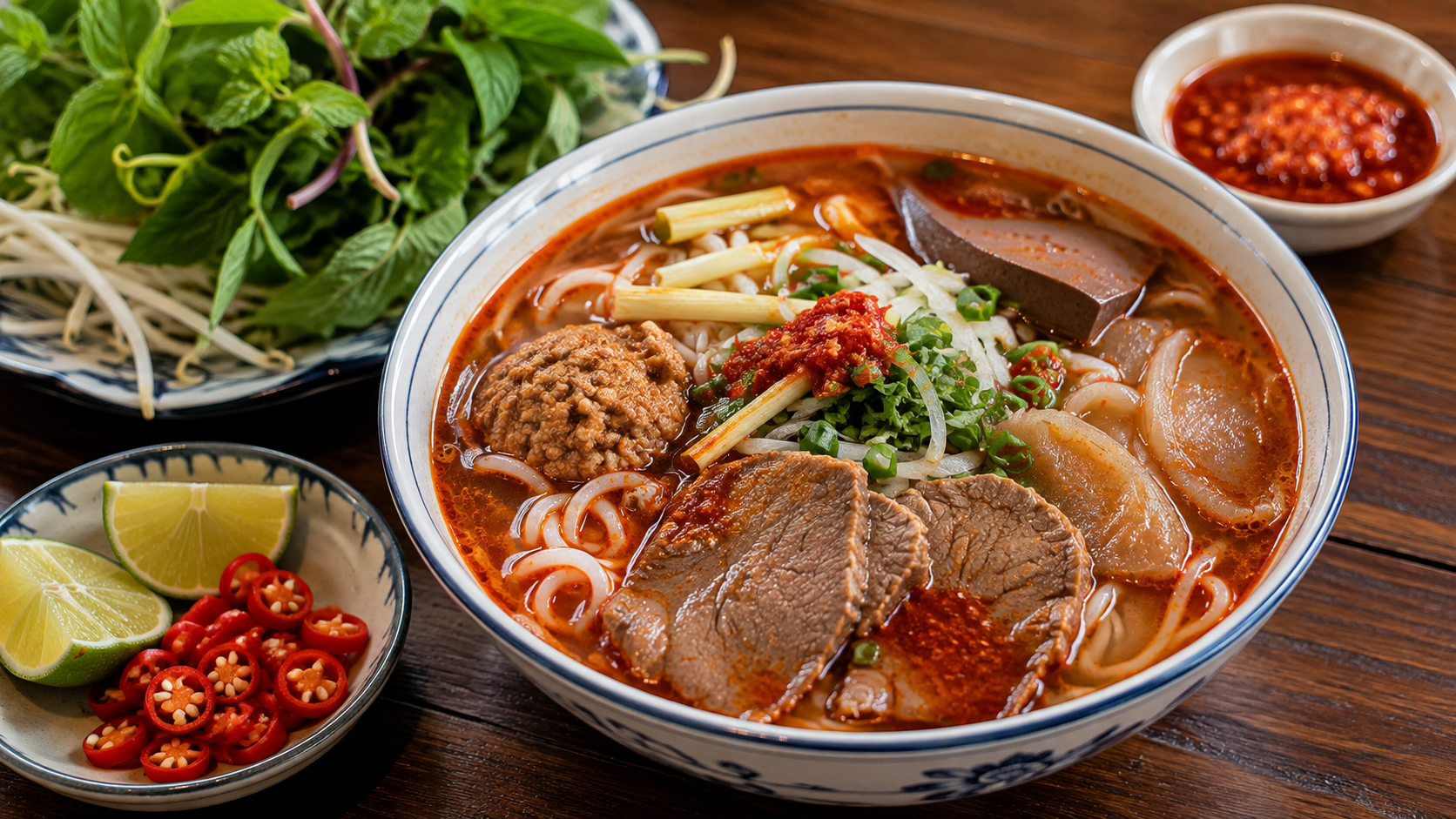
If phở represents the milder side of Vietnamese noodle soups, bún bò Huế shows another side of the cuisine.
Originating from Huế in central Vietnam, this noodle soup has a stronger and more intense flavor.
Its broth commonly contains lemongrass, fermented shrimp paste, beef, and chili oil.
The bright red layer of chili oil on top can make it noticeably hotter than phở.
Not every bowl is extremely spicy, but travelers sensitive to chili should ask about the heat level before ordering.
4. Central Vietnamese Food Is Often Spicier
Where you are traveling in Vietnam can make a difference.
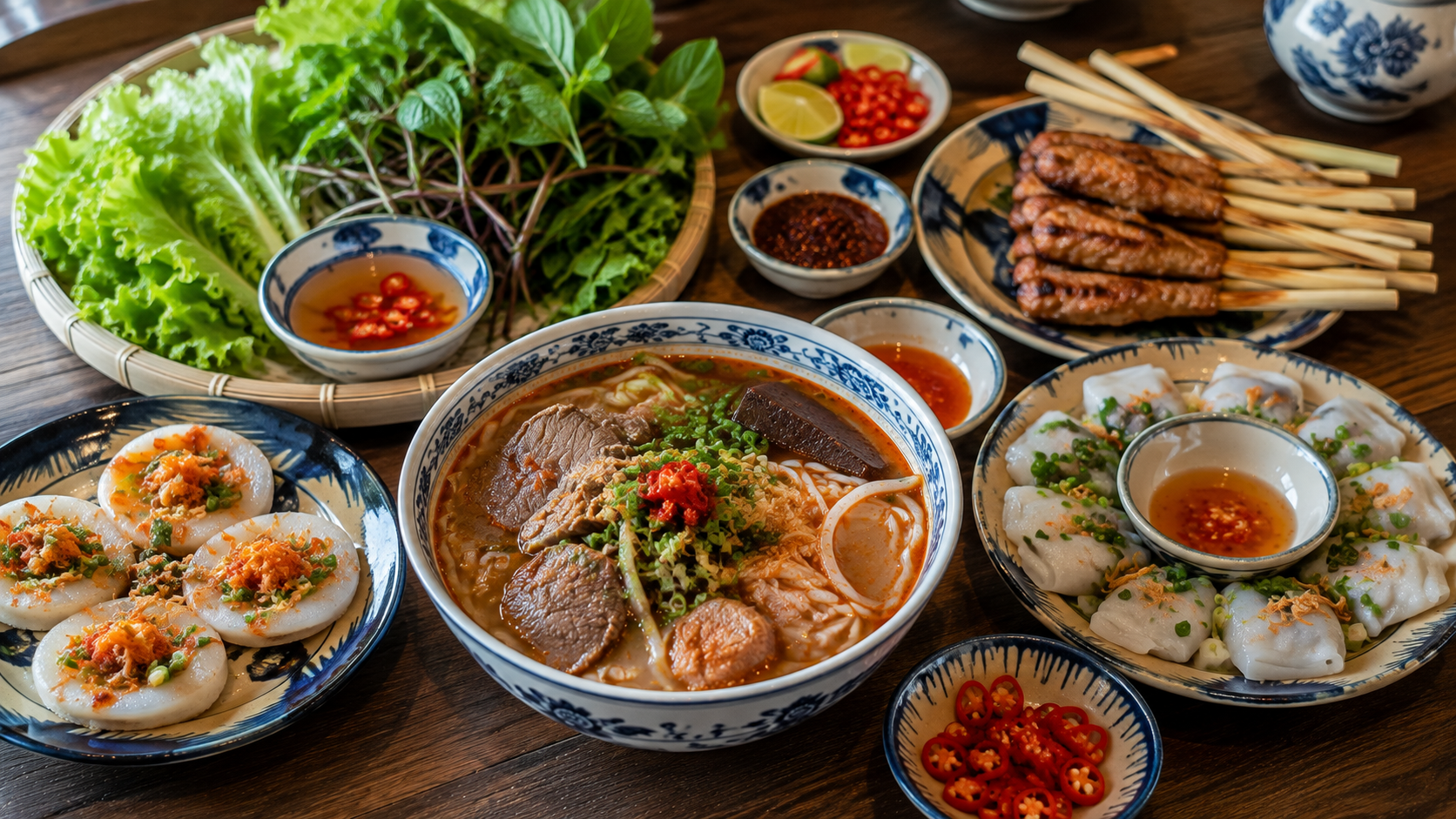
Central Vietnamese cuisine, particularly food associated with Huế, is known for stronger seasoning and a greater use of chili.
Dishes may feature fresh chili, dried chili, chili oil, fermented sauces, and intensely flavored dipping sauces.
In cities such as Huế and Da Nang, travelers may encounter more dishes with noticeable heat than they would in some northern regions.
This does not mean every Central Vietnamese dish is spicy.
But if you love chili, Central Vietnam is a particularly interesting region to explore.
5. Northern Vietnamese Food Is Often Milder
Northern Vietnamese cuisine tends to emphasize subtle and balanced flavors.
This is particularly noticeable in dishes associated with Hanoi.
Rather than overwhelming a dish with chili, cooks may focus on clear broths, herbs, fish sauce, vinegar, garlic, and gentle seasoning.
Classic northern dishes such as phở Hà Nội and bún chả are generally approachable for travelers who do not enjoy very spicy food.
Chili is still widely available, but it can often be added separately.
6. Southern Vietnamese Food Often Balances Sweetness and Heat
Southern Vietnamese cuisine has its own personality.
Because of the tropical climate and abundant agriculture of southern Vietnam, dishes frequently incorporate fresh vegetables, herbs, coconut products, and slightly sweeter flavors.
Chili is certainly used, but sweetness often balances the heat.
Dipping sauces can combine fish sauce, sugar, lime, garlic, and chili to create several flavors at once.
Instead of simply tasting “hot,” a sauce may taste sweet, sour, salty, and spicy simultaneously.
7. Fresh Chili Can Be Surprisingly Hot
There is an important difference between a mildly spicy Vietnamese dish and biting directly into a Vietnamese chili.
Small fresh chilies can be extremely hot.
They are frequently sliced and placed in small bowls on restaurant tables or mixed into dipping sauces.
Travelers sometimes assume that a tiny chili will be mild because of its size.
That can be a mistake.
If you are unsure about your spice tolerance, add only a small amount first.
You can always add more.
Removing chili after it has been mixed into your soup is much more difficult.

8. Chili Sauce Is Everywhere
Another common source of heat is bottled or homemade chili sauce.
You will often see it at noodle shops, bánh mì stalls, casual restaurants, and street-food stands.
Some sauces are relatively sweet and mild.
Others can be much hotter.
Chili sauce is commonly added to noodle soups, grilled meats, fried foods, bánh mì, and dipping sauces.
Again, the advantage for travelers is control.
If the sauce is served separately, taste a small amount before adding it to your entire meal.
9. Some Dipping Sauces Are Hotter Than the Food
Sometimes the main dish is not spicy at all.
The dipping sauce is.
This is common with grilled meats, seafood, snails, fried foods, and certain regional dishes.
A dipping sauce may contain crushed fresh chili, garlic, fish sauce, lime, salt, or fermented ingredients.
You can simply use less sauce if it is too hot.
When eating Vietnamese food, it is therefore worth tasting the sauce separately before dipping everything into it.

10. How to Ask for Less Spicy Food in Vietnam
If you cannot eat spicy food, learning one short Vietnamese phrase can be useful.
“Không cay” means “not spicy.”
You can say:
“Không cay, cảm ơn.”
This means:
“Not spicy, thank you.”
Another useful phrase is:
“Ít cay.”
This means:
“Less spicy.”
Most restaurant staff in tourist areas will also understand simple English requests such as “no spicy” or “no chili.”
For dishes where chili is normally added during cooking, asking before the food is prepared is always better.
What Vietnamese Foods Are Good for People Who Don’t Like Spicy Food?
There are plenty of options.
Consider trying:
- Phở
- Bún chả
- Gỏi cuốn
- Bánh mì without chili
- Cơm tấm
- Bánh xèo
- Grilled meats
- Vietnamese fried rice
- Chicken rice
- Many fresh noodle dishes
Just remember that dipping sauces may still contain chili.
Taste them first.
What Should Spicy Food Lovers Try?
If you enjoy heat, Vietnam still has plenty to explore.
Start with bún bò Huế, especially in Central Vietnam.
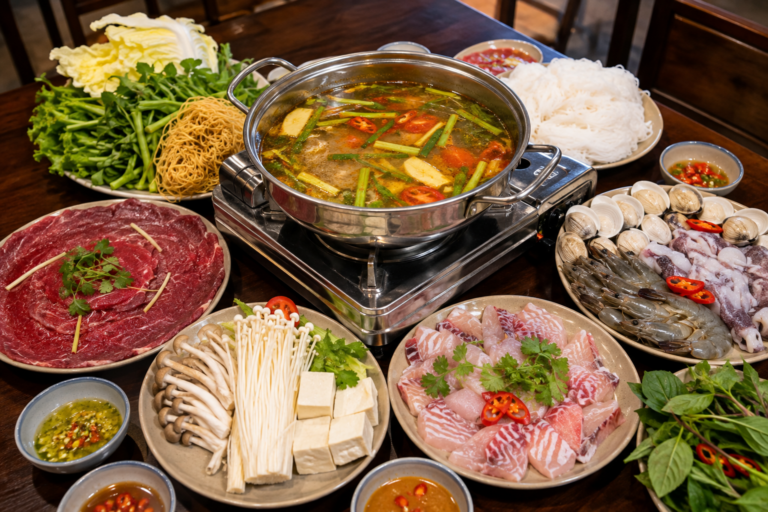
You can also experiment with chili-based dipping sauces, spicy seafood preparations, chili salt, fresh chilies, and regional dishes from Huế and other parts of Central Vietnam.
Rather than simply chasing the hottest dish possible, pay attention to how Vietnamese cooks combine chili with lemongrass, garlic, lime, fish sauce, herbs, and sweetness.
That balance is what makes the heat interesting.
FAQ
Is Vietnamese food very spicy?
Generally, no. Vietnamese cuisine uses chili frequently, but many popular dishes are mild and allow diners to add chili separately.
Is phở spicy?
Traditional phở is usually not spicy. Chili, chili sauce, or chili oil can normally be added according to personal preference.
What is a popular spicy Vietnamese dish?
Bún bò Huế is one of the best-known Vietnamese dishes with noticeable chili heat.
Which region of Vietnam has the spiciest food?
Central Vietnamese cuisine, particularly dishes associated with Huế, is generally known for stronger chili flavors.
How do I say “not spicy” in Vietnamese?
Say “Không cay.” If you want only a little spice, say “Ít cay.”
Can I eat Vietnamese food if I cannot tolerate chili?
Absolutely. Many Vietnamese dishes are naturally mild, and chili is often provided separately.
Final Thoughts
So, how spicy is Vietnamese food?
Probably less spicy than many first-time travelers expect.
Chili is an important ingredient in Vietnam, but heat is only one part of a much larger flavor system.
Vietnamese cooking often tries to balance freshness, sweetness, sourness, saltiness, aroma, umami, and spice rather than allowing chili to dominate everything.
Better yet, many restaurants put the chili on the table and let you decide.
Whether you avoid spicy food completely or add fresh chili to almost everything, it is surprisingly easy to find Vietnamese dishes that match your preferred level of heat.