Vietnamese Fish Sauce: Why Nước Mắm Matters in Vietnamese Cooking
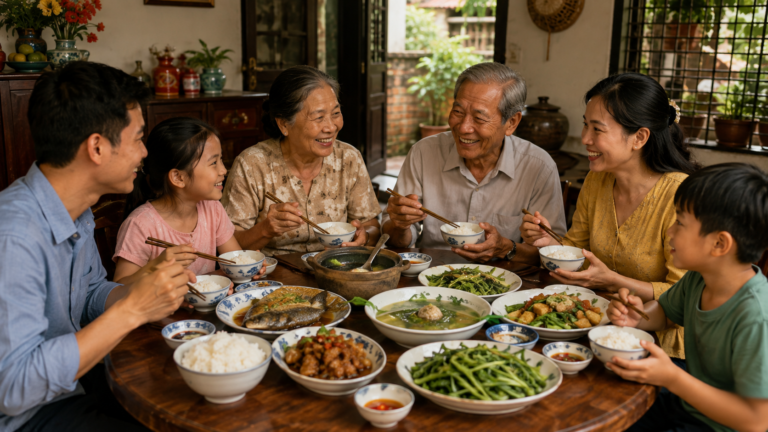
Vietnamese fish sauce—nước mắm—is one of the ingredients that gives Vietnamese cooking its savory depth. It appears in marinades, soups, dipping sauces, and dishes served with rice. Yet the bottle used to season a pot of soup is not necessarily the same mixture poured over a bowl of noodles.
This guide explains what traditional fish sauce is, what to look for on a label, and how to taste and use it without overwhelming your food.
What Is Vietnamese Fish Sauce?
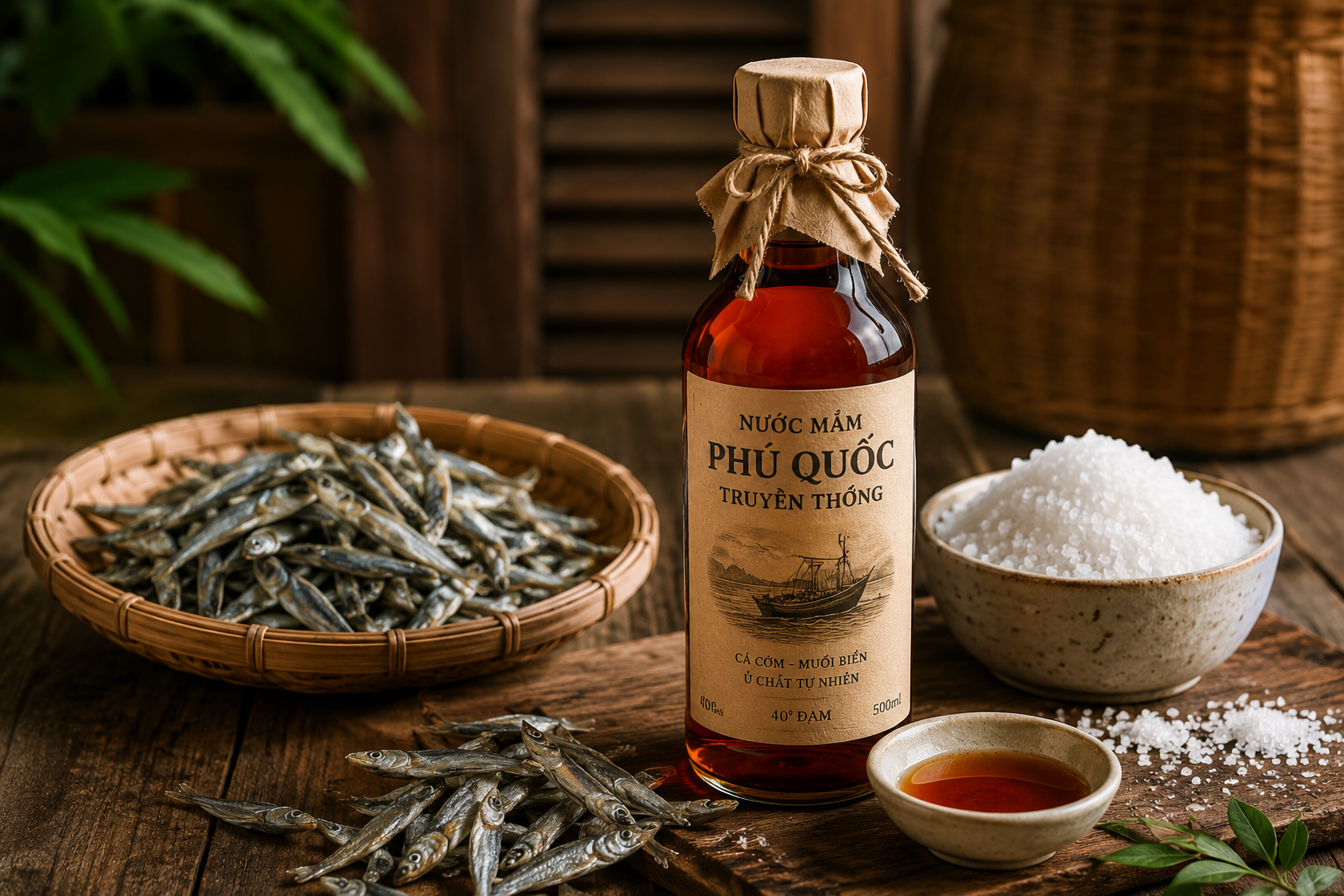
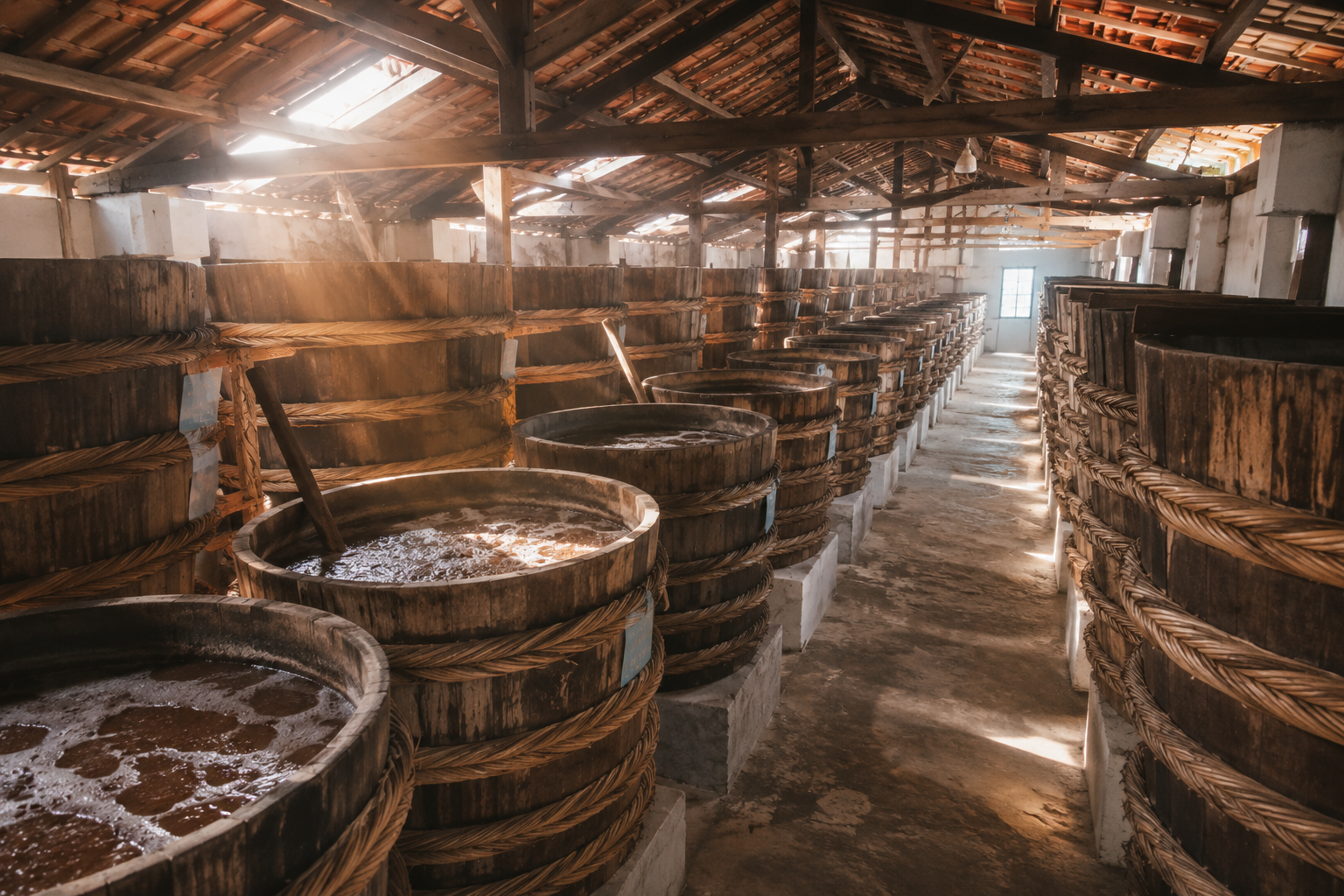
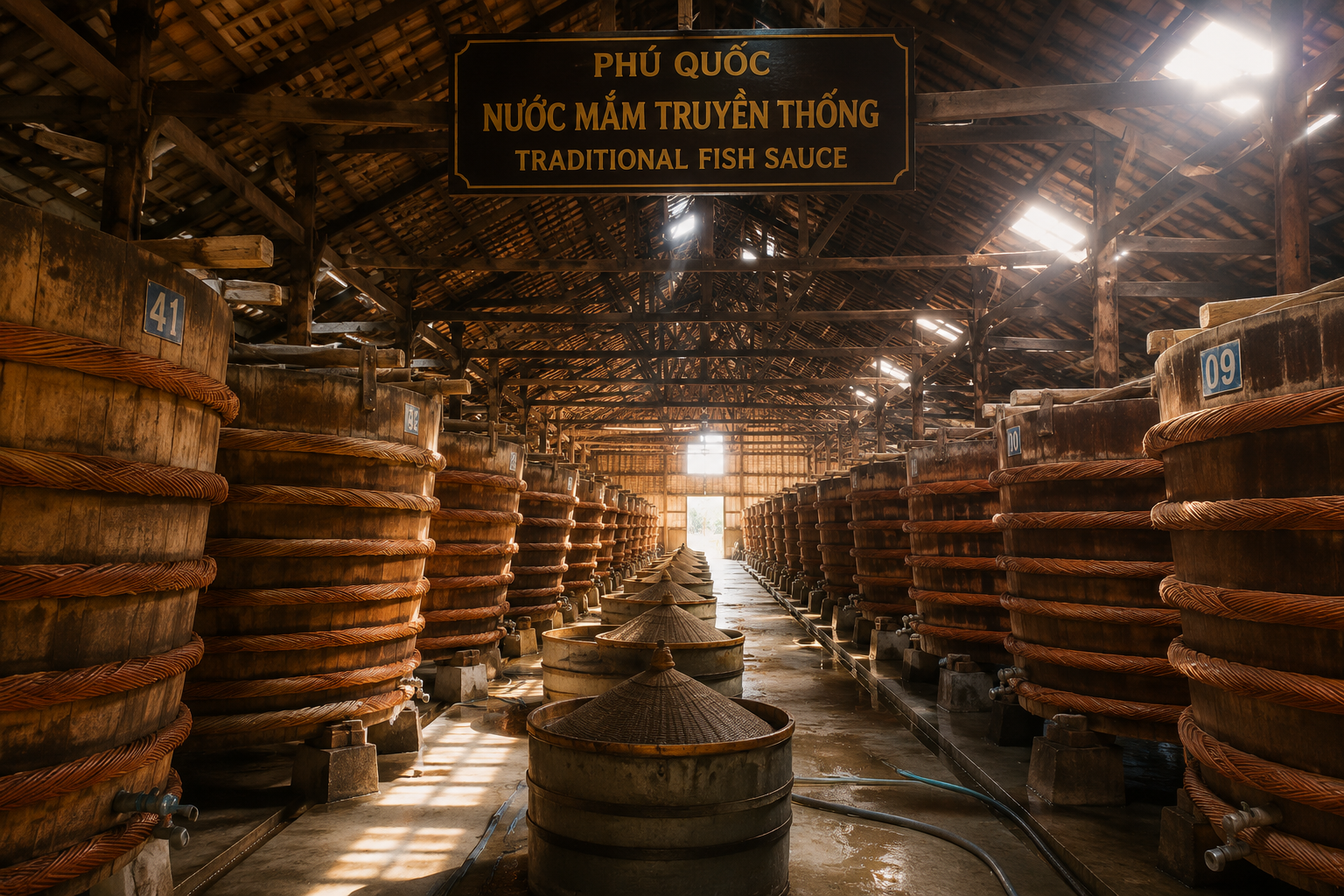
Traditional fish sauce is a salty, amber-colored liquid made by fermenting fish with salt. Anchovies are commonly used, although other fish can also be used depending on the producer and region. During fermentation, fish proteins break down, creating the distinctive savory aroma that cooks value.
The international Codex Standard for Fish Sauce (CXS 302-2011) describes fish sauce as a product of fish-and-salt fermentation. Bottled products in shops can differ in their ingredients, concentrations, and intended use, so the label matters more than a single description of what fish sauce “should” taste like.
If you are new to it, remember that nước mắm is usually an ingredient, not something to drink or taste in a large spoonful straight from the bottle. Its saltiness and aroma are meant to be balanced within a dish.
Two Ways Fish Sauce Appears at the Table
As a cooking seasoning
A small amount of straight fish sauce can deepen the flavor of soups, braised pork, stir-fried vegetables, and marinades. It contributes salt and a savory quality; adding more is not always better. Cooks often taste the dish before adding extra salt because fish sauce is already salty.
As a diluted dipping sauce
A dipping sauce called nước chấm may combine fish sauce with water, lime juice or vinegar, sugar, garlic, and fresh chili. It is much gentler than the concentrated sauce in the bottle, and the proportions vary by household and dish.
For a simple home experiment, mix a little fish sauce with water, lime juice, and sugar, then taste and adjust until salty, sour, and sweet feel balanced. Add garlic and sliced chili last. There is no single ratio for every brand or every dish.
Vietnamese Dishes That Use Fish Sauce
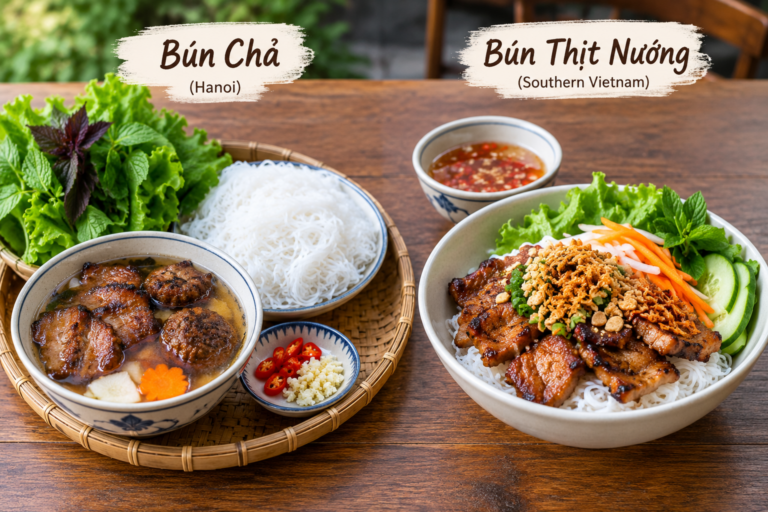
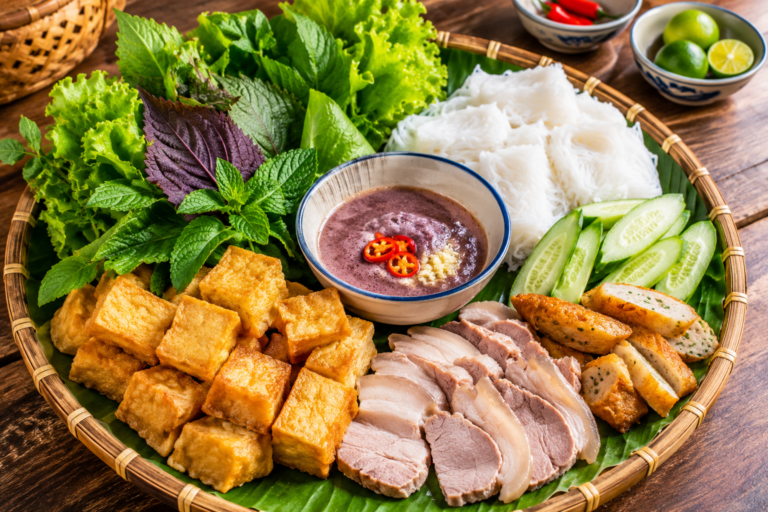
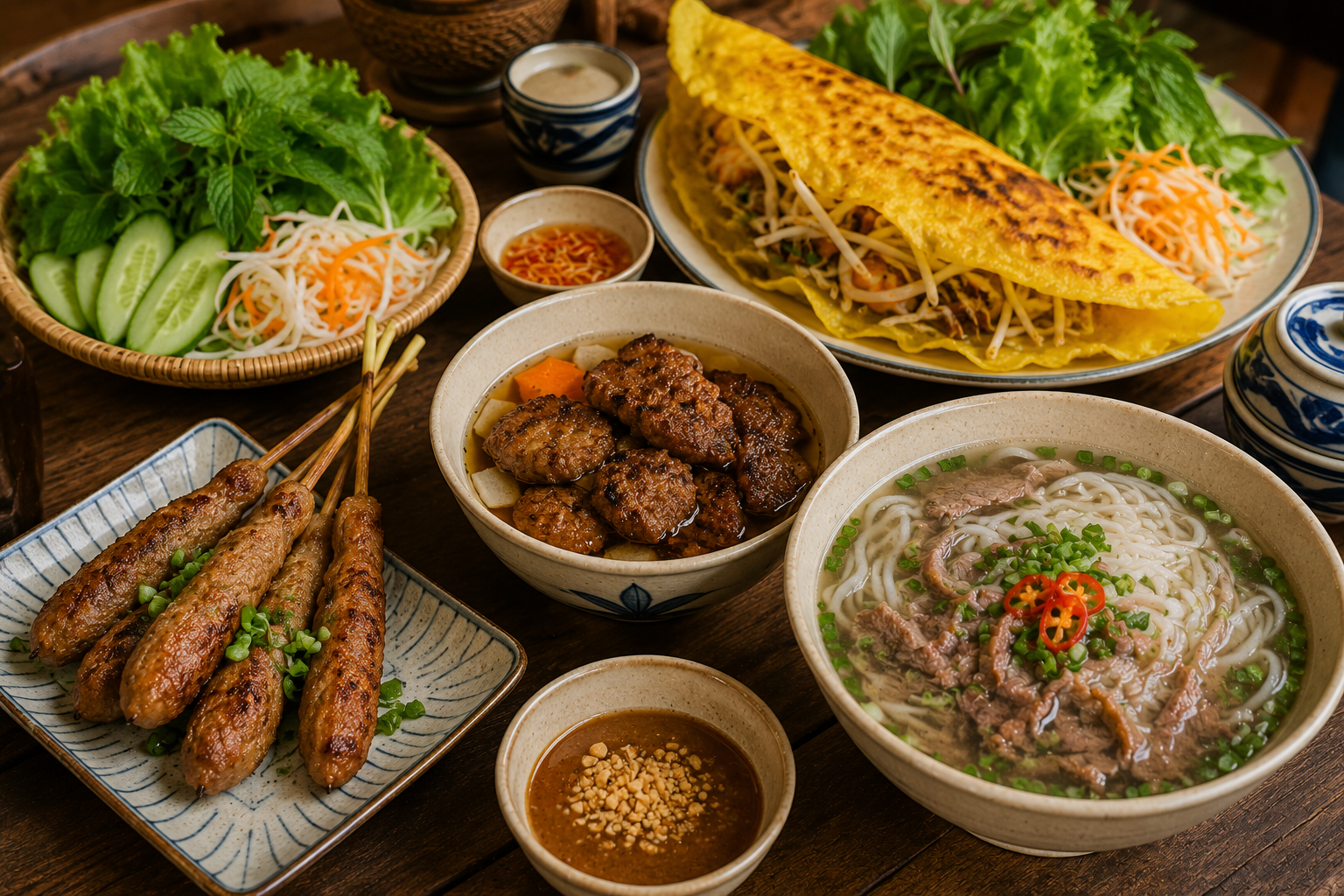
- Bún chả: Grilled pork and rice noodles are served with a sweet-sour dipping broth that commonly includes fish sauce. Read our bún chả versus bún thịt nướng comparison.
- Bún thịt nướng: Grilled pork is served over noodles and herbs, often with a fish-sauce-based dressing poured over the bowl.
- Bánh xèo: Crispy savory pancakes are often eaten with herbs and a dipping sauce made with fish sauce.
- Caramelized or braised dishes: Fish sauce can season dishes such as thịt kho, alongside sugar, pepper, and other ingredients.
Fish sauce may also be present in a broth or a cooked dish without being obvious from the finished appearance. If you avoid fish for dietary or allergy reasons, do not assume a clear sauce or vegetarian-looking vegetable dish is fish-free.
What Makes Phú Quốc Fish Sauce Notable?
Phú Quốc is an island known for a long-established fish sauce industry. The name Phú Quốc is protected as a geographical designation in the European Union for products meeting the applicable specification. That is a statement about origin and production requirements, not a guarantee that every bottle you see is made there.
When choosing a souvenir or cooking bottle, look at the producer, origin, ingredient list, and whether the label describes a traditional fermented fish sauce or a prepared dipping product. An island name printed prominently on packaging is not, by itself, sufficient proof of authenticity.
For the geographical designation details, see the EU’s published Phú Quốc specification.
How to Choose Fish Sauce in Vietnam
- Read the ingredients. Traditional fermented products often list fish and salt as core ingredients. Prepared dipping sauces may also contain water, sugar, and other seasonings.
- Look for the intended use. Some bottles are concentrated cooking fish sauce; others are ready-to-use dipping sauces.
- Check the producer and packaging. Choose a properly sealed bottle with a readable label, especially if taking it on a flight.
- Understand “độ đạm.” This is a nitrogen-related number used on some labels, but a bigger number alone does not tell you whether the taste is right for your food.
Open bottles carefully, keep the cap clean, and follow the manufacturer’s storage instructions. If you are bringing fish sauce home, also check airline baggage and your destination country’s liquid and food-import rules; a well-sealed bottle helps with leaks but does not override travel restrictions.
Is Vietnamese Fish Sauce Different From Thai Fish Sauce?
Both Vietnam and Thailand have fish-sauce traditions, and there is significant variation within each country. Some products are stronger, sweeter, saltier, or lighter than others, but national labels alone are not a reliable flavor test. Comparing ingredient lists and tasting small amounts in the same dish is more useful than claiming one country’s sauce is always superior.
Similarly, fish sauce is not interchangeable with soy sauce in every recipe. Soy sauce has its own flavor and is made differently. Some plant-based “fish sauce” alternatives use mushrooms or seaweed; check the ingredients if you need a vegetarian option.
Frequently Asked Questions
Does fish sauce make food taste fishy?
Used sparingly, it often makes a dish taste more savory rather than strongly of fish. Too much concentrated fish sauce can dominate, so add it gradually.
Can vegetarians eat traditional nước mắm?
No. Traditional fish sauce is made from fish. Seek a clearly labeled plant-based alternative such as nước mắm chay, and check the ingredients.
Can I buy it as a souvenir?
Yes, fish sauce is sold in bottles, but liquid baggage limits, leakage, and import rules may apply. Pack only after checking the airline and destination requirements.
Is fish sauce the same as nước chấm?
Not exactly. Nước mắm usually means fish sauce, while nước chấm is a broad term for dipping sauce. Many versions of nước chấm contain diluted fish sauce plus other ingredients.
The Bottom Line
The most useful way to understand Vietnamese fish sauce is to see it in action: a few drops seasoning a pot, a balanced dipping bowl beside grilled pork, or a marinade building flavor before cooking. Start with small quantities, read the bottle, and adjust for the dish rather than following a single rule.
To explore other flavors often served alongside fish sauce, see our guides to Vietnamese dipping sauces and Vietnamese chili.