Vietnamese Dining Etiquette Every Visitor Should Know
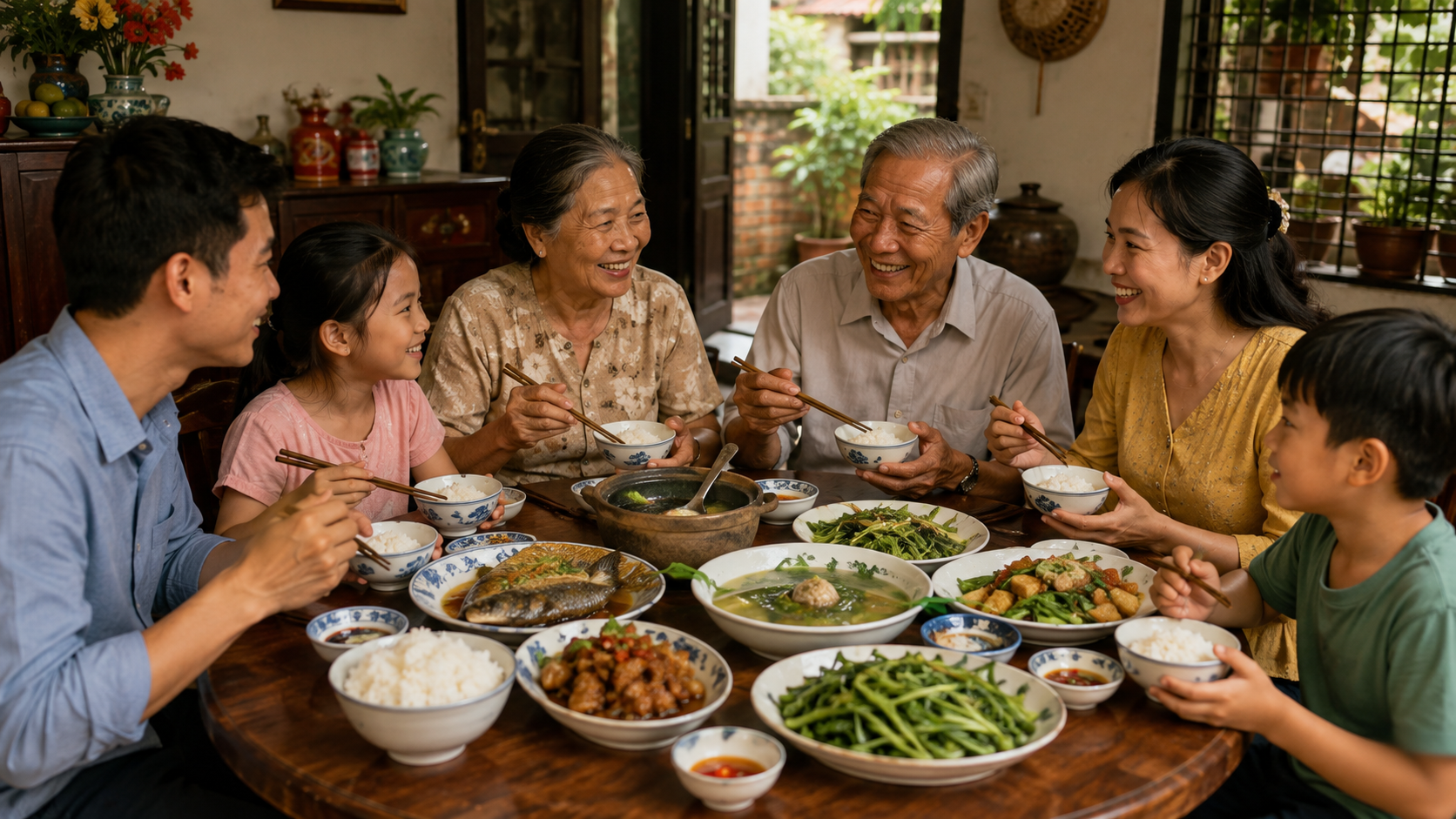
Vietnamese dining etiquette is often more about sharing, courtesy and paying attention to your host than memorizing a rigid list of table rules. When friends or family eat together, several dishes may be placed in the middle of the table, small rice bowls are used individually, and the meal becomes a chance to take care of one another.
If you’re visiting Vietnam for the first time, these 12 practical dining tips will help you feel comfortable at a family dinner, a casual noodle shop or a group restaurant meal. Customs vary by region, generation and setting: what feels natural at a busy street stall may differ from a formal family invitation. The official Vietnam Tourism etiquette guide is an especially useful reference.
Vietnamese Table Manners: Quick Reference
| Situation | Good starting point | What to avoid |
|---|---|---|
| Joining a family meal | Greet older hosts and wait for a cue to begin | Assuming everyone must follow a formal sequence |
| Shared dishes | Take a small portion; pass dishes thoughtfully | Taking more than your share |
| Chopsticks | Rest them beside your bowl when finished | Standing them upright in rice |
| Serving utensils | Use communal utensils when provided | Ignoring a shared serving spoon |
| Dipping sauce | Check whether the bowl is individual or communal | Double-dipping food you’ve bitten |
| A host offers food | Thank them and accept or decline politely | Feeling obliged to eat something unsafe for you |
| A toast | Join with any drink if you like | Assuming alcohol is compulsory |
| At a restaurant | Call staff politely and ask for the bill | Assuming tips are a required percentage |
If you remember only three points, remember these: follow the host, be considerate with shared food, and never leave chopsticks standing vertically in rice.
On This Page
- 1. Respect older diners
- 2. Share dishes considerately
- 3. Use chopsticks politely
- 4. Use serving utensils
- 5. Handle dipping sauces
- 6. Hold your rice bowl naturally
- 7. Accept hospitality politely
- 8. Join a toast without pressure
- 9. Address restaurant staff
- 10. Expect flexible serving order
- 11. Understand paying and tipping
- 12. Follow your host
- Useful Vietnamese phrases
- Common questions
- Sources
1. Respect Older Diners and Your Host
In many Vietnamese families, showing respect to parents, grandparents and older guests is an important social norm. A younger diner may greet elders, invite them to begin eating or wait briefly for an older family member to take the first bite. These customs are particularly noticeable at a family gathering; they are not strict rules for every café or group of friends.
The Vietnam Tourism article on Vietnamese family culture describes the importance of age and courtesy. Visitor tip: greet the people hosting you, notice when they start, and follow their lead. You don’t need a perfect formal phrase to be respectful.
2. Shared Dishes Mean Everyone Gets a Turn
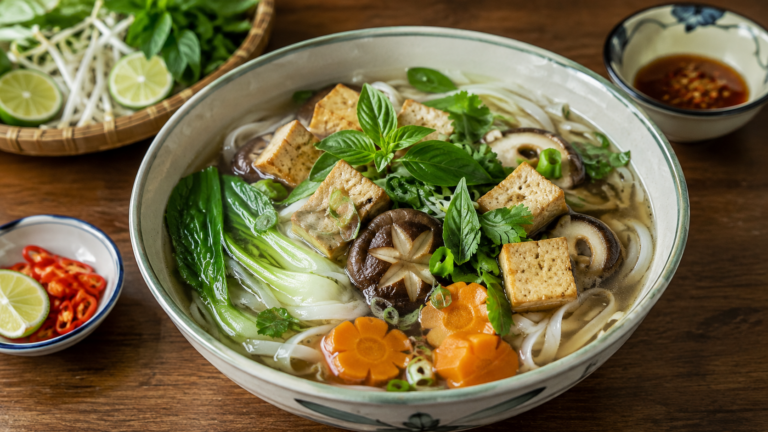
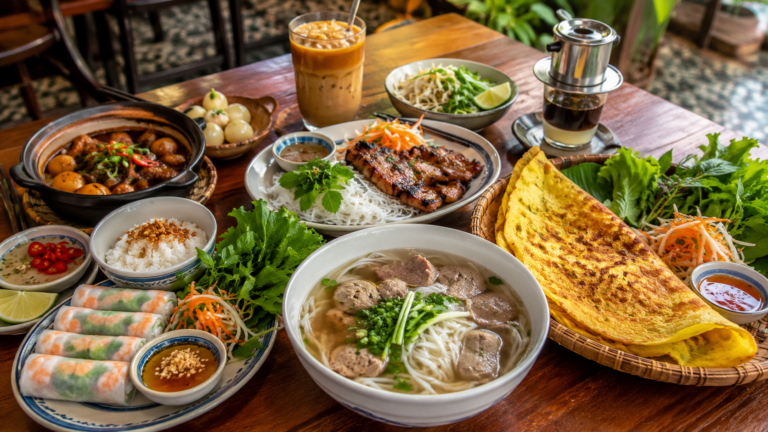
A familiar family-style meal may include separate bowls of rice plus vegetables, soup, meat, fish, tofu and condiments placed centrally for everyone. This differs from a meal where each person receives an entirely separate main course, but Vietnam has both styles. A phở shop, for instance, may serve individual bowls.
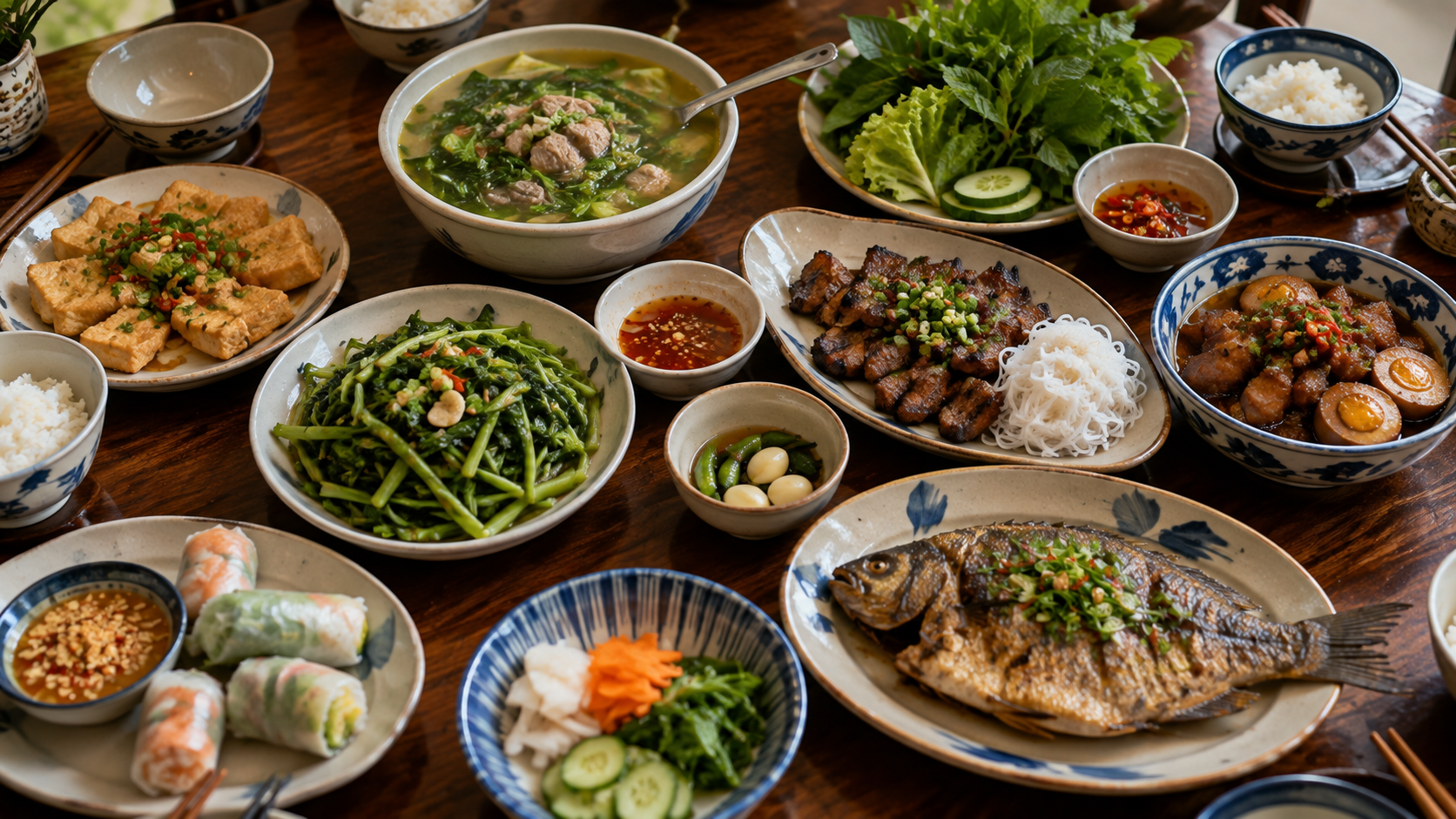
Take small portions first and add more later if you are still hungry. Offer to pass a dish to someone who can’t reach it. Vietnam Tourism’s responsible-travel guide encourages offering rice and arranging dishes within everyone’s reach. The more formal the meal, the more useful it is to observe what the host does.
3. Never Leave Chopsticks Standing Upright in Rice
One of the most widely mentioned Vietnamese dining customs is to avoid placing chopsticks vertically in a rice bowl. The position resembles incense sticks used in ancestor and funeral rituals, so it can be considered inappropriate during an ordinary meal.
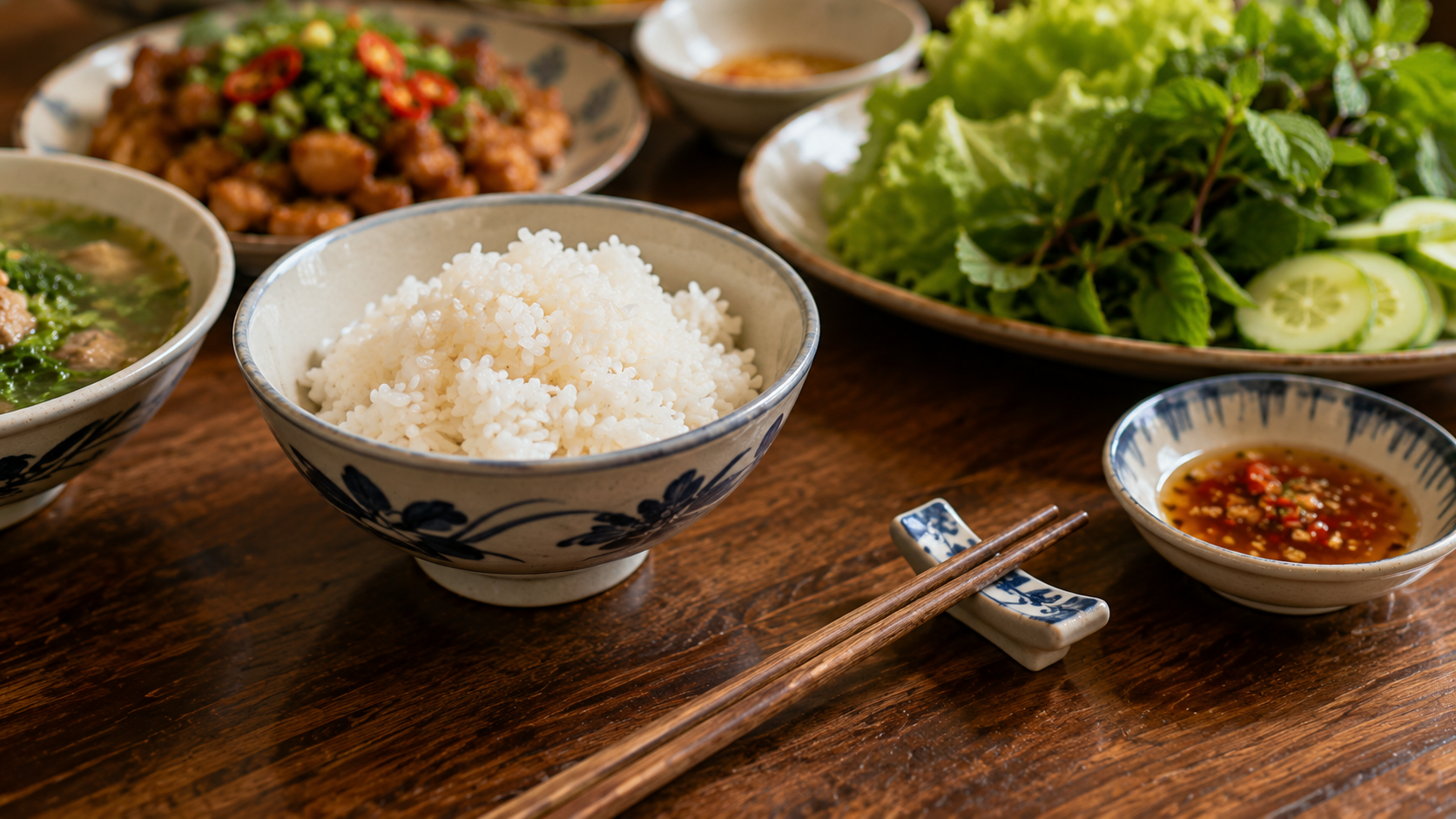
When you finish, lay your chopsticks together beside the bowl or on a rest. Avoid pointing at another person or waving chopsticks while speaking. You do not need expert chopstick skills; if you need a spoon or fork, you can ask politely. The official tourism site’s dining guidance specifically advises against upright chopsticks.
4. Use Serving Utensils When They Are Provided
At group meals, you may find a shared spoon, ladle or extra chopsticks for serving. Use them when available, especially for communal soup and foods everyone will take. At informal meals, people may also select food with their own chopsticks; that does not mean every household or restaurant follows identical rules.
If no serving utensil is present and you’re unsure, simply ask or watch your host. Avoid touching many pieces while choosing, and never put food you have already bitten back into a communal dish. If you are ill or concerned about hygiene, requesting separate utensils is reasonable.
5. Check Whether Dipping Sauces Are Shared
Vietnamese dishes may arrive with small bowls of nước chấm, fish sauce, chili sauce or regional fermented dips. Some dips belong to one person, while others are shared at the table. Try a small amount before adding extra chili or salty seasoning, and avoid double-dipping into a communal bowl.
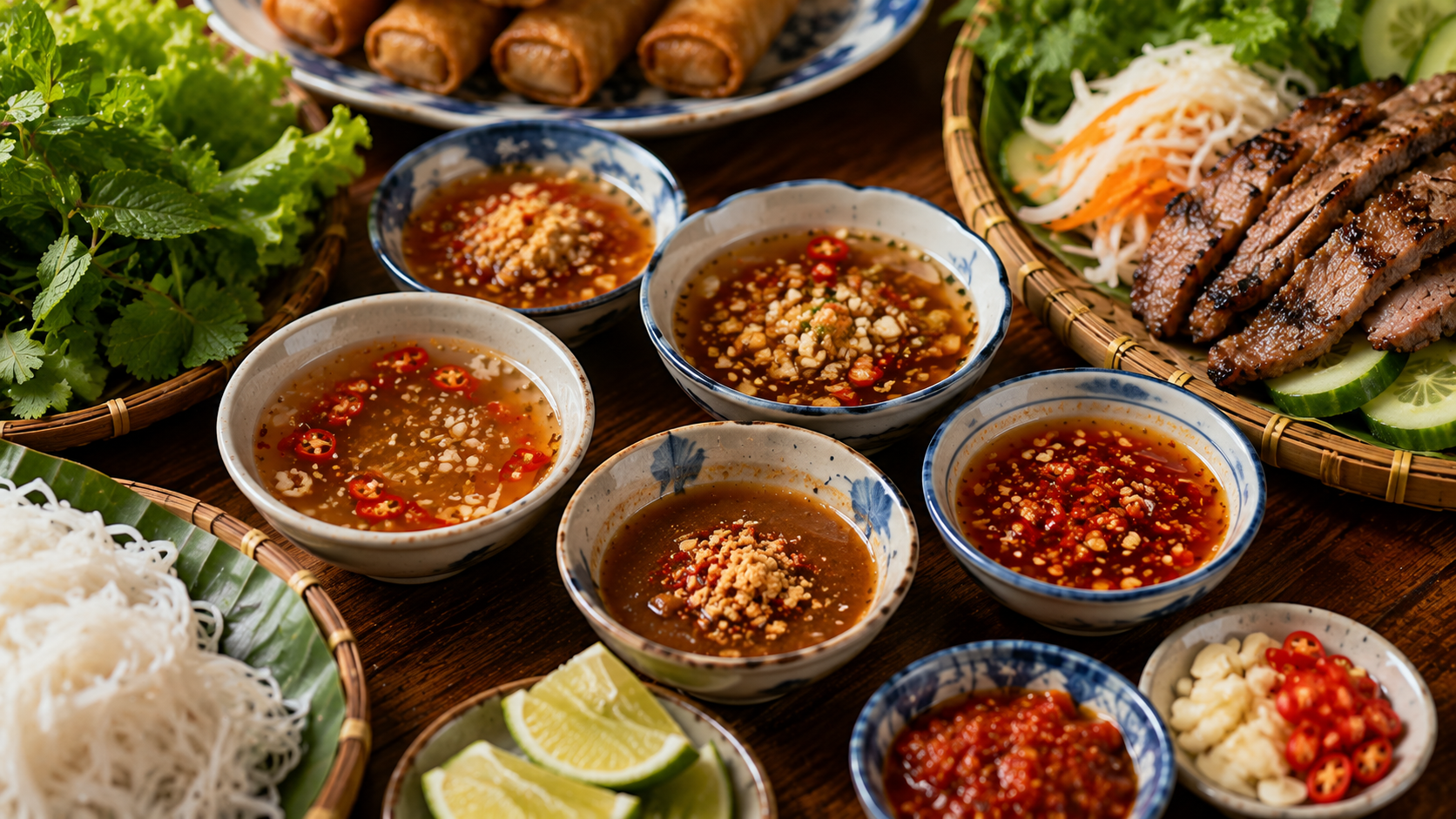
If you have food allergies or a strict diet, ask what the dip contains. A vegetable dish’s sauce may contain fish sauce, shellfish or peanuts. Our guide to seven Vietnamese dipping sauces explains common ingredients and food pairings.
6. Holding a Small Rice Bowl Is Normal
In casual Vietnamese meals, it is common to lift a small rice bowl closer to your mouth while eating with chopsticks. It can make eating rice more comfortable and is not automatically regarded as bad manners. You may also see people leave the bowl on the table, especially in a restaurant using plates or different service styles.
Use the approach that feels natural and look at the setting. No one should feel required to lift a large communal serving bowl or soup pot; this observation applies to individual small rice bowls.
7. Offering Food Can Be a Gesture of Hospitality
A host may place a choice piece of food in your bowl, refill your glass or encourage you to eat more. This can be an expression of care rather than a demand that you finish everything. Vietnam Tourism describes offering food and keeping guests’ glasses full as familiar forms of hospitality.
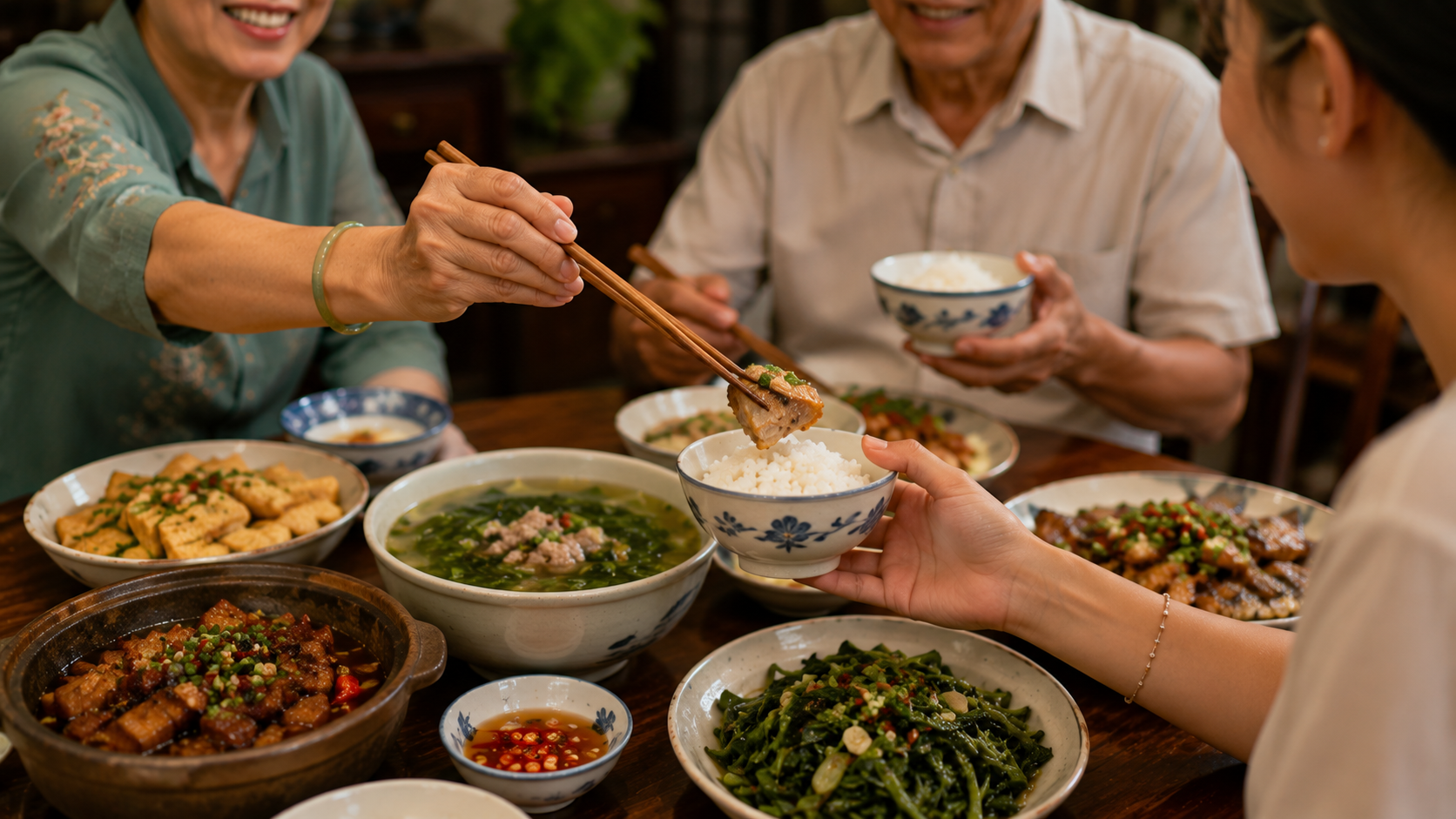
A smile and “Cảm ơn” (“Thank you”) are good responses. If you’re full, you can say “Cảm ơn, tôi no rồi” (“Thank you, I’m full”). If you cannot eat a particular item because of an allergy, religious requirement or personal boundary, explain that kindly rather than feeling pressured to accept it.
8. Joining a Toast Does Not Require Alcohol
At some social dinners, you may hear the familiar call “Một, hai, ba, dô!”, roughly “One, two, three, cheers!” People may raise glasses more than once over a long meal. This is more likely in a celebratory gathering than at an everyday family breakfast.
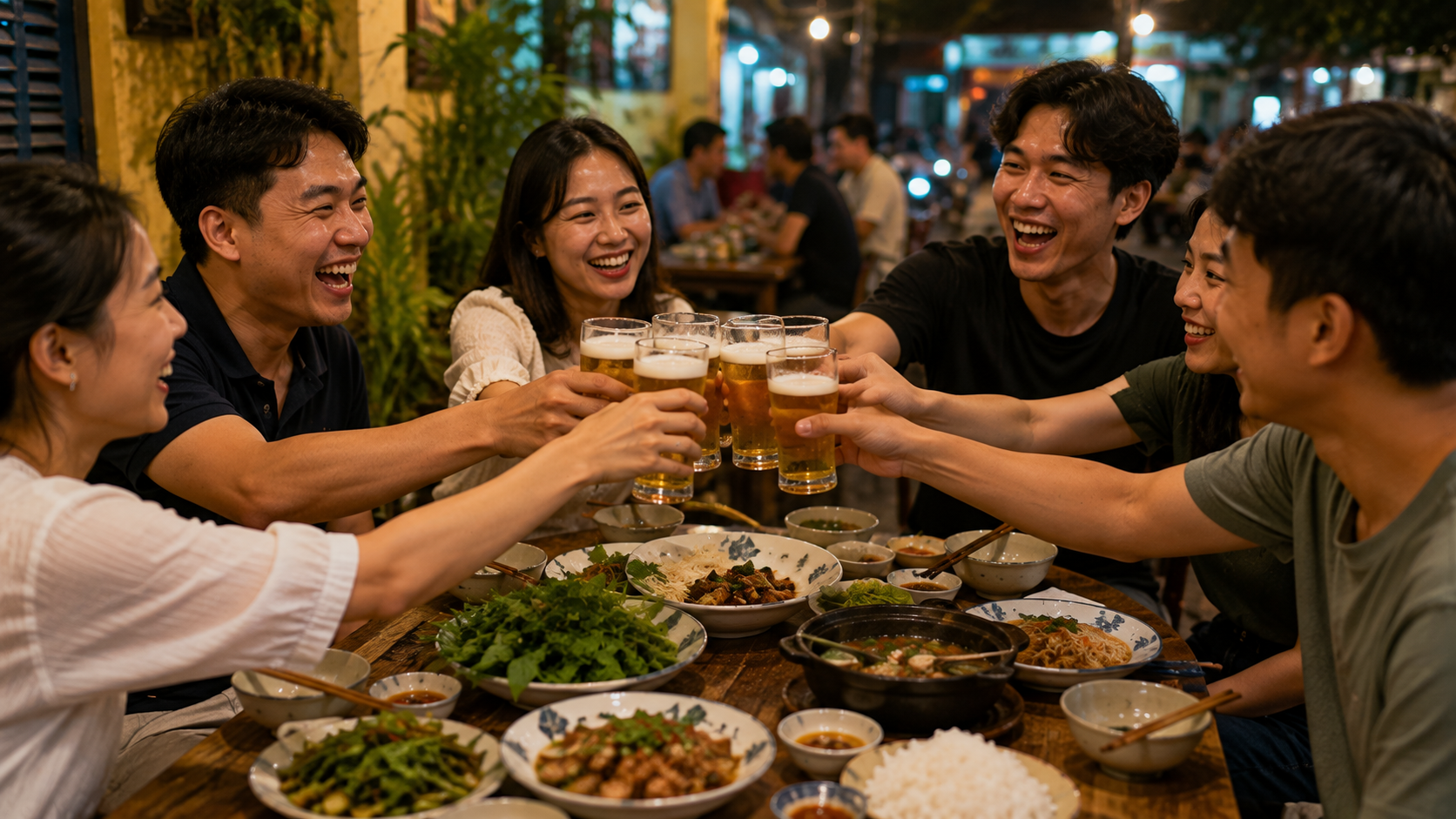
You can join with water, juice or another nonalcoholic drink, or politely decline if you prefer. Avoid assuming that accepting a toast means you must drink beer or spirits. The official etiquette guide describes the common “dô!” toast but does not require visitors to drink alcohol.
9. Call Restaurant Staff With the Right Level of Courtesy
At a busy local restaurant, it is normal to call a server rather than waiting for someone to check on every table. What matters is a friendly, respectful tone. You may hear “Em ơi!” used for a younger person, “Anh ơi!” for a man who is older than you, or “Chị ơi!” for an older woman. Vietnamese pronouns depend on age and social relationship, so none of these phrases is appropriate for everyone.
If you’re unsure, “Bạn ơi!” or a smile and raised hand can be useful, depending on the setting. Do not yell angrily, snap your fingers at people or assume every server should be addressed as em. Vietnam Tourism’s etiquette guide explains these different forms of address.
10. Shared Dishes Might Arrive at Different Times
In some casual kitchens, items are delivered as they finish cooking, so vegetables, grilled meat and soup may not reach the table simultaneously. Diners at a shared meal may begin with what has already arrived. This is an observation about certain service styles—not a guarantee that all Vietnamese restaurants work the same way.
If you prefer to wait until everyone is served, ask your host or the staff. At an individually ordered meal, formal banquet or course-based restaurant, the expected timing may differ. If a dish seems missing, a polite check is fine.
11. Know Who Is Paying—and Remember Tipping Is Optional
When someone invites you to a family or social meal, the person who invited the group may offer to pay; at other gatherings people may split the bill. Age, closeness, workplace norms and the situation all matter. Rather than insist on one rule, clarify the arrangement beforehand if it matters or offer to contribute politely.
In ordinary restaurants and cafés, tipping is generally not obligatory in Vietnam. Some guests leave a voluntary tip for exceptional service, while tourist-oriented venues may have different expectations. Always check whether a service charge is already included. Vietnam Tourism’s payments guide and etiquette guide both explain that restaurant tipping is optional.
You can ask for the bill with “Cho tôi xin hóa đơn” (“May I have the bill?”) or “Tính tiền giúp tôi” (“Please total the bill”). At some street-food stalls the total is paid to the vendor after eating; Vietnam Tourism’s street-food guide describes this pattern, though payment arrangements vary.
12. When in Doubt, Follow Your Host
A relaxed meal with colleagues in Da Nang, a formal dinner in Hanoi and a quick lunch in Ho Chi Minh City can all have different rhythms. Family preferences, age and restaurant style matter more than any supposed national checklist. Observe the people you are dining with, ask when uncertain and stay considerate of everyone at the table.
The goal is not to perform every custom perfectly. It is to share the meal pleasantly, respect the people present and communicate clearly if a dish, drink or shared utensil does not suit you.
Useful Vietnamese Dining Phrases
| Vietnamese | English | When to use it |
|---|---|---|
| Mời mọi người ăn cơm. | Please, everyone, enjoy the meal. | Inviting people to start, especially at a family table |
| Cảm ơn. | Thank you. | When someone serves or offers food |
| Cảm ơn, tôi no rồi. | Thank you, I’m full. | Politely declining another serving |
| Cho tôi xin một đôi đũa sạch. | May I have a clean pair of chopsticks? | Requesting utensils |
| Cho tôi xin muỗng nhé. | May I have a spoon, please? | When you prefer not to use chopsticks |
| Món này có đậu phộng không? | Does this dish contain peanuts? | Checking an ingredient |
| Không uống rượu, cảm ơn. | No alcohol, thank you. | Declining alcohol |
| Cho tôi xin hóa đơn. | May I have the bill? | At a restaurant |
| Tính tiền giúp tôi. | Please total the bill. | At a casual eatery |
| Anh ơi / Chị ơi / Em ơi. | Polite attention-getters based on relative age. | Calling a server, depending on context |
If you would like more ordering vocabulary, see How to Order Food Like a Local in Vietnam. For when to visit different eateries, see our Vietnamese mealtimes guide.
Frequently Asked Questions
Is it disrespectful to stick chopsticks upright in rice?
Yes, it is generally avoided because the position resembles incense sticks associated with ancestor and funeral rituals. Rest chopsticks neatly beside the bowl or on a holder instead.
Should I wait for elders before starting to eat?
At some family meals, yes: greeting older diners and waiting for a cue is considerate. This does not apply as a universal rule to all Vietnamese restaurants or groups of friends.
Do Vietnamese people always share food?
Not always. Family-style shared dishes are common, but individual servings of phở, bún and other one-bowl meals are just as familiar. Follow the meal format at the place you are visiting.
Is tipping expected at Vietnamese restaurants?
Usually not required. Tips are voluntary and may be more familiar in certain tourist-facing or higher-end establishments. Check the bill for a service charge before deciding.
Can I refuse alcohol or food offered by my host?
Yes. A warm thank-you and a brief explanation are appropriate. Dietary restrictions, allergies and personal preferences deserve respect, and you can toast with a nonalcoholic drink.
What is a polite way to get a server’s attention?
Speak in a friendly tone and use a form of address suited to the person’s age, such as anh ơi, chị ơi or em ơi. If unsure, a smile and raised hand also work in many settings.
Final Thoughts
Vietnamese dining etiquette can be simple once you understand the underlying idea: sharing food respectfully matters more than rigid formality. Offer others a chance to take their portion, handle chopsticks and communal sauces thoughtfully, thank your host and ask questions when you are unsure. This approach works at far more tables than trying to memorize a perfect script.
Sources and Editorial Note
- Vietnam Tourism — Vietnamese Etiquette for Travellers: shared meals, hosting, address forms, toasts and tipping.
- Vietnam Tourism — How to Travel Responsibly in Vietnam: family-style meals, chopsticks and passing food.
- Vietnam Tourism — What Are the Vietnamese Like?: respect for elders and family culture.
- Vietnam Tourism — A Beginner’s Guide to Vietnamese Street Food: casual stall behavior and paying after a meal.
- Vietnam Tourism — Currency and Payments in Vietnam: restaurant tipping practices.
Editorial note (October 2026): These are common customs and useful visitor suggestions, not binding rules followed by every Vietnamese person. Households, individual restaurants, generations and regions differ. Images are illustrative and do not represent documented events at a particular household or restaurant.