Vietnamese Cinnamon: What Makes Saigon Cinnamon Special
When people think of Vietnam, food is usually one of the first things that comes to mind.
Pho, banh mi, fresh spring rolls, and Vietnamese coffee are famous around the world. Millions of visitors travel here every year hoping to experience these iconic dishes for themselves.
Yet behind every memorable meal are ingredients that many travelers never notice.
One of the most interesting is Vietnamese cinnamon.
Unlike coffee or fish sauce, cinnamon isn’t something most people expect to discover while traveling in Vietnam. It rarely appears on travel itineraries or souvenir lists, but it quietly shapes many of the flavors that make Vietnamese cuisine so memorable.
Before moving to Vietnam, I thought cinnamon belonged mainly in desserts. In Korea, I usually associated it with sweet pastries, cinnamon powder on toast, or traditional drinks served during the winter. I never imagined it could become an important ingredient in savory dishes.
Living in Vietnam completely changed that idea.
Here, cinnamon isn’t used to make food sweeter. Instead, it adds warmth, depth, and balance. It supports other ingredients rather than competing with them, helping create the rich flavors that Vietnamese food is known for.
The more I explored local markets and traditional restaurants, the more often I noticed its unmistakable aroma.
Eventually, I realized that Vietnamese cinnamon deserves just as much attention as Vietnamese coffee.
My First Encounter with Vietnamese Cinnamon
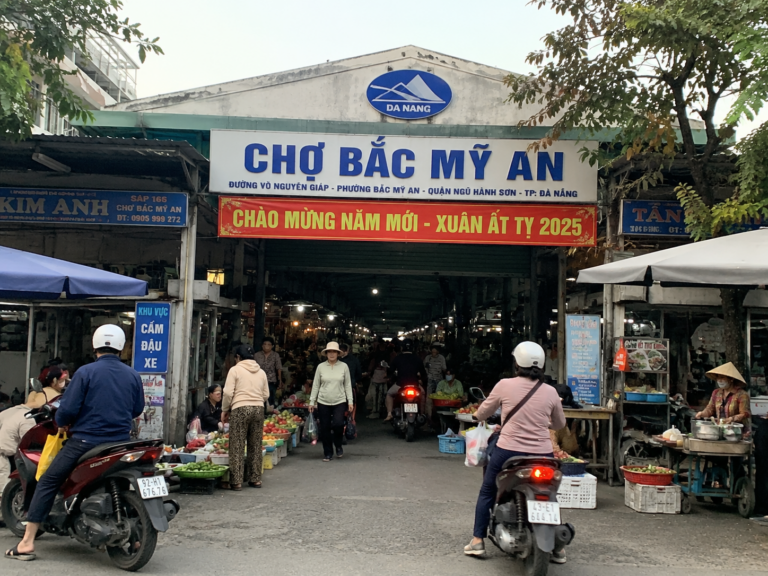
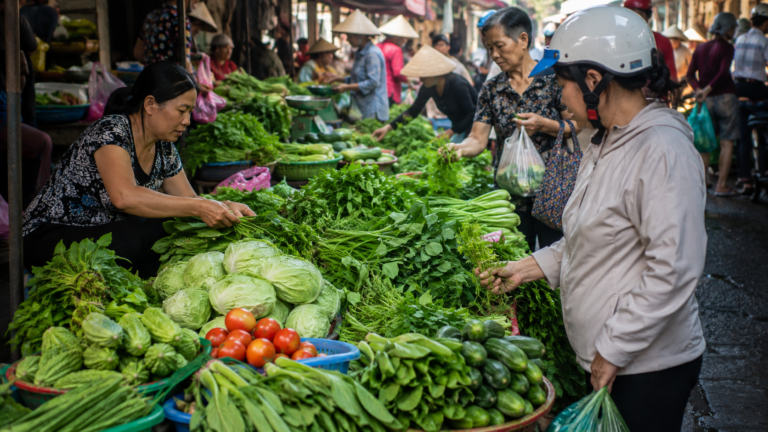
One morning, I decided to walk through a traditional market in Da Nang.
I wasn’t searching for cinnamon.
In fact, I wasn’t searching for anything specific at all.
Like many local markets, it was already full of activity. Vendors greeted regular customers with friendly smiles while others arranged fresh vegetables, herbs, seafood, and fruit on wooden tables. Every corner offered something new to look at.
As I wandered deeper into the market, another scent slowly became noticeable.
The aroma was warm, naturally sweet, and slightly woody.
Unlike the smell of fresh herbs or grilled meat, this aroma felt calm and comforting.
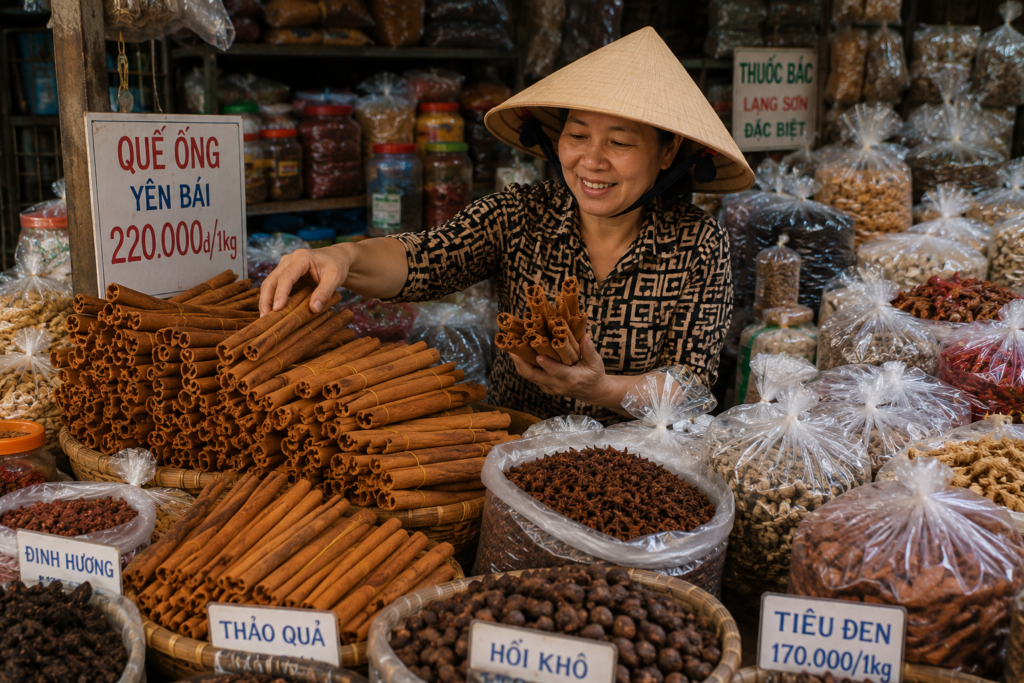
I followed it until I reached a small spice stall.
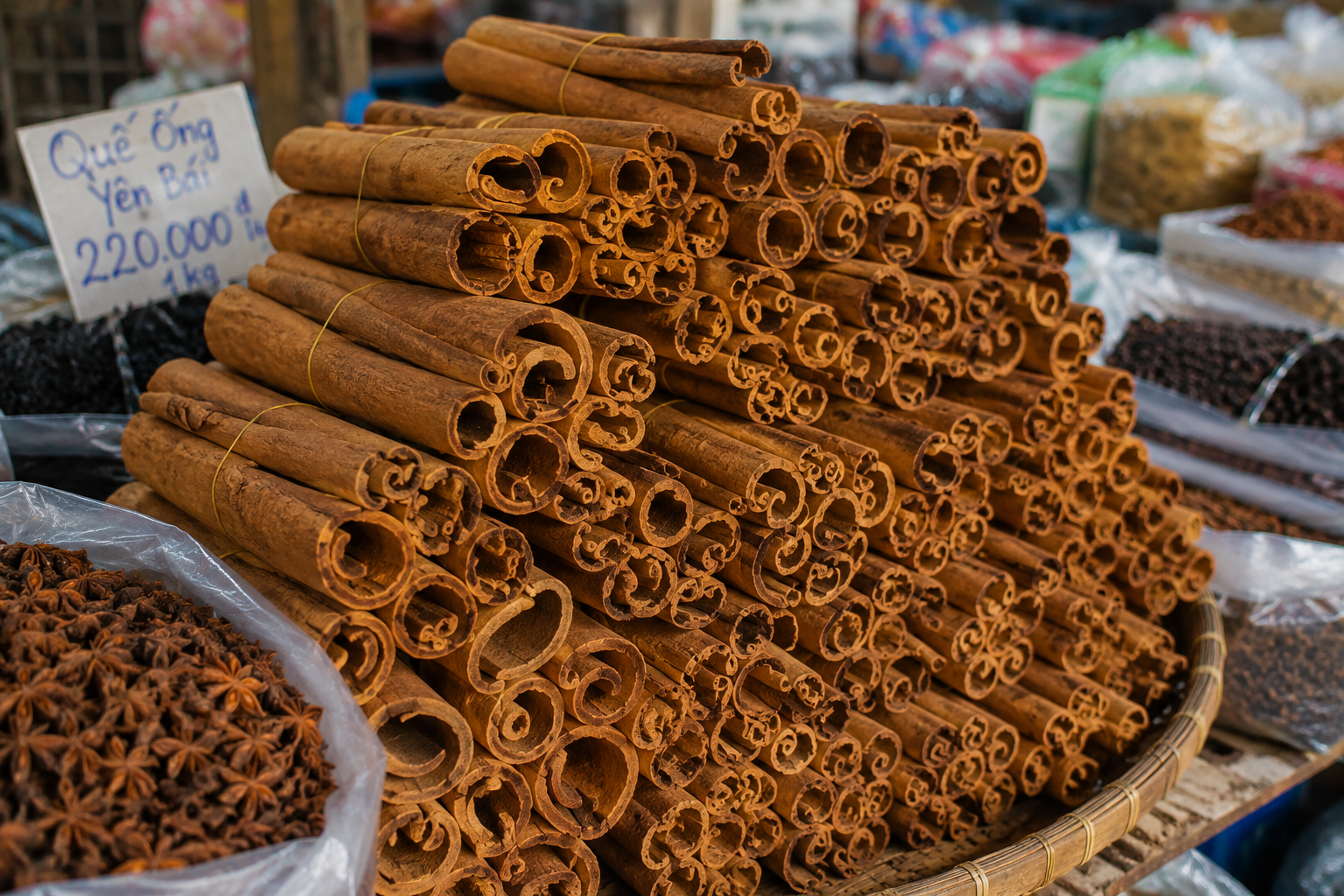
There, bundles of cinnamon bark were stacked beside star anise, cloves, dried chili peppers, black pepper, and other traditional spices.
Some pieces were tightly rolled into neat tubes.
Others were thick strips of bark with beautiful natural patterns.
The vendor noticed me smelling them and smiled.
Even without saying much, she could tell I was impressed.
I picked up one small bundle, and the fragrance was incredible.
It was stronger than any cinnamon I had ever smelled before.
At that moment, I understood why Vietnamese cinnamon has become famous around the world.
It wasn’t simply another spice.
It felt like an important part of Vietnamese food culture.
Why Vietnamese Cinnamon Is Different
Vietnamese cinnamon, commonly sold internationally as Saigon cinnamon, belongs to the cassia family and is known for its strong, warm aroma.
Many people don’t realize that cinnamon isn’t produced the same way everywhere.
Several different varieties are grown around the world, each with its own aroma and flavor.
Vietnamese cinnamon, often called Saigon cinnamon, is widely recognized as one of the richest and most aromatic varieties available today.
Interestingly, most Vietnamese cinnamon doesn’t actually come from Ho Chi Minh City.
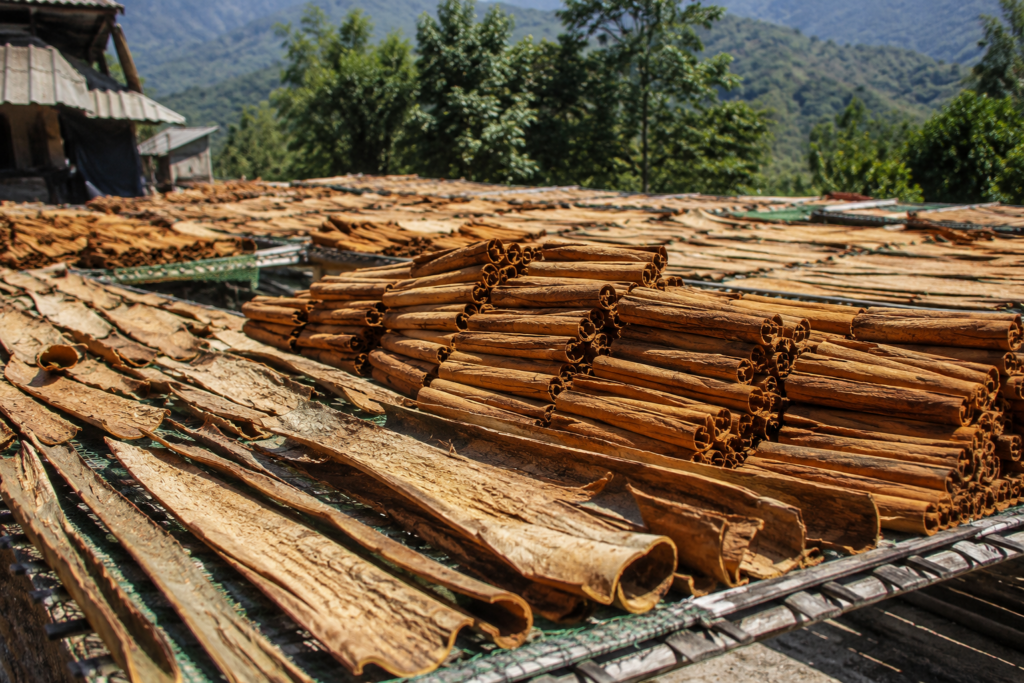
Instead, it grows in mountainous provinces such as Yên Bái, Quảng Nam, and Quảng Ngãi, where the climate provides ideal growing conditions.
Cinnamon trees require patience.
Farmers allow them to mature for years before harvesting the bark.
After harvesting, the bark is carefully cleaned and dried under the sun before naturally curling into the cinnamon sticks found in markets throughout Vietnam.
This slow process is one reason Vietnamese cinnamon develops such a rich aroma.
Another reason is its naturally high concentration of essential oils.
As soon as you open a fresh package, you’ll notice the difference.
The fragrance quickly fills the room.
Because of its strong aroma, Vietnamese cinnamon is usually used in small amounts so it supports the other spices rather than overpowering them.
The Secret Behind a Great Bowl of Pho
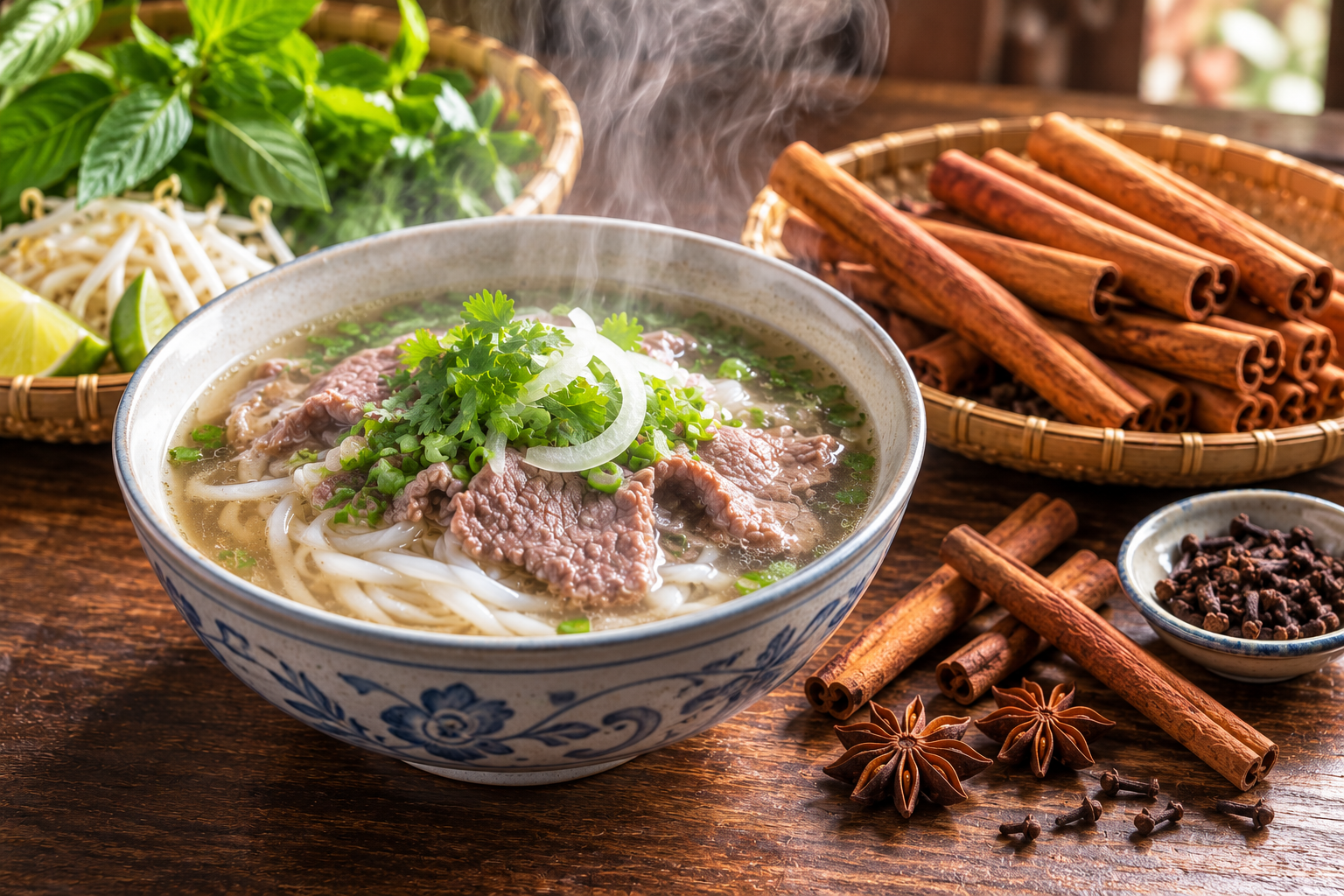
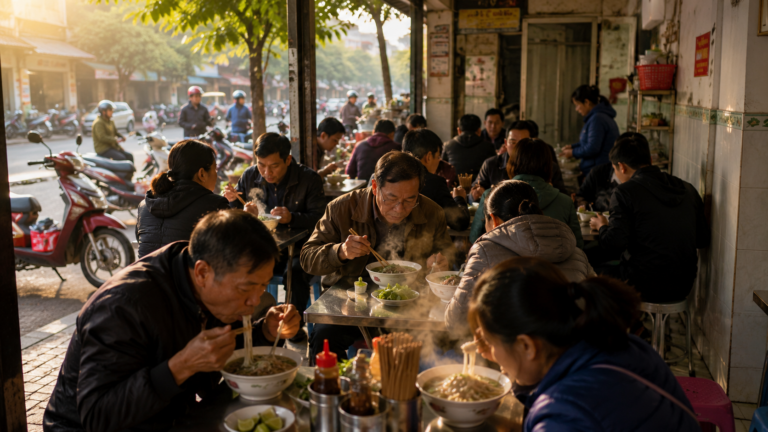
If you’ve ever enjoyed an authentic bowl of Vietnamese pho, you’ve already tasted Vietnamese cinnamon.
You may not have realized it.
Most people focus on the beef, noodles, or fresh herbs served on the side.
However, the broth is where the real magic happens.
If you want to understand how these flavors come together, I’ve also written a guide to why Vietnamese broth tastes so flavorful.
Pho broth isn’t created using beef bones alone.
Its signature flavor comes from carefully balancing several traditional spices together.
Vietnamese cinnamon works alongside star anise, cloves, roasted ginger, roasted onion, and cardamom.
Each ingredient contributes something different.
Cinnamon provides warmth.
Star anise adds gentle sweetness.
Cloves create depth.
Roasted ginger brings freshness.
None of these spices dominate the broth by themselves.
Instead, they work together over many hours of slow cooking until every flavor becomes perfectly balanced.
This balance is one of the reasons Vietnamese cuisine feels so comforting.
It isn’t about one powerful ingredient.
It’s about harmony.
The first time I learned how much attention goes into making a proper bowl of pho, I gained an entirely new appreciation for the role cinnamon plays.
Without it, pho simply wouldn’t taste the same.
Cinnamon Beyond Pho
Although pho is the dish most people associate with Vietnamese cinnamon, that’s only one part of the story.
Spend enough time exploring Vietnamese cuisine, and you’ll notice that cinnamon quietly appears in many other traditional recipes.
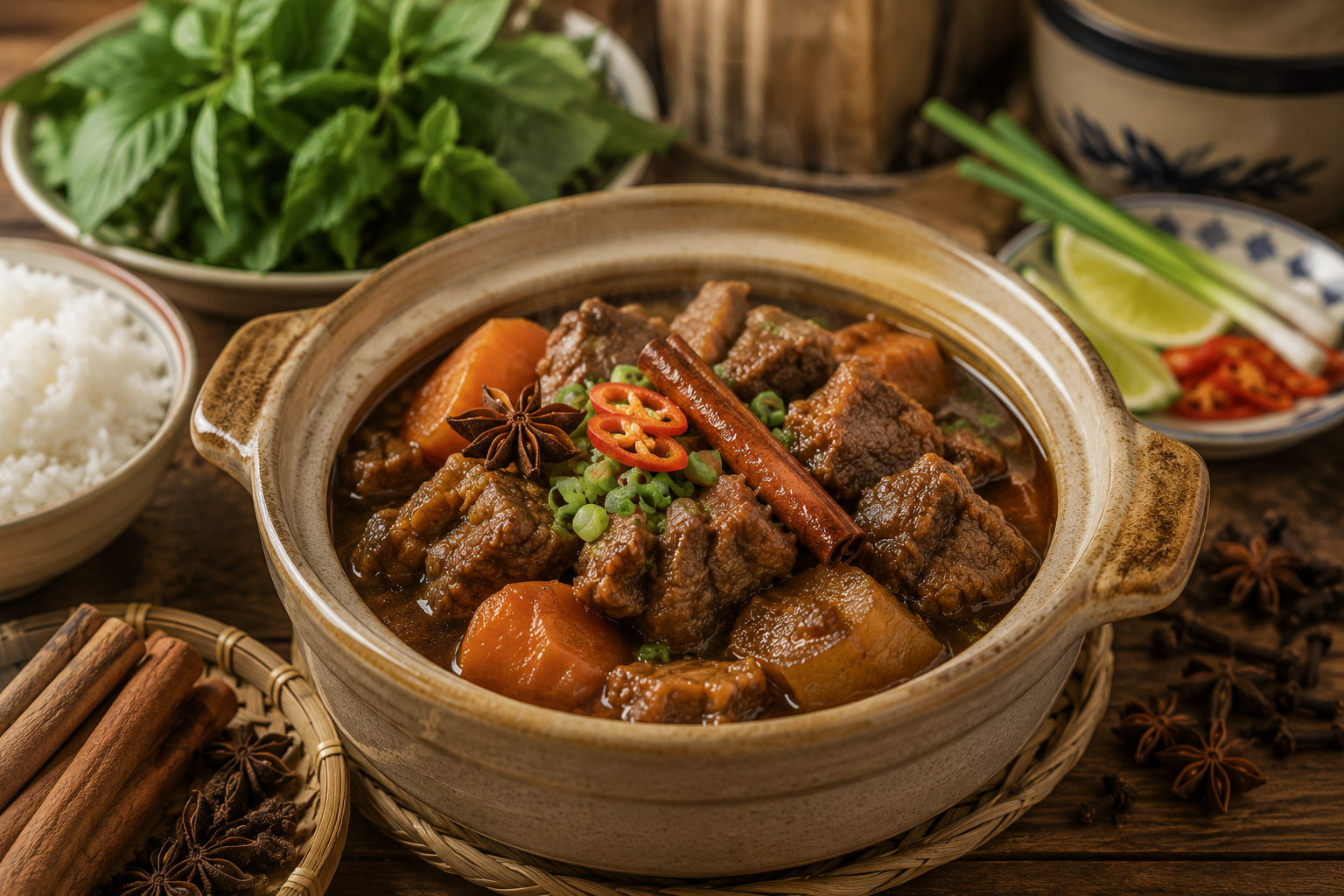
It can be found in slow-braised beef dishes, rich stews, herbal soups, and even certain marinades. In each recipe, its purpose is slightly different.
Sometimes it adds warmth, softens the richness of meat, or helps balance stronger spices without drawing attention to itself.
This is something I really admire about Vietnamese cooking.
Instead of relying on one bold flavor, many dishes are carefully built layer by layer.
Every ingredient has a purpose.
Even when you can’t immediately identify cinnamon, you’ll often notice that something makes the dish feel deeper and more comforting.
That’s usually where cinnamon has done its job.
How Cinnamon Is Used in Vietnamese Home Cooking
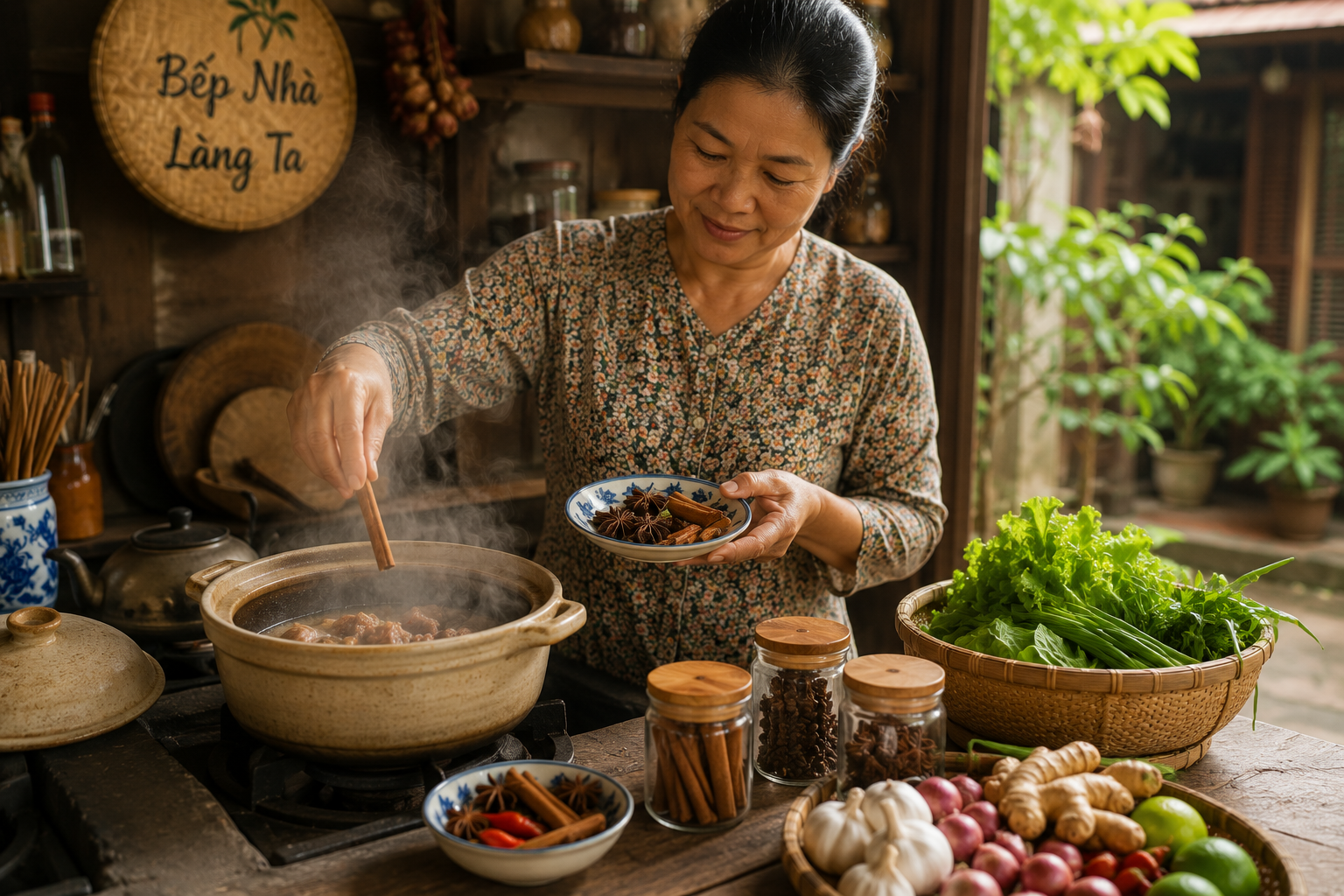
After living in Vietnam, I began noticing that cinnamon is also used in home cooking, especially in slow-simmered soups, braised dishes, and some traditional drinks.
Whole sticks release their aroma slowly while simmering, making them ideal for soups and braised dishes that cook for several hours.
Some families even prepare herbal drinks with cinnamon during cooler weather.
Unlike sweet cinnamon beverages that are common in Western countries, Vietnamese versions usually taste much lighter and are appreciated more for their natural fragrance than their sweetness.
Visiting local markets made me realize that buying cinnamon is an ordinary part of grocery shopping for many Vietnamese people.
It isn’t treated as a luxury ingredient.
It’s simply another essential spice found in everyday cooking.
Buying Vietnamese Cinnamon as a Traveler
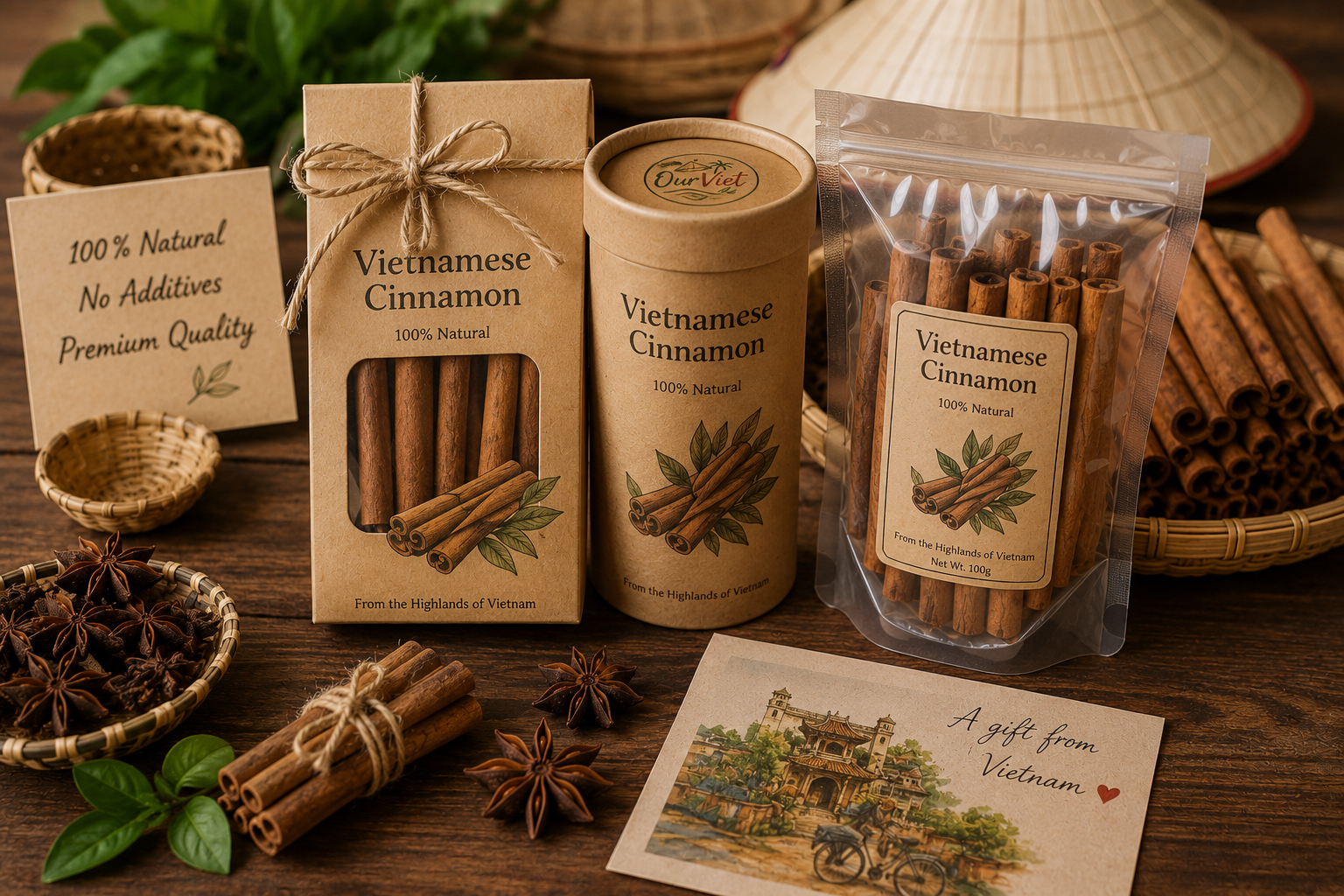
If you’re looking for a meaningful souvenir from Vietnam, cinnamon deserves much more attention than it usually receives.
Most visitors think first of coffee, tea, dried fruit, or snacks, and all of them make good souvenirs.
But cinnamon has several advantages that travelers often overlook.
It’s lightweight, easy to pack, and can stay fresh for a long time when stored properly
Most importantly, it allows you to bring home one of the essential flavors of Vietnamese cooking.
Traditional markets usually offer several different sizes and qualities.
You’ll often find large rolled sticks, smaller broken pieces, and finely ground cinnamon powder.
If possible, I recommend choosing whole cinnamon sticks.
They keep their aroma longer and look beautiful enough to make thoughtful gifts for family or friends.
When buying cinnamon, don’t be afraid to smell it before making a decision.
A fresh bundle should have a naturally sweet, warm fragrance that’s noticeable even before you hold it close.
Look for cinnamon that smells naturally fragrant and feels dry, and avoid packages that show signs of moisture or mold.
A Small Ingredient That Represents Vietnam
Looking back, it’s interesting how something so ordinary became one of the ingredients I now associate most strongly with Vietnam.
When I first arrived, I paid attention to the famous dishes.
Later, I began noticing the ingredients behind those dishes.
That changed the way I experienced Vietnamese food.
Instead of simply asking whether something tasted good, I became curious about why it tasted that way.
The answer often led back to simple ingredients that many travelers never think about.
Cinnamon is one of them.
It’s never the loudest flavor on the table.
It doesn’t attract attention like fresh seafood or grilled meat.
Yet without it, many traditional recipes would lose the warmth and balance that make them so memorable.
Sometimes the most important ingredients are also the quietest.
Final Thoughts
Vietnamese cinnamon may not appear on every travel guide, but it deserves a place on every food lover’s list.
Whether you’re enjoying a bowl of pho, exploring a local market, or looking for a unique souvenir to take home, taking a closer look at Vietnamese cinnamon offers a deeper appreciation of the country’s food culture.
For me, discovering Vietnamese cinnamon completely changed the way I think about spices.
It reminded me that the best parts of traveling aren’t always the famous attractions.
Sometimes they’re hidden inside the everyday ingredients that local people have appreciated for generations.
The next time you visit Vietnam, take a few extra minutes to stop by a traditional market.
If you visit a traditional market, take a moment to smell the cinnamon for yourself—you may be surprised by how strong and distinctive its aroma is.
Frequently Asked Questions
Is Vietnamese cinnamon the same as Saigon cinnamon?
“Saigon cinnamon” is a common international name for Vietnamese cinnamon, especially Cinnamomum loureiroi, a cinnamon species native to Vietnam. In shops and export markets, the terms are often used interchangeably.
Why is Vietnamese cinnamon considered special?
It naturally contains a high concentration of aromatic oils, giving it a sweeter fragrance and a richer flavor than many other cinnamon varieties.
Where can I buy good Vietnamese cinnamon?
Traditional markets are one of the easiest places to compare different sizes and qualities of Vietnamese cinnamon.
Can I bring Vietnamese cinnamon home?
Customs rules vary by destination. Before flying, check your destination country’s official customs or plant-import regulations, especially if you are carrying unpackaged cinnamon bark.
Enjoyed this article?
We’ll continue sharing more local Vietnamese ingredients, traditional foods, and travel tips to help you experience Vietnam like a local.
Explore more stories about Vietnamese food and culture on OurViet.
Thx