7 Vietnamese Dipping Sauces You Need to Try: A Beginner’s Guide
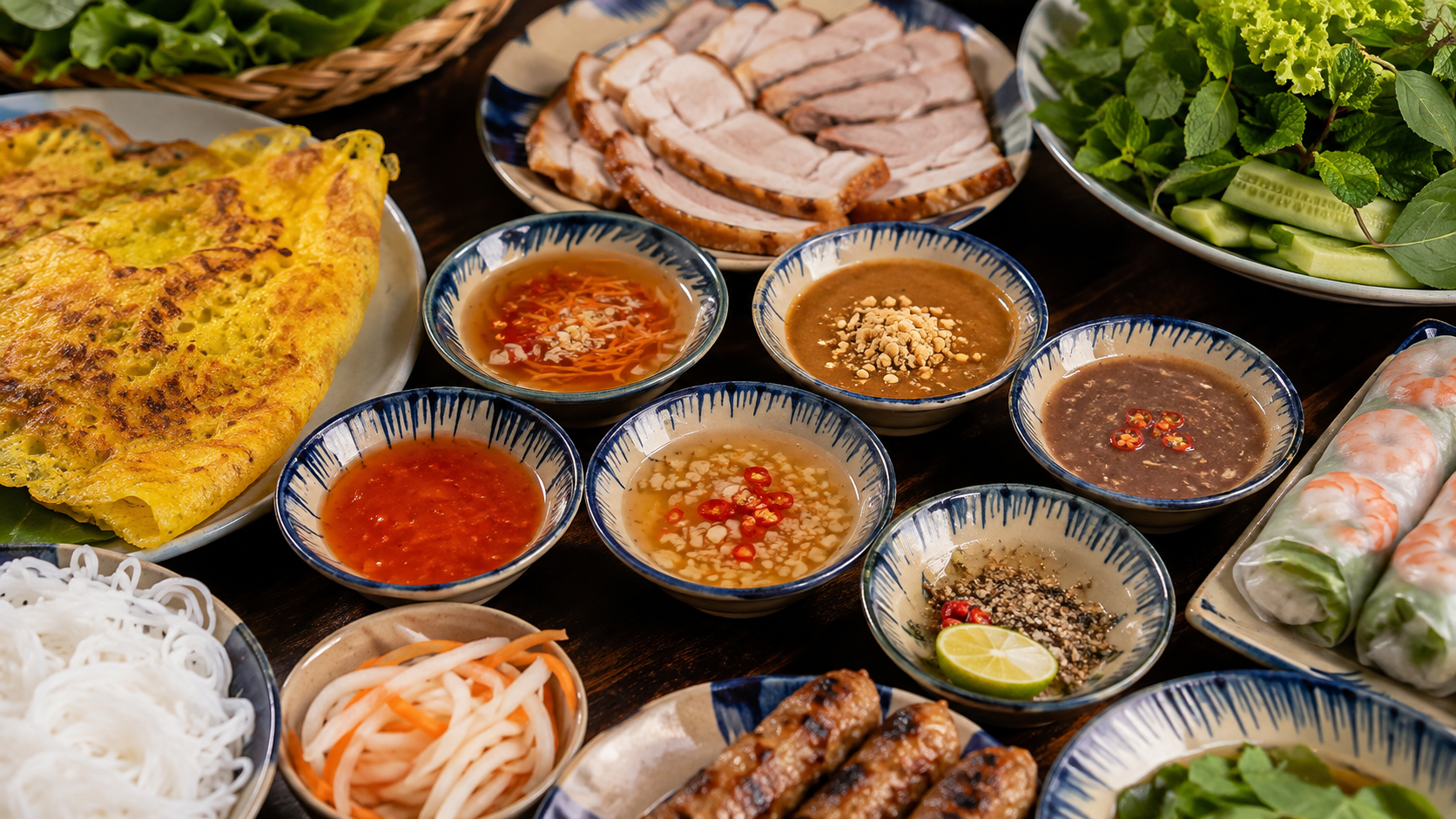
At a Vietnamese restaurant, the small bowl beside your plate can be as important as the main dish. A crispy bánh xèo, a fresh gỏi cuốn roll and a plate of pork wrapped in rice paper may all arrive with very different dipping sauces. Knowing what is in each bowl makes ordering easier and helps you choose flavors you will enjoy.
This guide explains seven Vietnamese dipping sauces and table condiments, what they taste like and the foods they commonly accompany. Not every sauce is a fixed recipe and not every pairing is used in every region. The most important distinction is between nước mắm (fermented fish sauce, an ingredient and condiment) and nước chấm (a broad term for a dipping sauce, often used in English for a prepared fish-sauce dip).
On This Page
- Seven sauces at a glance
- Nước chấm vs. nước mắm
- Mixed fish-sauce dip
- Fermented fish sauce
- Mắm nêm
- Peanut dip
- Ginger fish sauce
- Lime, salt and pepper
- Chili sauce
- Dish pairing guide
- Allergies and safety
- Useful Vietnamese phrases
- Frequently asked questions
- Sources
Seven Vietnamese Dipping Sauces at a Glance
| Vietnamese name | Taste / main ingredients | Good pairing |
|---|---|---|
| Nước chấm / nước mắm pha | Salty, sweet, tart; diluted fish sauce, lime or vinegar, sugar, garlic and chili | Bánh xèo, fried spring rolls, bún chả |
| Nước mắm | Concentrated, salty, savory fermented fish sauce | Seasoning and a base for many dips; sometimes used in small amounts at the table |
| Mắm nêm | Intensely fermented fish, often seasoned with pineapple and chili | Da Nang pork-and-rice-paper rolls |
| Tương đậu phộng | Nutty, thick, savory-sweet peanut or hoisin-based dip | Fresh spring rolls (gỏi cuốn) |
| Nước mắm gừng | Gingery, savory, tangy fish-sauce dip | Boiled chicken, duck or some seafood |
| Muối tiêu chanh | Lime, salt and pepper; tangy and salty | Steamed or grilled seafood and chicken |
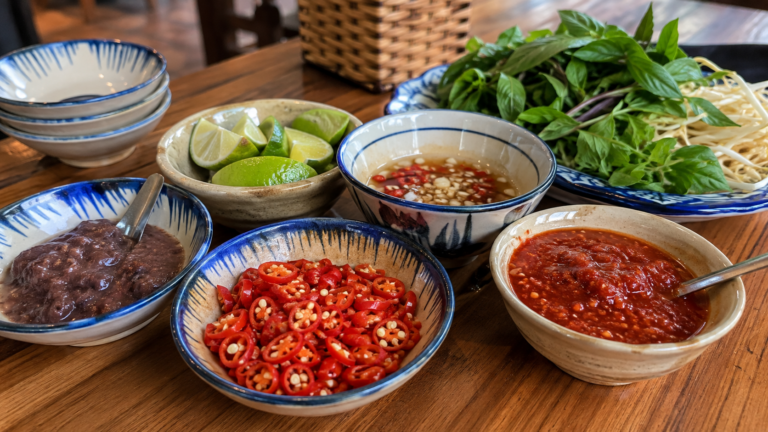
| Tương ớt | Chili condiment, from mildly sweet to hot | Phở, fried foods, grilled foods |
These pairings are examples, not rules. Check the ingredients if you have allergies; fish sauce, fermented fish, peanuts and soy-based condiments can be hidden in a sauce.
What Is the Difference Between Nước Chấm and Nước Mắm?
Nước chấm literally means a sauce for dipping. In everyday conversation it can refer to different sauces. English-language Vietnamese recipes often use the name for a particular mixed fish-sauce dip, also called nước mắm pha or nước mắm chua ngọt, made by balancing fish sauce with water, sugar, lime or vinegar and sometimes garlic and chili.
Nước mắm, by contrast, is the fermented fish sauce itself. It is used in cooking, seasoning and some table dips. Straight fish sauce is much more concentrated than a diluted dipping sauce, so the two should not be poured in the same quantity. Vietnam’s official tourism site describes how fish sauce is mixed with vinegar, water, garlic or other ingredients for different dishes. Read Vietnam Tourism’s fish-sauce guide.
1. Nước Chấm — Sweet, Sour and Savory Dipping Sauce
The familiar fish-sauce-based nước chấm combines salty, sweet and tart flavors; chili may add heat. It is often served with chả giò or nem rán (fried spring rolls), bánh xèo (crispy rice pancakes), noodle dishes and grilled meats. The exact balance varies by household, region and dish.
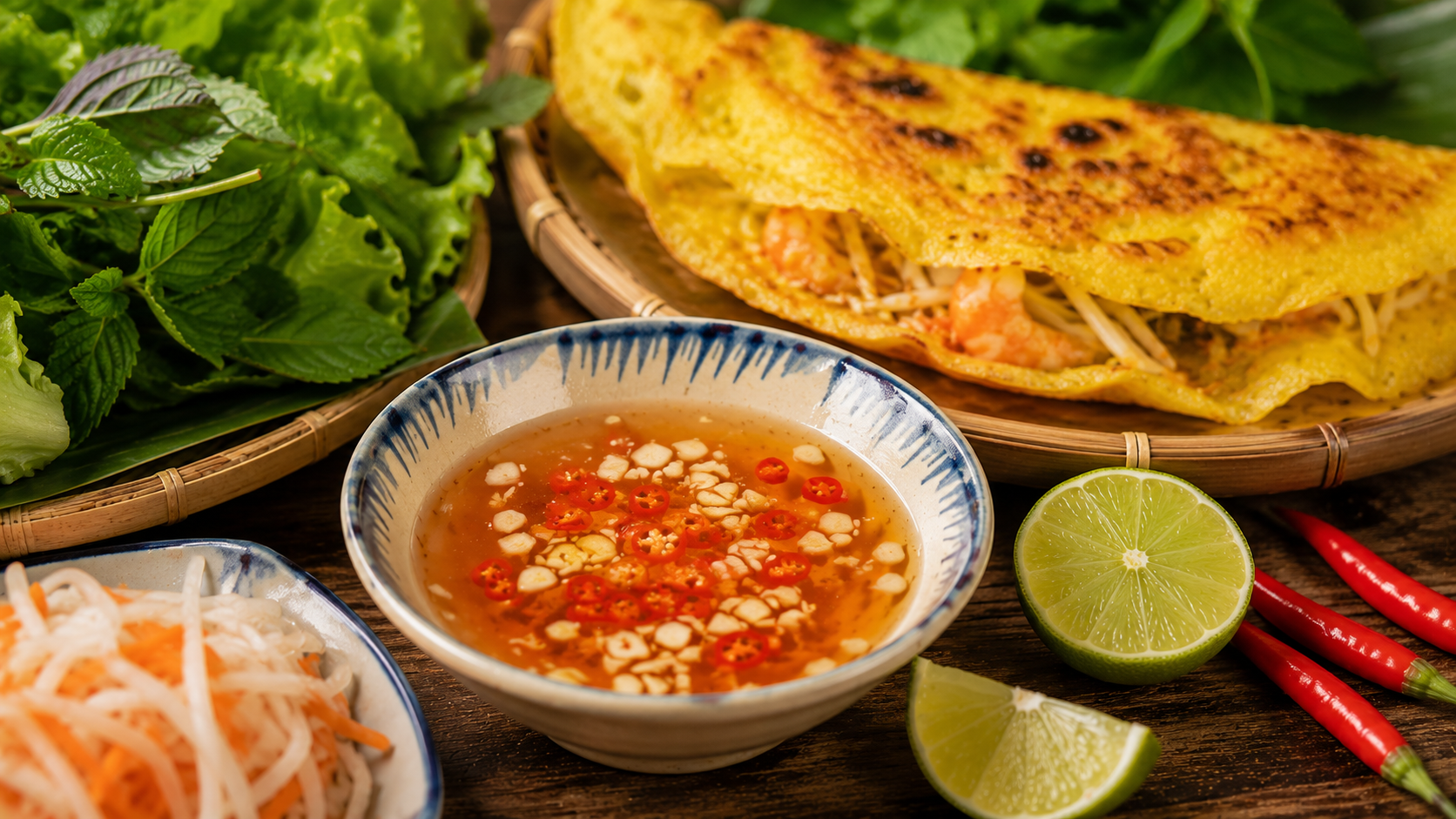
Try it: dip a small bite of bánh xèo with fresh herbs rather than soaking the entire pancake. Bún chả is another good example of a dish in which a diluted fish-sauce mixture is part of the serving. Some sauces already contain chili, so ask for it separately if you prefer a milder taste.
2. Nước Mắm — Fermented Fish Sauce
Fish sauce is made by fermenting fish with salt and is one of Vietnam’s foundational seasonings. Nước mắm can go into marinades, soups, braised foods and sauces. A restaurant may serve a little with sliced chili or use it as the base of a sweeter, more diluted dipping sauce.
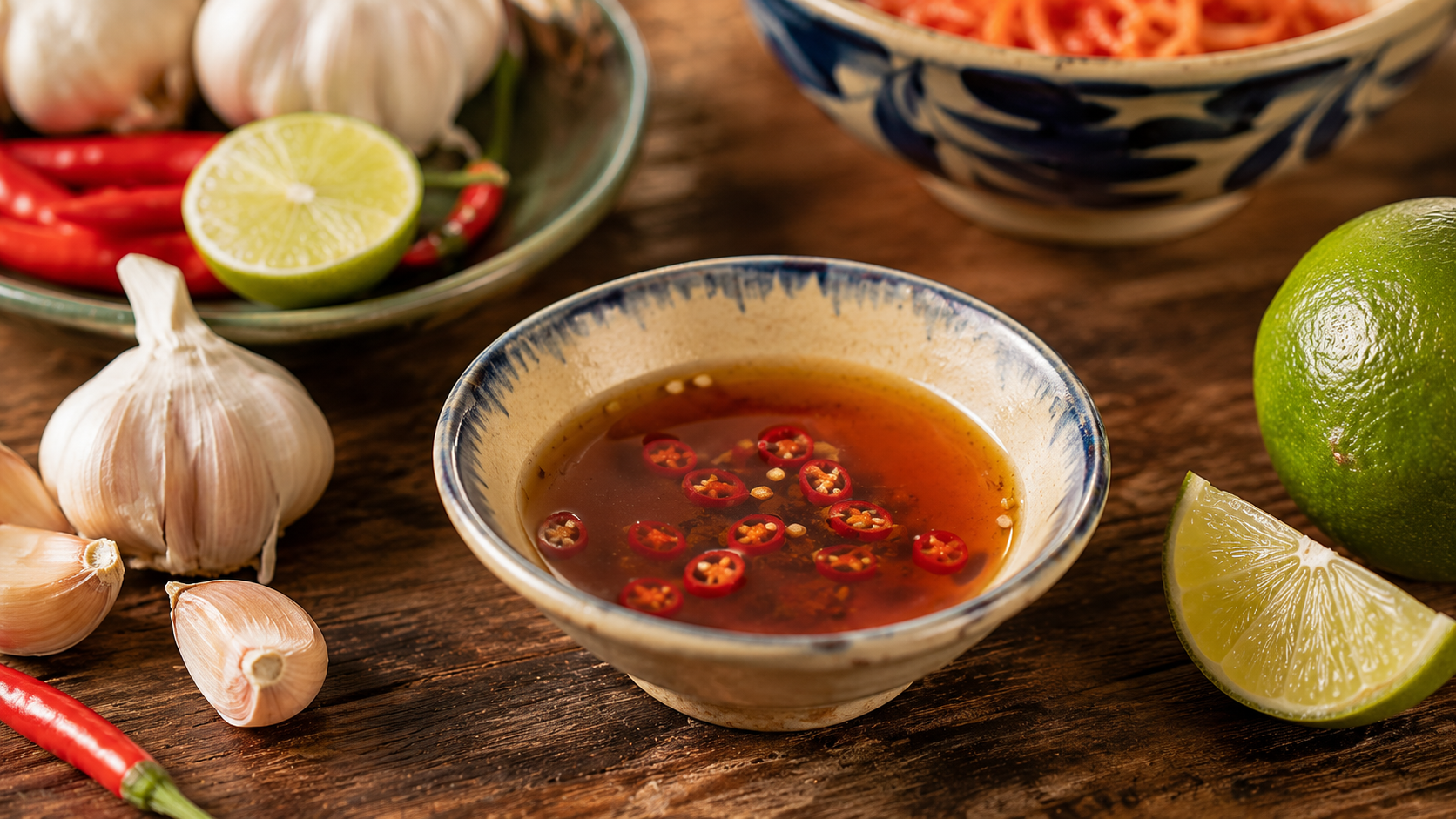
Because it is salty and aromatic, taste it with the food and start with a few drops if offered in its concentrated form. See our detailed Vietnamese fish-sauce guide for more background.
3. Mắm Nêm — Fermented Fish Dip, Especially Famous in Central Vietnam
Mắm nêm is a fermented fish seasoning with a thicker texture and stronger aroma than many diluted fish-sauce dips. Preparations may include pineapple, garlic, lemongrass, sugar and chili. It should not be confused with mắm tôm, a fermented shrimp paste used with different dishes.
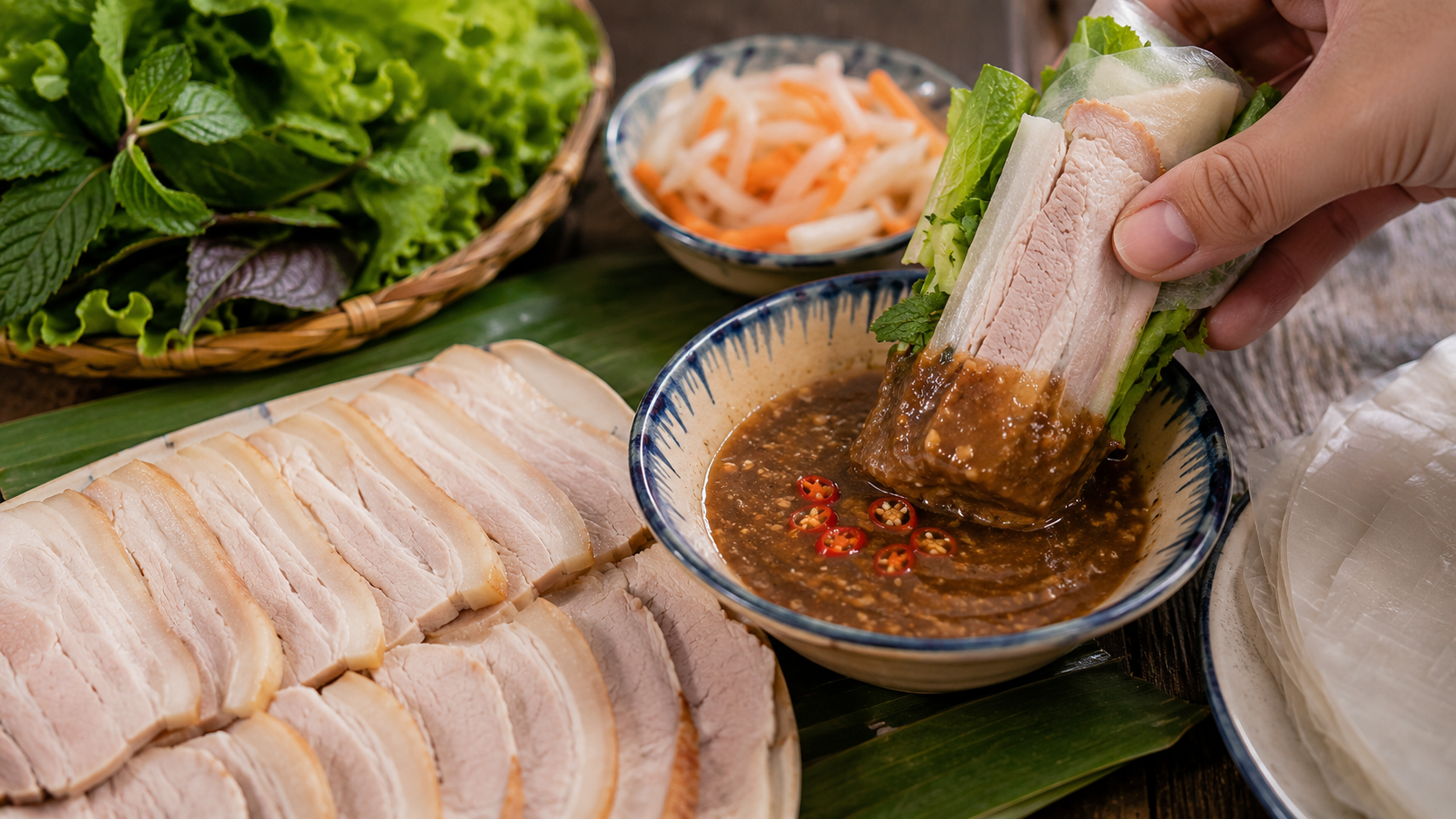
To try it in Da Nang, order bánh tráng cuốn thịt heo: thinly sliced pork, rice paper, vegetables and herbs rolled together and dipped into mắm nêm. Vietnam Tourism’s guide to Da Nang’s pork rolls explains why this particular sauce belongs with the dish.
If fermented flavors are new to you, use a small amount at first. The sauce contains fish even if its color or texture looks unlike a typical bottled fish sauce.
4. Tương Đậu Phộng — Peanut-Based Dip for Fresh Rolls
Many fresh spring-roll dishes are accompanied by a thick sauce involving peanuts, peanut butter, hoisin or fermented soybean paste. Ingredients vary, and not every restaurant uses the same recipe. In some places it is called a peanut sauce; elsewhere the kitchen may use a bean-paste-based dip garnished with crushed peanuts.
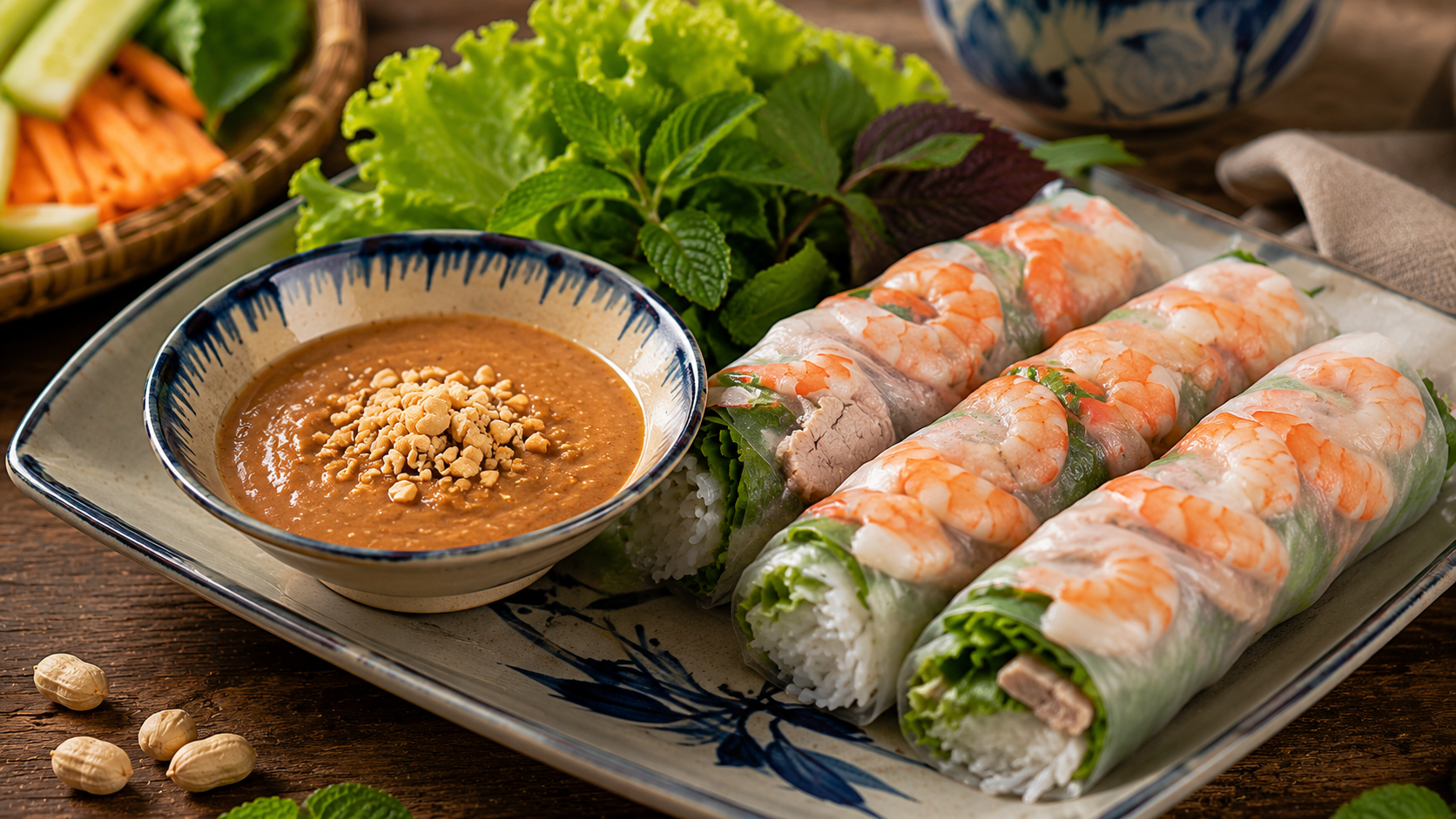
Try it: pair the sauce with gỏi cuốn containing herbs, rice noodles and your choice of fillings. The sauce adds richness and sweetness. In Hoi An, Vietnam Tourism describes a sauce for grilled-pork rolls that may contain soybean paste, peanuts and sesame, showing how regional recipes differ. See the Hoi An food guide.
Allergy note: peanut or soybean-based sauces may also contain wheat (for example in some hoisin sauces), sesame or fish sauce. Do not assume a sauce is vegetarian, vegan or allergen-free based on its name alone.
5. Nước Mắm Gừng — Ginger Fish Sauce
Nước mắm gừng combines fish sauce with grated or crushed ginger and commonly sugar, lime or vinegar, garlic and chili. The fresh ginger adds a sharp fragrance that balances rich meats or seafood.
You may encounter it with boiled chicken, duck or certain fish and shellfish dishes, depending on the region. Ask the restaurant which dip they recommend rather than assuming every seafood or poultry dish comes with ginger sauce. The menu terminology is also listed in chef and cookbook author Andrea Nguyen’s Vietnamese menu decoder.
6. Muối Tiêu Chanh — Salt, Pepper and Lime
Muối tiêu chanh is a simple mixture of salt, pepper and fresh lime juice, sometimes with chili or other additions. Unlike many fish-sauce dips, it does not normally require fish sauce as a base.
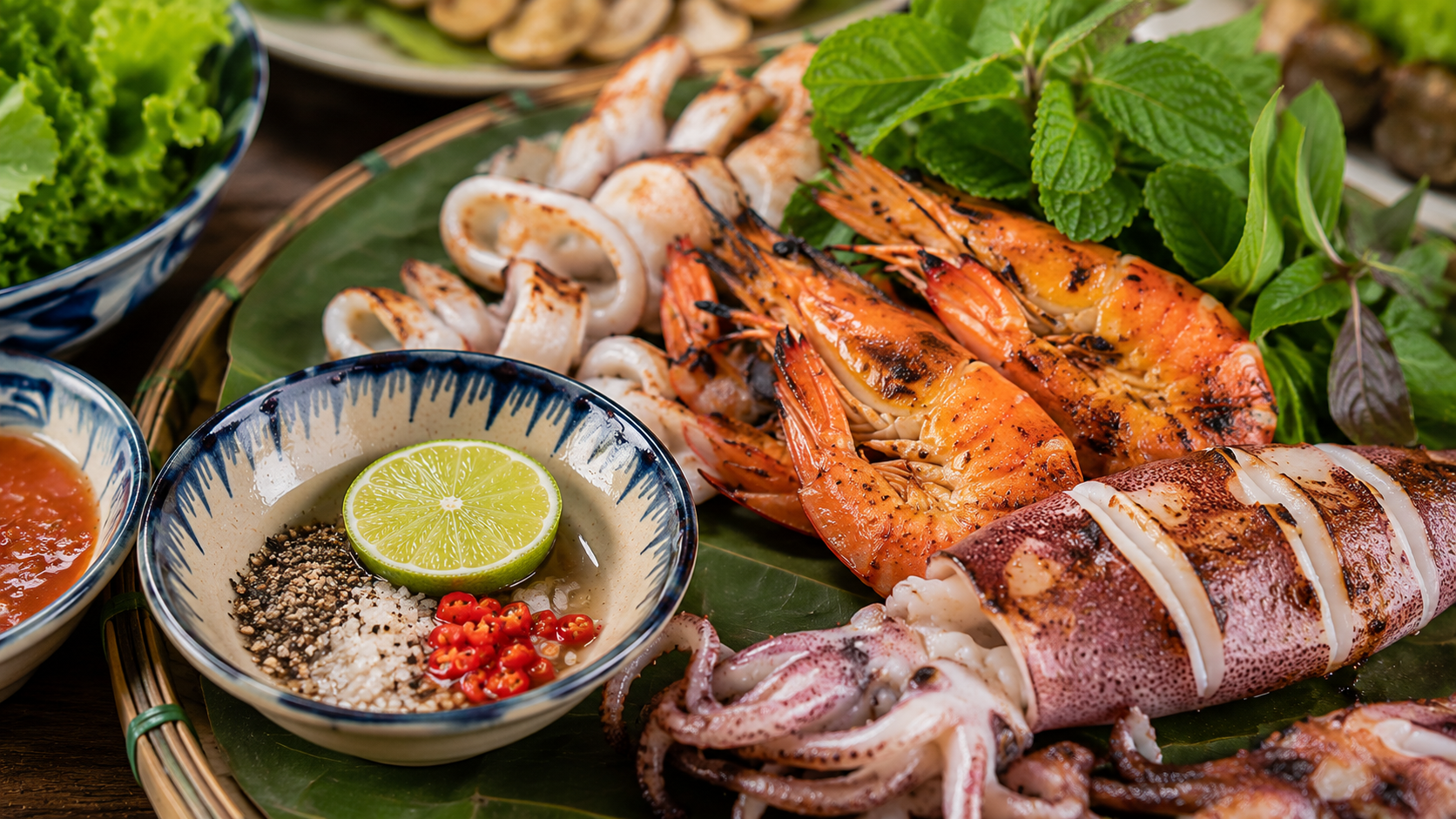
Try a little with fully cooked shrimp, squid or fish. Some Vietnamese seafood restaurants instead serve a green-chili-salt dip or a house-made sauce, so do not expect the same seasoning everywhere.
7. Tương Ớt — Chili Sauce as a Table Condiment
Tương ớt means chili sauce, and its sweetness, acidity and heat depend on the brand or kitchen. This is better understood as a table condiment than a unique traditional dipping recipe. You might see it beside phở, fried snacks or grilled foods.
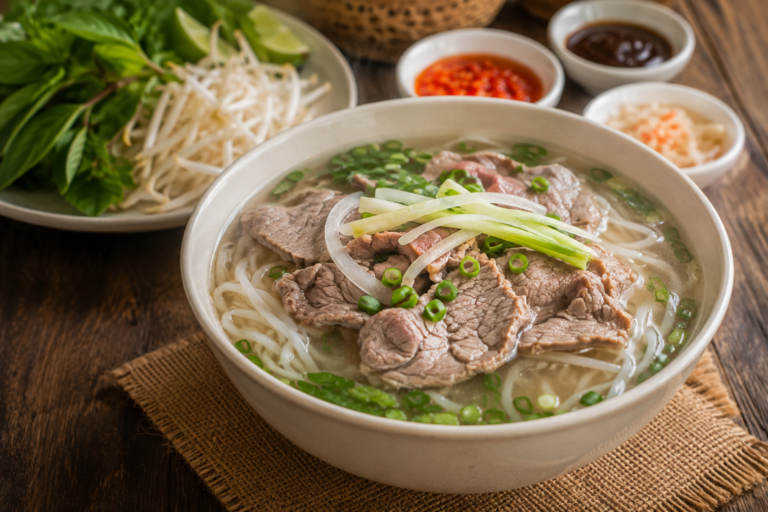
For phở, some diners stir a little into the broth, while others dip a piece of meat into a separate saucer. Preferences differ by person and region. Start with a small amount so you can still taste the dish’s original broth and seasoning.
Which Sauce Goes With Which Vietnamese Dish?
| Dish | Common sauce or condiment | What to remember |
|---|---|---|
| Bánh xèo | Sweet-sour fish-sauce dip | Dip a wrapped bite with herbs; some regional versions differ |
| Fried spring rolls (chả giò / nem rán) | Mixed nước mắm-based nước chấm | Often lighter than straight fish sauce |
| Fresh spring rolls (gỏi cuốn) | Peanut/hoisin-based dip or fish-sauce dip | Confirm nuts, soy and other ingredients |
| Bánh tráng cuốn thịt heo (Da Nang) | Mắm nêm | Fermented fish flavor is strong |
| Bún chả | Diluted fish-sauce dressing and dip | The sauce is integral to the serving |
| Boiled chicken or duck | Ginger fish sauce, sometimes other dips | Ask about the local style |
| Grilled or steamed seafood | Salt-pepper-lime or chili-lime seasoning | Pair with fully cooked seafood |
| Phở | Chili sauce and/or other table condiments | Use as much or as little as you prefer |
Allergies, Dietary Restrictions and Food Safety
Some of the most important ingredients in Vietnamese sauces are easy to miss: fish in nước mắm and mắm nêm; peanuts, soy and possibly wheat in a peanut or hoisin-style dip; and sometimes shellfish in other fermented seasonings. Fish and shellfish are different allergens, so ask about both when relevant.
- Tell staff about food allergies before ordering; ask for the exact ingredients, not just whether a sauce is spicy.
- For vegetarian or vegan meals, confirm that a sauce uses neither fish sauce nor fermented seafood. Some kitchens can offer soy-based alternatives, but cross-contact is possible.
- With a severe allergy, carry a clearly written Vietnamese allergy card and follow your clinician’s emergency plan; a simple phrase cannot guarantee safety.
- Choose reputable dining places and use care with uncooked herbs and produce, raw seafood and sauces held without appropriate refrigeration.
The CDC’s Vietnam travel guidance specifically notes that peanuts, fish and shellfish can be unmarked in foods. Its advice for severely allergic travelers recommends ingredient cards and discussing a restaurant’s ability to accommodate an allergy.
Useful Vietnamese Phrases for Dipping Sauces
| Vietnamese | English |
|---|---|
| Nước chấm này làm từ gì? | What is this dipping sauce made from? |
| Món này dùng nước chấm nào? | Which dipping sauce goes with this dish? |
| Cho tôi nước chấm riêng nhé. | Please serve the dipping sauce separately. |
| Ít cay thôi, làm ơn. | Please make it less spicy. |
| Nước chấm này có nước mắm không? | Does this dipping sauce contain fish sauce? |
| Nước chấm này có đậu phộng không? | Does this dipping sauce contain peanuts? |
| Cho thêm chanh được không? | May I have some more lime? |
| Tôi bị dị ứng với đậu phộng. | I am allergic to peanuts. |
For additional ordering sentences, see How to Order Food Like a Local in Vietnam. When an allergy is serious, verify the message is fully understood before eating.
Frequently Asked Questions
Is nước chấm the same as bottled fish sauce?
No. Nước chấm is a general word for dipping sauce, often used for a prepared sauce made with diluted fish sauce. Nước mắm is the fermented fish sauce itself.
Is mắm nêm the same as mắm tôm?
No. Mắm nêm is usually associated with fermented fish, while mắm tôm is a fermented shrimp paste. Both have strong flavors but are used in different preparations.
Are all Vietnamese dipping sauces spicy?
No. Heat depends on the sauce and recipe. A peanut-based dip or salt-pepper-lime mixture may be mild, while fresh chili can make other dips hot. Ask for less chili if needed.
Which dipping sauce should a beginner try first?
Start with a mild fish-sauce-based nước chấm with bánh xèo or fried spring rolls. If you can eat peanuts, a fresh roll with a peanut-based dip is another approachable choice. Choose based on your dietary needs, not a rigid ranking.
Is peanut dipping sauce always vegetarian?
Not necessarily. It may contain fish sauce, meat stock or other animal-derived seasonings depending on the recipe. Ask the kitchen to confirm every ingredient.
Final Thoughts
The most useful way to discover Vietnamese dipping sauces is to try them with the dishes they were made to accompany. A little sweet-sour nước chấm brightens crispy pancakes; mắm nêm brings fermented depth to Da Nang pork rolls; a peanut-based dip complements fresh herbs and rice paper. There is no need to use every sauce at once—taste a small amount, ask questions and follow your preferences.
Sources and Editorial Note
- Vietnam Tourism — Fish Sauce: Vietnam’s First Love: traditional fish sauce and its use in mixed dipping sauces.
- Vietnam Tourism — Da Nang’s Special Pork Rolls: mắm nêm and bánh tráng cuốn thịt heo.
- Vietnam Tourism — Explore the Food of Hoi An: regional soybean/peanut-based dipping sauce.
- Andrea Nguyen, Viet World Kitchen — Vietnamese Menu Decoder: Vietnamese names of sauces and condiments.
- CDC Yellow Book — Vietnam: dietary and allergen cautions for travelers.
Editorial note (October 2026): The seven entries include prepared dips, fermented seasonings and table condiments; they are not seven mutually exclusive, standardized recipes. Ingredients and serving customs vary by restaurant and region. Images illustrate styles of Vietnamese food and are not evidence of any specific restaurant’s menu.