How Spicy Is Vietnamese Food? A Guide for Travelers
Is Vietnamese food spicy? Some dishes are very mild, others contain chili in the broth or marinade, and many are served with extra chili or hot sauce on the side. This makes it possible to enjoy a wide range of Vietnamese food even when you are sensitive to heat—but there is no single spice level for an entire country.
This guide explains how spicy Vietnamese dishes can be, which foods are commonly served with little chili, why bún bò Huế is different from phở, and exactly how to ask for a mild meal in Vietnamese. The descriptions are practical starting points, not a measured Scoville ranking: recipes differ by region, restaurant and cook.
Quick Answer: Which Vietnamese Foods Tend to Be Spicy?
| Dish | Typical chili heat before extra toppings | What to ask |
|---|---|---|
| Phở bò or phở gà | Often mild, but broth and table sauces vary | No chili in the bowl or broth, please |
| Gỏi cuốn (fresh rolls) | Rolls often mild; dip may be spicy | Serve sauce separately; no chili in the dip |
| Bún chả | Often mild grilled pork; dipping sauce varies | Check whether chili is mixed into the sauce |
| Cơm tấm | Often mild grilled meat; sauce or garnish can be hot | Keep chili sauce on the side |
| Bánh xèo | Pancake often mild; dipping sauce may contain chili | No chili in the dipping sauce |
| Bánh mì | Can be mild or hot depending on filling and chili | Make without fresh chili or chili sauce |
| Mì Quảng | Varies; chili may be offered or included | Check the broth, sauce and chili toppings |
| Bún bò Huế | Often medium to hot; chili can already be in the broth | Ask whether the base can be made without chili |
| Spicy seafood / chili-salt dips | Variable, sometimes very hot | Ask about the marinade and dipping sauce |
These are qualitative expectations, not promises about a particular vendor. The Vietnam Tourism guide to classic Vietnamese dishes describes broad regional seasoning patterns, and its noodle guide explains why bún bò Huế is a chili-forward soup.
On This Page
- Is Vietnamese food generally spicy?
- Why phở is often mild
- Why bún bò Huế can be hot
- Regional differences
- Fresh chilies and chili sauces
- Dipping sauces and hidden heat
- Milder dishes for travelers
- What to try if you like heat
- Vietnamese phrases for less spicy food
- How to check before ordering
- Frequently asked questions
- Sources and editorial note
Is Vietnamese Cuisine Generally Spicy?
Vietnamese cooking includes aromatic broth, herbs, grilled meats, fermented condiments, citrus and chili. Chili heat is one part of this flavor range, not a fixed trait of every Vietnamese dish. Some meals arrive without chili and let diners add it; others rely on a spicy base that cannot be removed after cooking.
Aroma from star anise, ginger, pepper or lemongrass is not the same as the burning sensation caused by chili. A strongly flavored bowl may still be mild. Conversely, a small spoonful of chili paste or an intensely seasoned dip can make an otherwise gentle meal very hot.
The official Vietnam Tourism regional food guide highlights Huế’s fiery cuisine alongside many other food traditions. It is better to judge each dish and its sauce than to compare Vietnam as a whole with one particular foreign cuisine.
Phở: Fragrant Spices Are Not Chili Heat
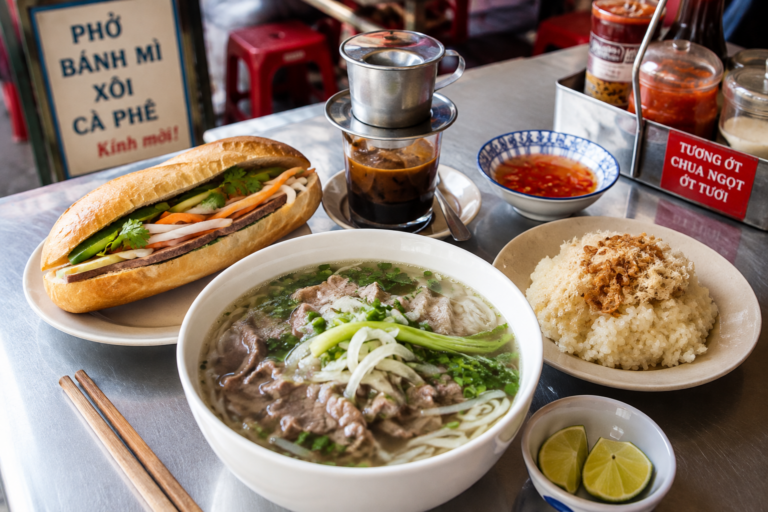
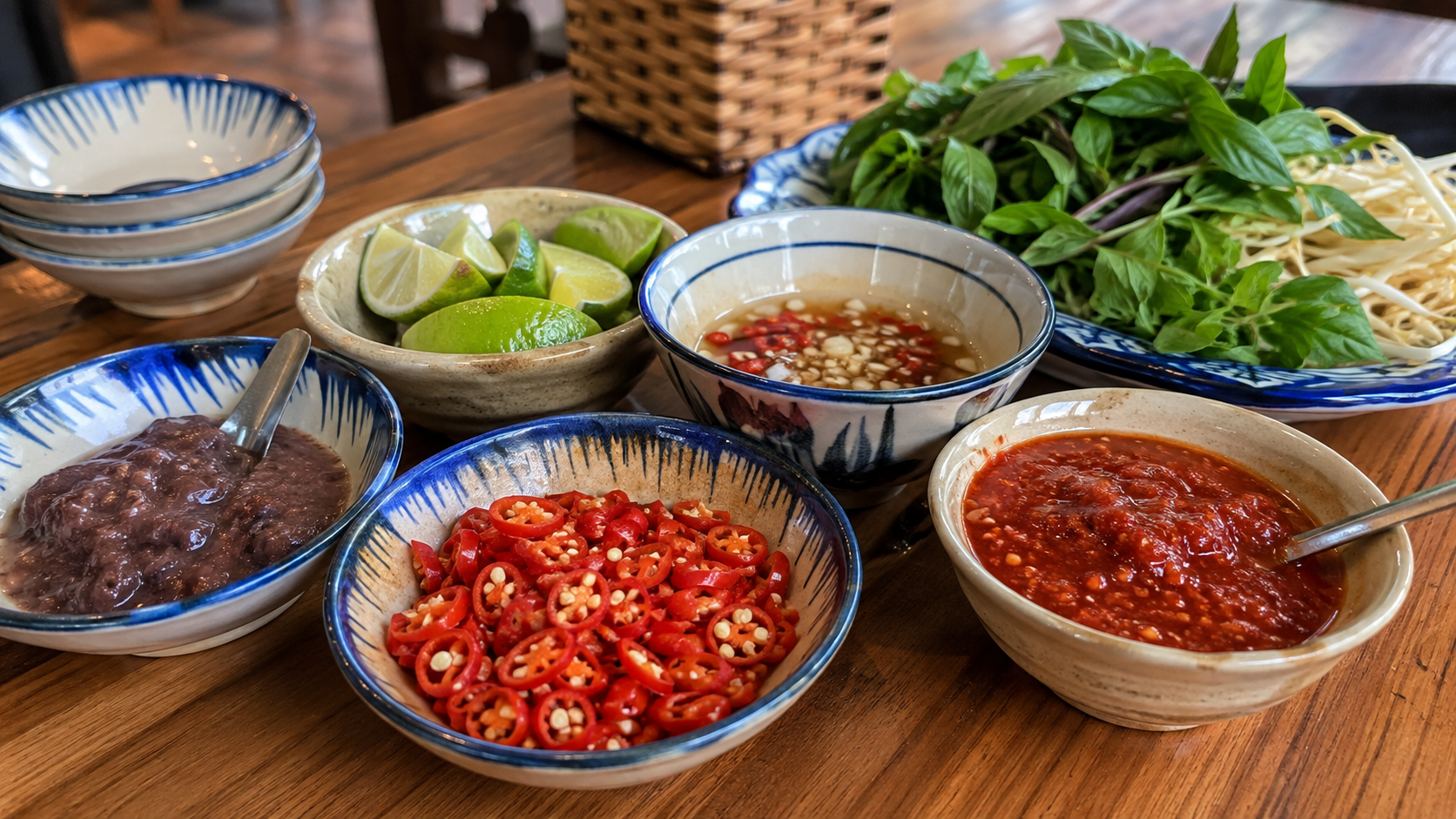
Phở—especially familiar beef and chicken versions—is often served with an aromatic stock made with meat, onion, ginger and warm spices. Typical phở spices such as star anise and cinnamon add fragrance, not necessarily a chili burn. Some shops provide sliced chilies, chili sauce or other condiments for diners to add at the table.
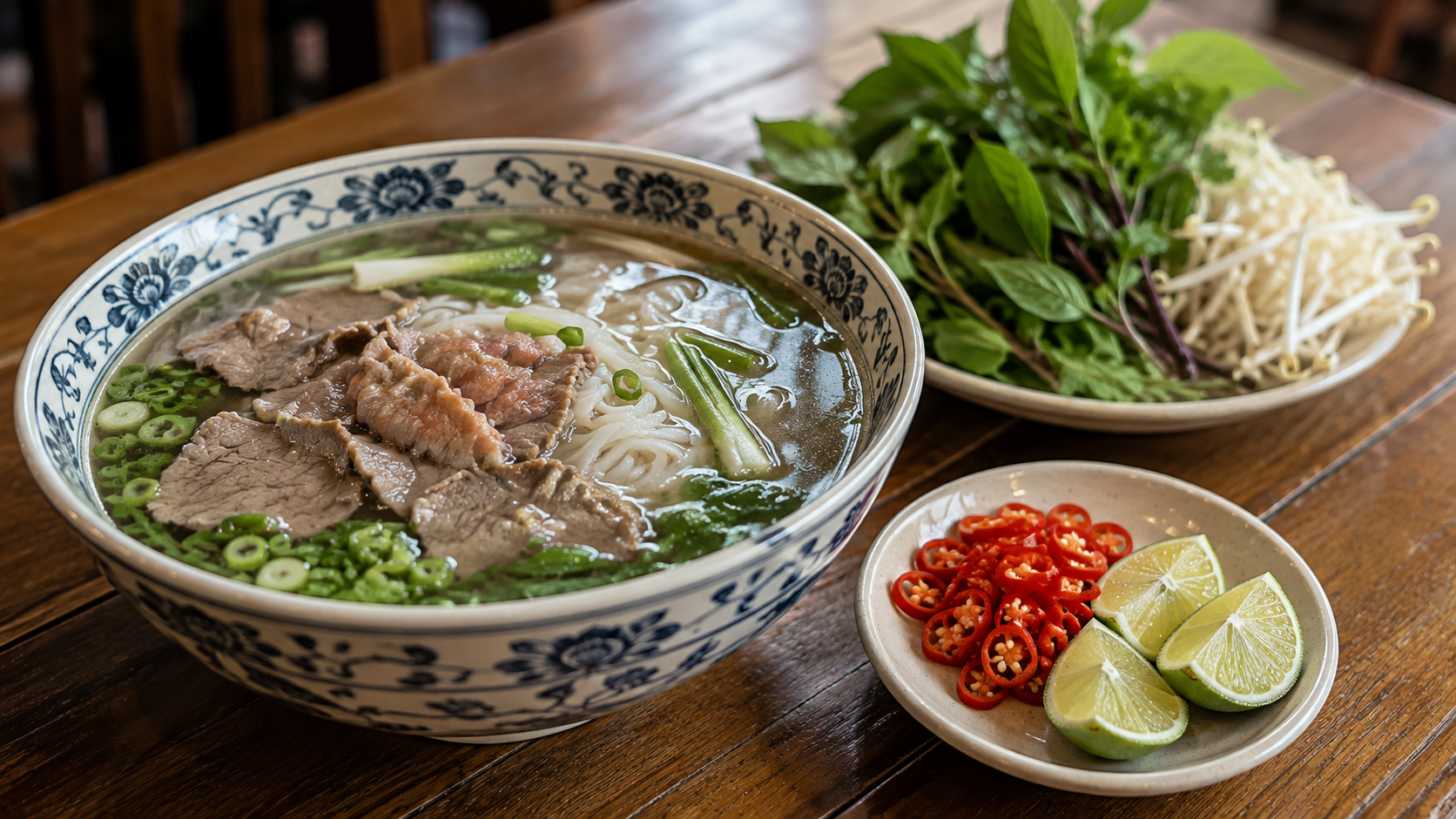
If you prefer mild food, ask for “Không cho ớt vào phở nhé” (“Please don’t put chili in the phở”). Still confirm whether any broth, broth concentrate, accompanying sauce or toppings already contain chili. For more about how Vietnamese stocks differ, see our broth flavor guide.
Bún Bò Huế: Chili May Already Be in the Broth
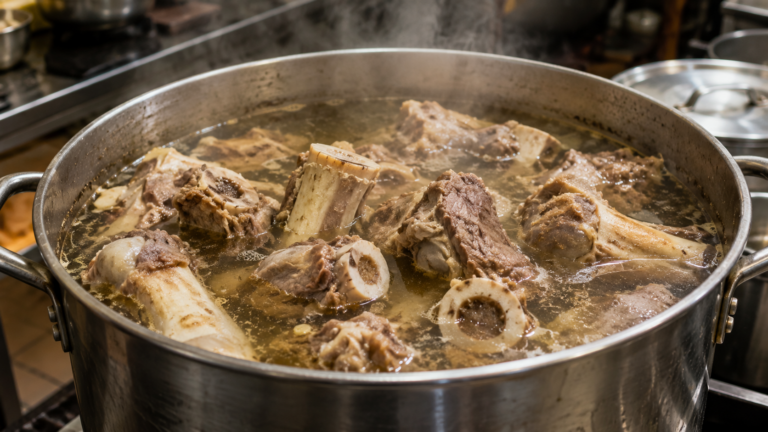
Bún bò Huế, the beef noodle soup associated with Huế, is a strong contrast with many bowls of phở. The stock often combines beef and pork flavors with lemongrass, fermented shrimp seasoning, fish sauce and chili. Some cooks add chili oil or chili paste during preparation, while others offer more on the side.
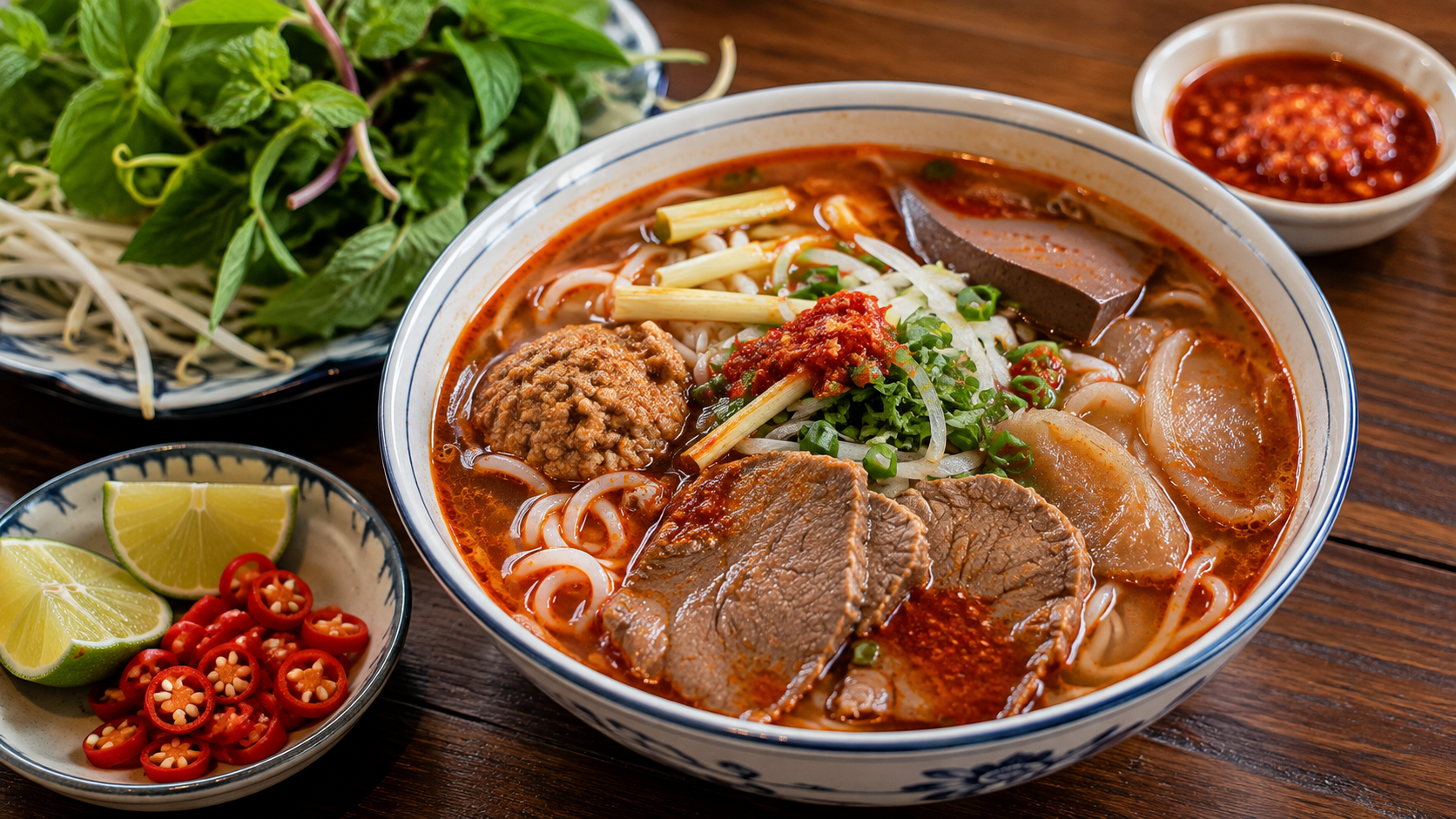
The Vietnam Tourism noodle guide lists lemongrass, chili and fermented shrimp paste in a typical bún bò Huế broth. Its red color is a clue to the seasoning style but not a reliable measure of how hot a particular bowl will be. Ask whether the chili is part of the base recipe before ordering.
If the cook has already added chili to the pot, requesting “no chili” at the table will not make the finished soup mild. Ask whether a non-spicy version is actually available, and choose a different noodle dish if not.
Regional Differences: Huế, Hanoi and the South
Regional food culture helps travelers know what to expect, but these are tendencies rather than fixed rules for every kitchen.
| Region or food style | Common tendency | Important exception |
|---|---|---|
| Northern dishes, including many Hanoi styles | Some classic broths and grilled dishes emphasize gentle seasoning | Chili can still appear in soups, sauces or local specialties |
| Central Vietnam, especially Huế | Many celebrated recipes use chili, fermented sauces and powerful flavors | Huế also has mild steamed dumplings and other non-spicy foods |
| Southern food traditions | Sweet, sour, salty and spicy flavors may be combined in sauces | A dish’s heat depends on the recipe and added condiments |
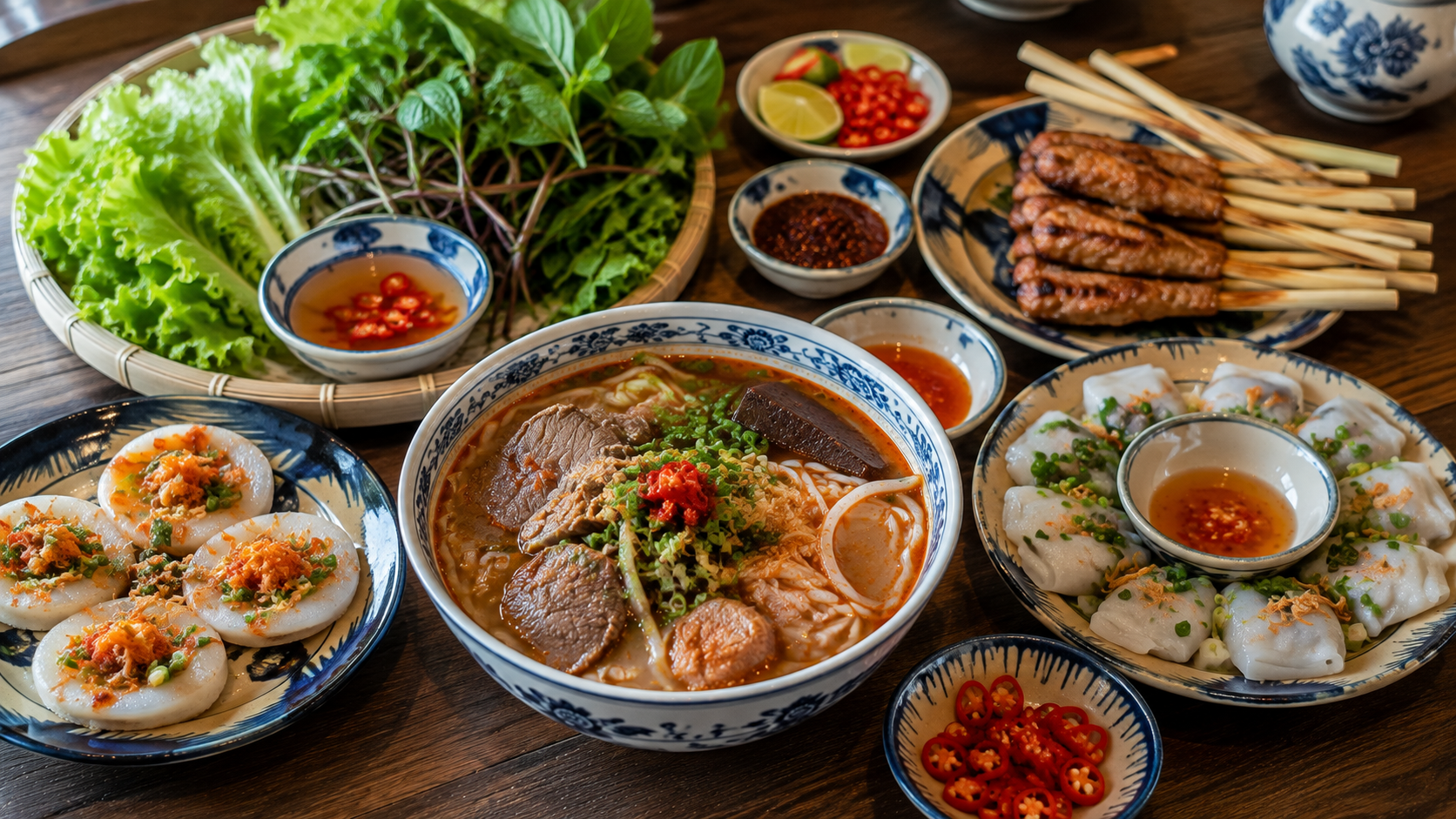
Vietnam Tourism specifically associates Huế with chili oil, chili flakes and chili-based condiments, while also pointing out mild foods from the region. See the official food guide by region. Even in Da Nang or Huế, asking about the dish itself remains more useful than assuming every Central Vietnamese meal is hot.
Fresh Chilies and Chili Sauces: Start Small
Some small fresh chilies are very pungent. A tiny slice can noticeably change a large bowl of soup, while some bottled chili sauces are sweet and mild. Size, color or a sauce’s redness does not reliably tell you its heat. Take a small taste and only then add more.

Chili sauces can contain garlic, sugar, vinegar, fermented ingredients or oils alongside peppers. If a condiment has already been mixed into an entire dish, removing the visible chili pieces will not necessarily remove its heat. It is usually easier to keep the sauce on the side.
Dipping Sauces Can Be Hotter Than the Dish
Fresh rolls, grilled meats, seafood and fried foods are often accompanied by dipping sauces. A dip may contain crushed chilies even if the main dish was prepared without any. Fish sauce, garlic, lime and sugar can balance the chili’s flavor without eliminating its heat.

Request “Nước chấm không ớt” (“Dipping sauce without chili”) if possible, or ask for sauce served separately. Allergy note: fish sauce, fermented shrimp products, peanuts and soy can appear in different sauces; being non-spicy does not mean being allergy-free. Our Vietnamese dipping-sauce guide explains common combinations.
Milder Vietnamese Dishes to Consider
- Phở bò or phở gà: start with a plain version and leave chili additions out.
- Gỏi cuốn: fresh rolls may have little chili, but check the peanut or fish-sauce dip.
- Bún chả: ask whether chili is already mixed into the dipping sauce.
- Cơm tấm or other rice dishes: request chili-free garnish, sauce and marinade where possible.
- Bánh xèo: the pancake may be mild; check the filling and accompanying nước chấm.
- Bánh mì: ask for no fresh chili, chili sauce or spicy spread.
- Plain rice, vegetables or grilled proteins: often adaptable, but verify the seasoning.
These choices are often easier to customize, not guaranteed chili-free. For more dish descriptions see our Vietnamese noodle dishes guide and Vietnam Tourism’s food overview.
Vietnamese Foods to Explore If You Enjoy Heat
For a stronger chili experience, try a bún bò Huế with its usual seasoning, a Huế-style dip or a seafood preparation explicitly made with chili. You can also experiment with chili salt or chili paste served separately alongside otherwise milder dishes.
Chili is not the only reason these foods taste distinctive: lemongrass, garlic, fermented seasonings, herbs and sourness are important too. Ask the vendor how the chili is incorporated, since adding extra at the table gives a different result from eating a spicy stock or marinade.
How to Ask for Less Spicy Food in Vietnamese
| Vietnamese | Meaning | When to use |
|---|---|---|
| Không cay. | Not spicy. | Stating your preference |
| Ít cay. | Less spicy. | Requesting mild heat, not zero |
| Không cho ớt nhé. | No chili, please. | Asking the cook to leave chili out |
| Không cho sa tế nhé. | No chili paste / satế, please. | When a dish uses satế |
| Ớt để riêng nhé. | Chili on the side, please. | Keeping fresh chili separate |
| Nước chấm không ớt. | Dipping sauce without chili. | Checking the sauce |
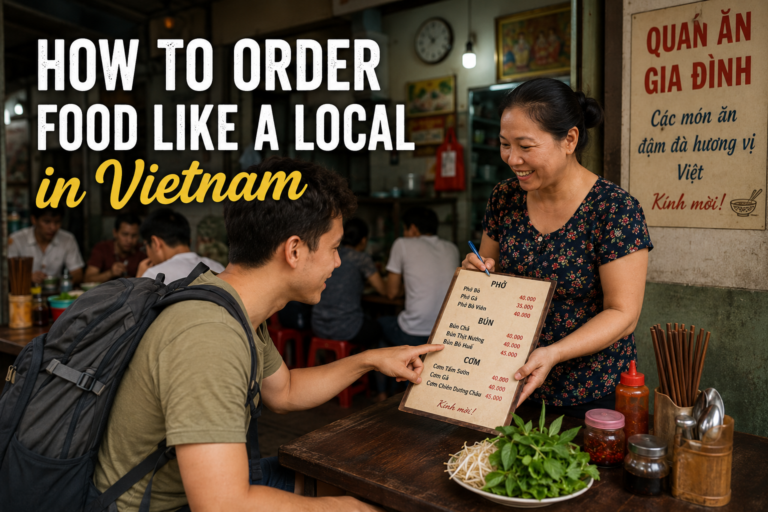
| Món này có cay không? | Is this dish spicy? | Before ordering |
| Nước dùng có ớt không? | Does the broth contain chili? | Especially for noodle soups |
| Có thể làm không cay không? | Can you make it non-spicy? | Checking whether the recipe can be changed |
| Món nào không cay? | Which dishes aren’t spicy? | Asking for alternatives |
| Tôi không ăn cay được. | I can’t eat spicy food. | Explaining a strong preference |
Important distinction: “Không cay” expresses the desired result, while “Không cho ớt” directly asks for chili to be omitted. Neither phrase guarantees a chili-free dish if chili is already in the stock, marinade or sauce. If you are highly sensitive, ask for an explicit confirmation about the base recipe.
A Five-Step Ordering Check
- Ask before ordering: “Món này có cay không?”—is it spicy?
- Ask about what is already cooked: is chili in the broth or marinade?
- Specify the preference: no chili, or only a little, depending on your tolerance.
- Request condiments separately: chili, chili paste and sauce can be served on the side when possible.
- Confirm at the table: if food still tastes too hot, ask about a different dish rather than assuming the chili can be removed.
If you also have an allergy or ingredient restriction, explain that separately; a mild dish may still contain peanuts, shrimp paste or fish sauce. For general restaurant language, see our Vietnamese food-ordering guide.
Frequently Asked Questions
Is Vietnamese food usually very spicy?
It depends on the dish and cook. Many widely eaten dishes can be mild, while Huế-style specialties and certain chili-based sauces can be hot. The cuisine does not have one universal spice level.
Can I order phở without chili?
Often yes, especially if fresh chili or chili sauce is normally added at the table. Confirm what is already in the broth or garnishes when chili avoidance matters.
Is bún bò Huế always spicy?
It often uses chili as part of its characteristic broth or oil, but heat varies. Ask whether the cook can make a chili-free version; not every kitchen can.
Which region in Vietnam has spicy food?
Huế and parts of Central Vietnam are especially associated with chili-forward dishes. However, every region offers both milder and spicier preparations, and it is misleading to rank entire regions by a measured heat score.
What is the difference between không cay and ít cay?
Không cay means not spicy, whereas ít cay asks for less heat. For a very sensitive diner, adding “Không cho ớt” can clarify that chili should be omitted where possible.
Can a non-spicy dish still have chili in its dipping sauce?
Yes. Check the dipping sauce and any chili condiments separately. Ask for “nước chấm không ớt” if a chili-free dip is possible.
Final Thoughts
Vietnamese food ranges from delicately seasoned noodle soups to fiery Huế dishes and strong chili-based sauces. The most helpful habit is to ask whether chili is cooked into the food or served separately. Choose an adaptable dish if you prefer mild meals, and explore fresh chili and regional condiments gradually if you enjoy heat.
Sources and Editorial Note
- Vietnam Tourism — A Foodie Guide by Region: regional preferences and Huế cuisine.
- Vietnam Tourism — Beyond Phở: Five Vietnamese Noodle Dishes: bún bò Huế ingredients and bún chả flavor profile.
- Vietnam Tourism — 21 Must-Try Vietnamese Dishes: classic Vietnamese dishes and broad regional tastes.
Editorial note (October 2026): Dish-by-dish heat descriptions are qualitative, not a standardized ranking or a guarantee about any restaurant’s recipe. Ingredients, sauces and serving styles vary. The original featured image remains attached and other media-library assets were preserved; body images are illustrative. Travelers with food allergies should verify ingredients separately from chili level.