I Ate Only Local Food in Vietnam for 30 Days – Here’s What Happened
Vietnam is famous for its incredible cuisine, but many visitors only experience a small portion of what the country has to offer. During my first few weeks in Vietnam, I noticed that many tourists stayed within their comfort zones, eating burgers one day and pizza the next before trying an occasional bowl of pho.
I wanted something different.
So I challenged myself to eat only authentic Vietnamese food for 30 days. No Western meals, no international fast food, and no shortcuts. Every breakfast, lunch, dinner, and even my coffee breaks would come from local Vietnamese restaurants, street vendors, and neighborhood cafés.
It turned out to be one of the best decisions I have ever made while living in Vietnam.
By the end of the month, I had discovered dishes I had never heard of, spent far less money than expected, and gained a much deeper appreciation for Vietnamese culture.
This is my honest experience after spending 30 days eating like a local.
Why I Decided to Eat Only Local Food
When people think about Vietnamese cuisine, they usually imagine pho or banh mi.
While those dishes certainly deserve their popularity, they represent only a tiny part of Vietnam’s culinary culture.
Every city has its own specialties.
Every family prepares recipes a little differently.
Even two restaurants located on the same street may serve completely different versions of the same dish.
I realized that if I wanted to truly understand Vietnam, I needed to experience its food the same way local people do.
That meant waking up early for noodle soup, drinking Vietnamese coffee at neighborhood cafés, eating rice dishes for lunch, and discovering regional specialties that many tourists never try.
Rather than searching for the “best-rated” restaurants online, I decided to follow local recommendations whenever possible.
That simple choice led me to some of the most memorable meals I’ve ever had.
Week 1: Leaving My Comfort Zone
The first week was surprisingly challenging.
Not because the food wasn’t delicious—but because I quickly realized how little I actually knew about Vietnamese cuisine.
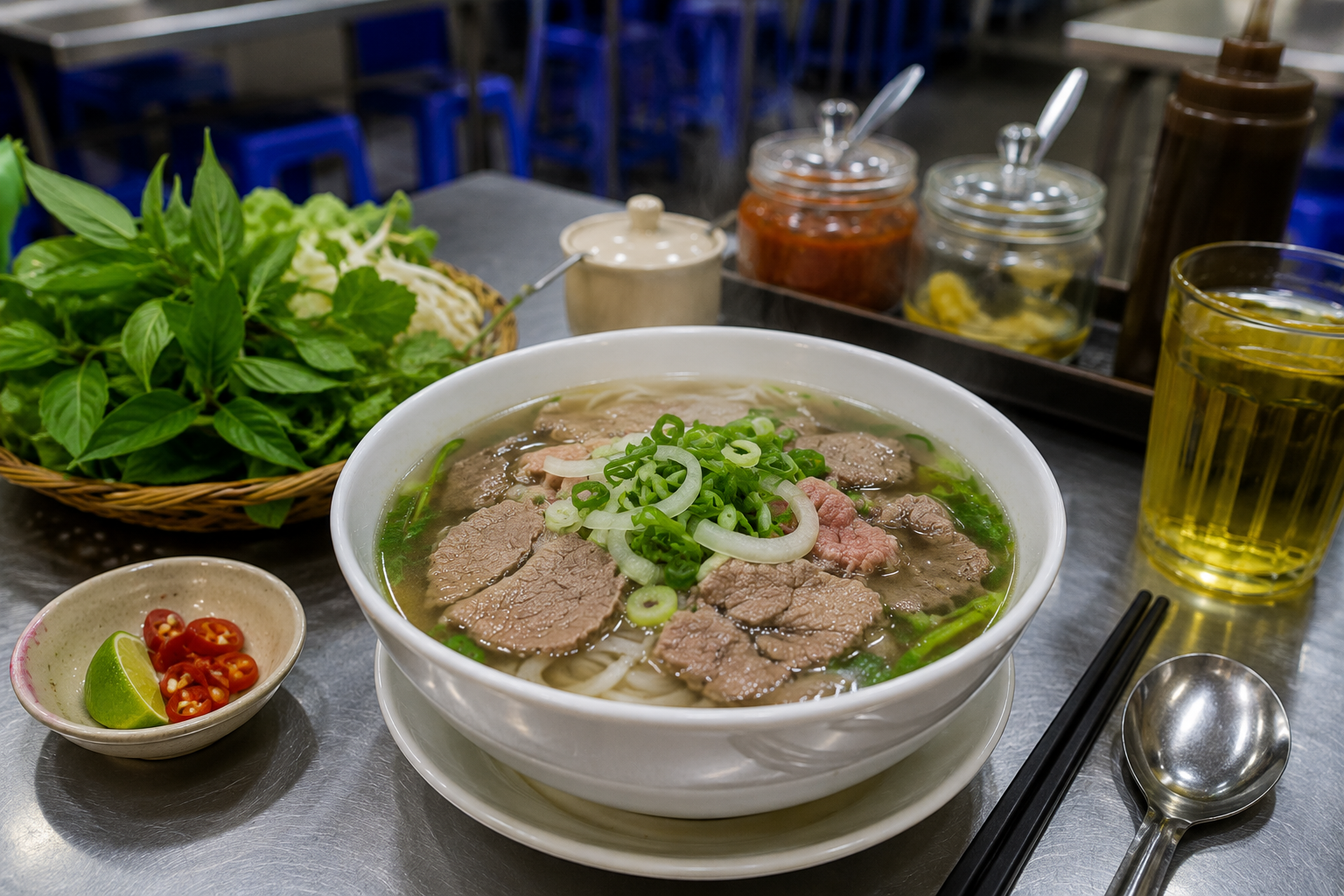
Of course, I ordered pho several times.
But I also found myself trying dishes like Bún Chả, Bún Bò Huế, Cơm Tấm, and fresh spring rolls from small family-owned restaurants.
One thing that immediately stood out was how fresh everything tasted.
Instead of heavy sauces or processed ingredients, most meals were built around fresh herbs, vegetables, grilled meat, and flavorful broths that had been simmering for hours.
Another surprise was how balanced every meal felt.
Almost every dish included a combination of vegetables, herbs, protein, and rice or noodles, creating meals that felt satisfying without being overly heavy.
I also noticed something interesting about Vietnamese eating culture.
Meals were rarely rushed.
People gathered with friends, shared dishes, chatted over coffee, and seemed to genuinely enjoy the experience rather than simply eating as quickly as possible.
That slower pace completely changed how I viewed everyday meals.
By the end of the first week, I no longer missed Western food.
Instead, I found myself looking forward to discovering what I would eat next.
External Links
Week 2: Discovering Regional Specialties
By the second week, I had become much more confident ordering local dishes.
Instead of looking for familiar names, I started asking restaurant staff what they recommended. That simple question introduced me to foods I probably would have never ordered on my own.
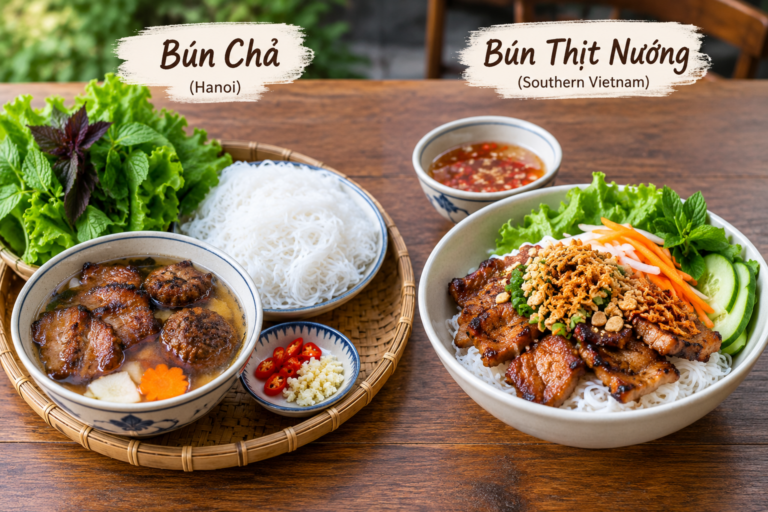
One of my favorite discoveries was Bún Chả, a dish of grilled pork served with rice noodles, fresh herbs, and a sweet-savory dipping sauce. The combination of smoky meat, crisp vegetables, and fragrant herbs created a perfect balance of flavors.
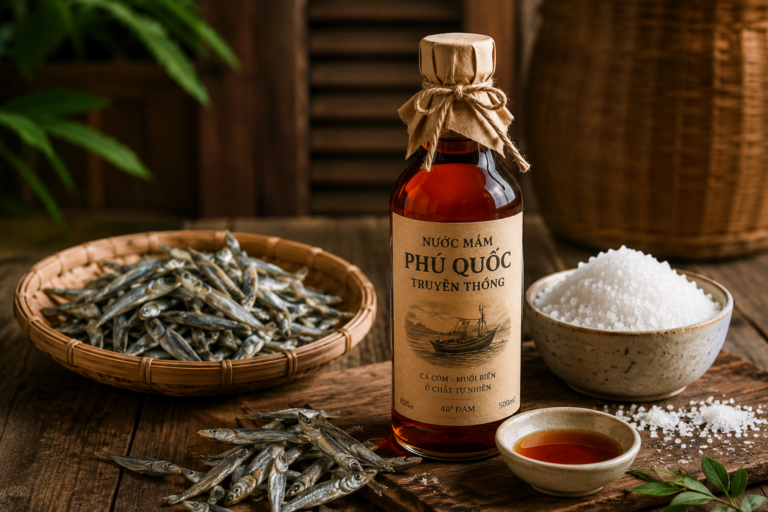
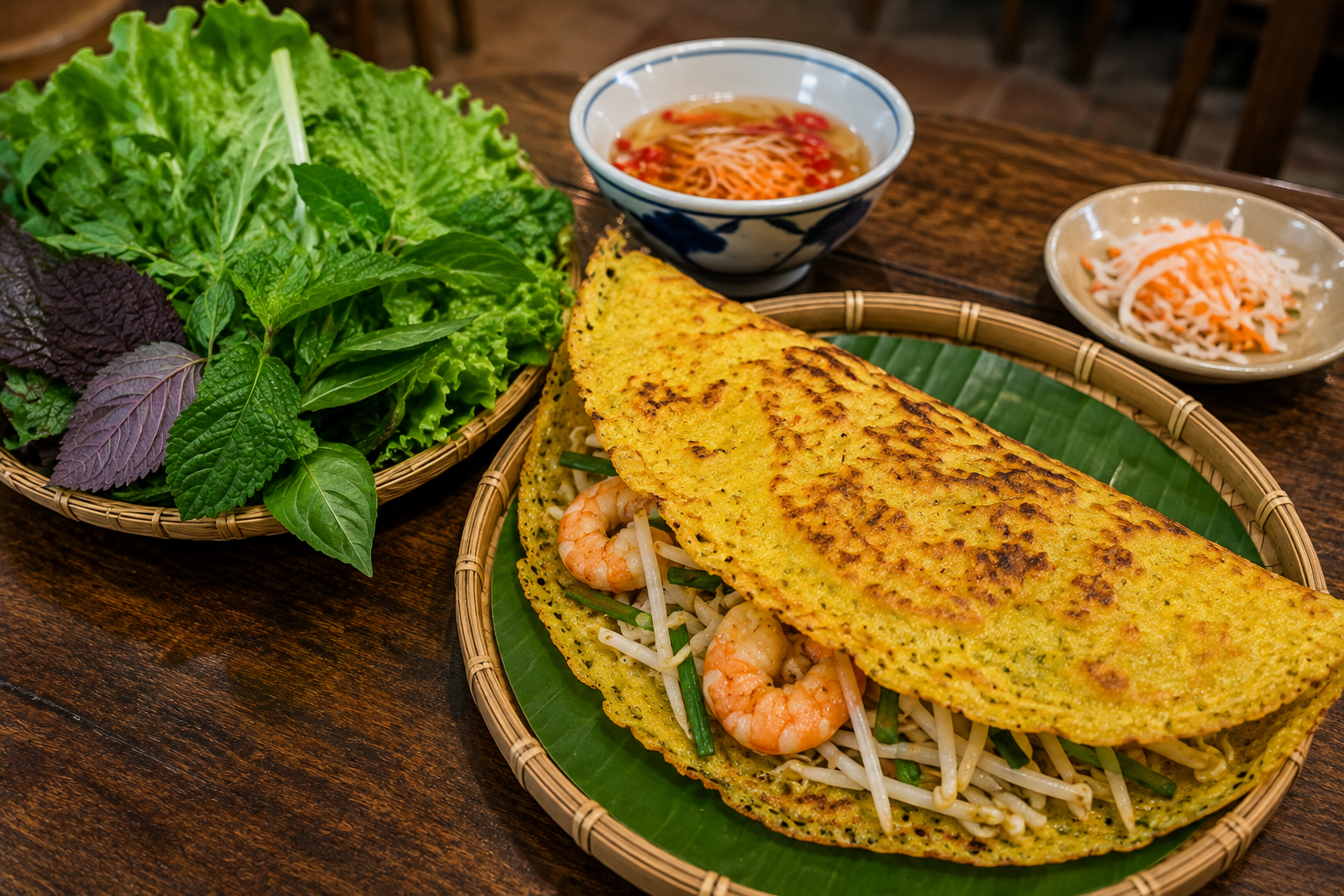
I also tried Bánh Xèo, Vietnam’s famous crispy savory pancake. Wrapped with lettuce and herbs before dipping it into fish sauce, every bite tasted fresh despite the crispy exterior.
Another surprise was how much variety existed between different regions. Northern dishes generally felt lighter and more delicate, while Central Vietnamese cuisine often brought bold spices and richer flavors. Southern dishes tended to be slightly sweeter, reflecting the region’s abundant tropical ingredients.
This diversity made every meal feel like a completely new experience rather than simply another version of the same cuisine.
Week 3: The Biggest Surprises
The third week completely changed my perception of Vietnamese food.
Before coming to Vietnam, I thought the country’s cuisine mainly revolved around noodles.
I couldn’t have been more wrong.
Rice dishes, grilled meats, seafood, soups, hot pots, salads, and fresh vegetables all played equally important roles in everyday meals.
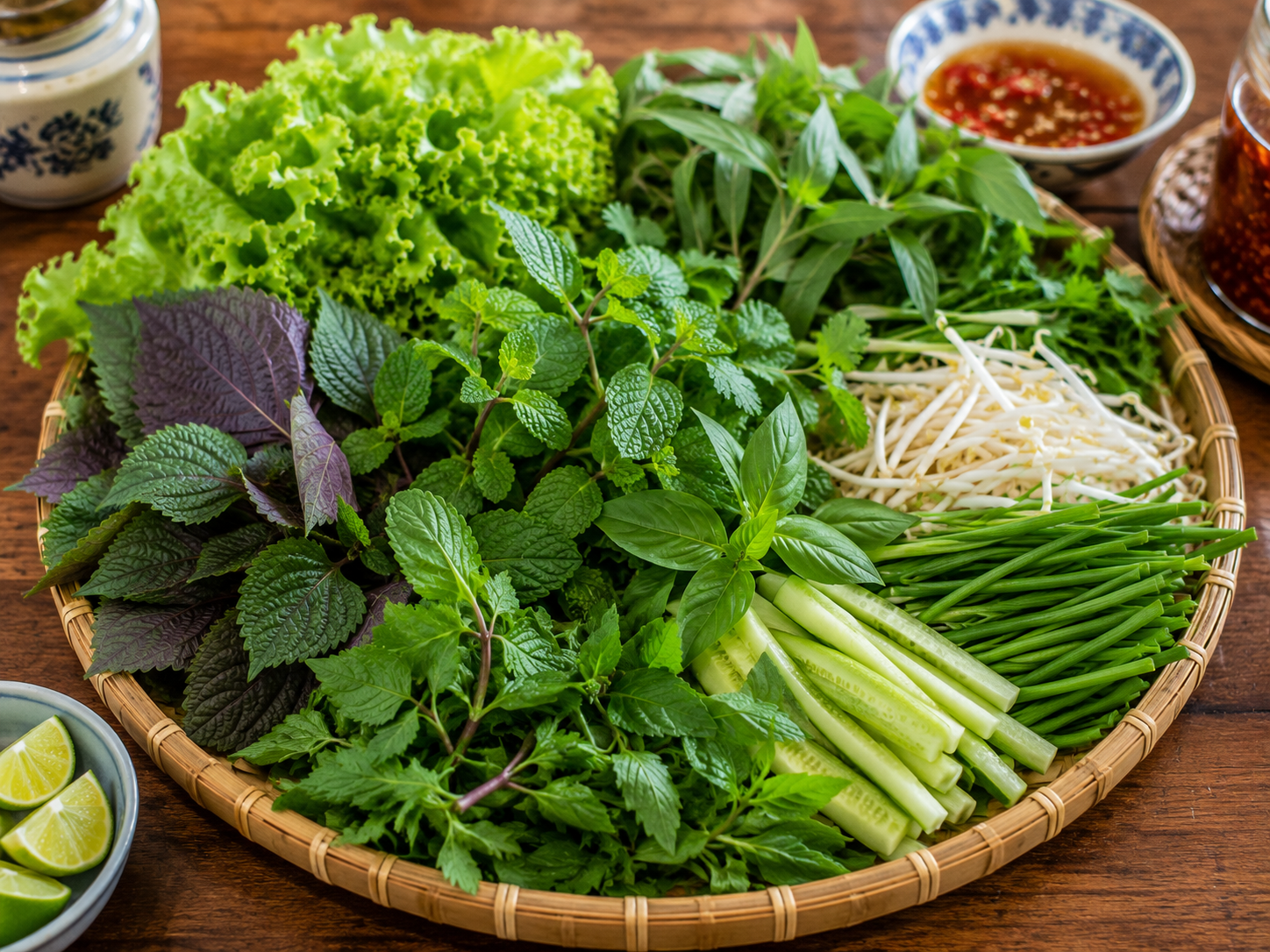
I also discovered how essential fresh herbs are to Vietnamese cooking.
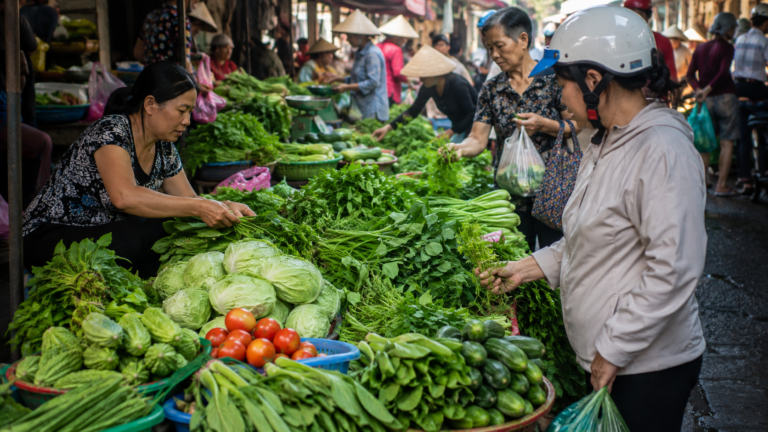
Mint, Thai basil, Vietnamese coriander, perilla leaves, and many other herbs appeared in almost every meal. Rather than acting as simple garnishes, they completely transformed the flavor of each dish.
Another surprise was the incredible consistency of neighborhood restaurants.
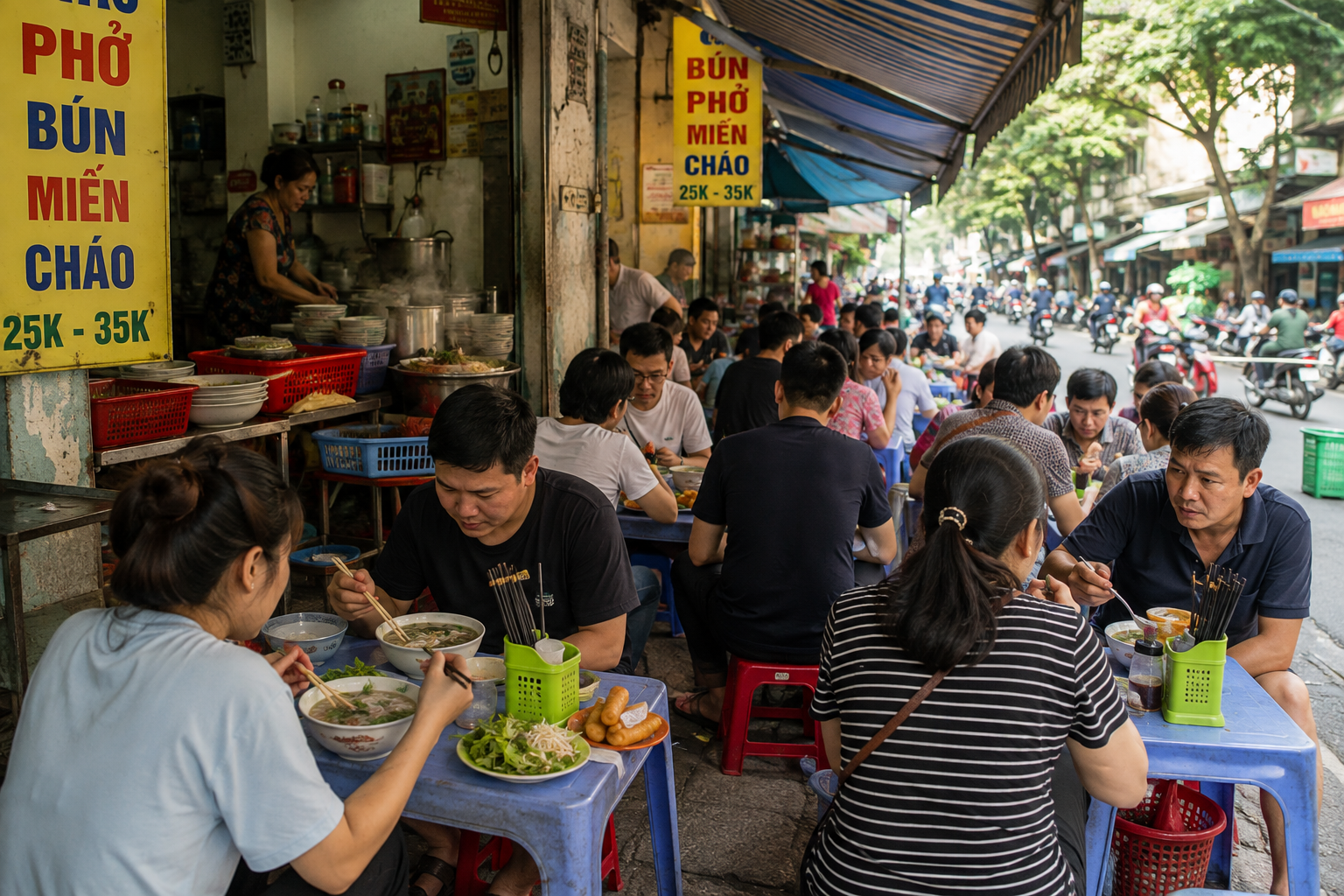
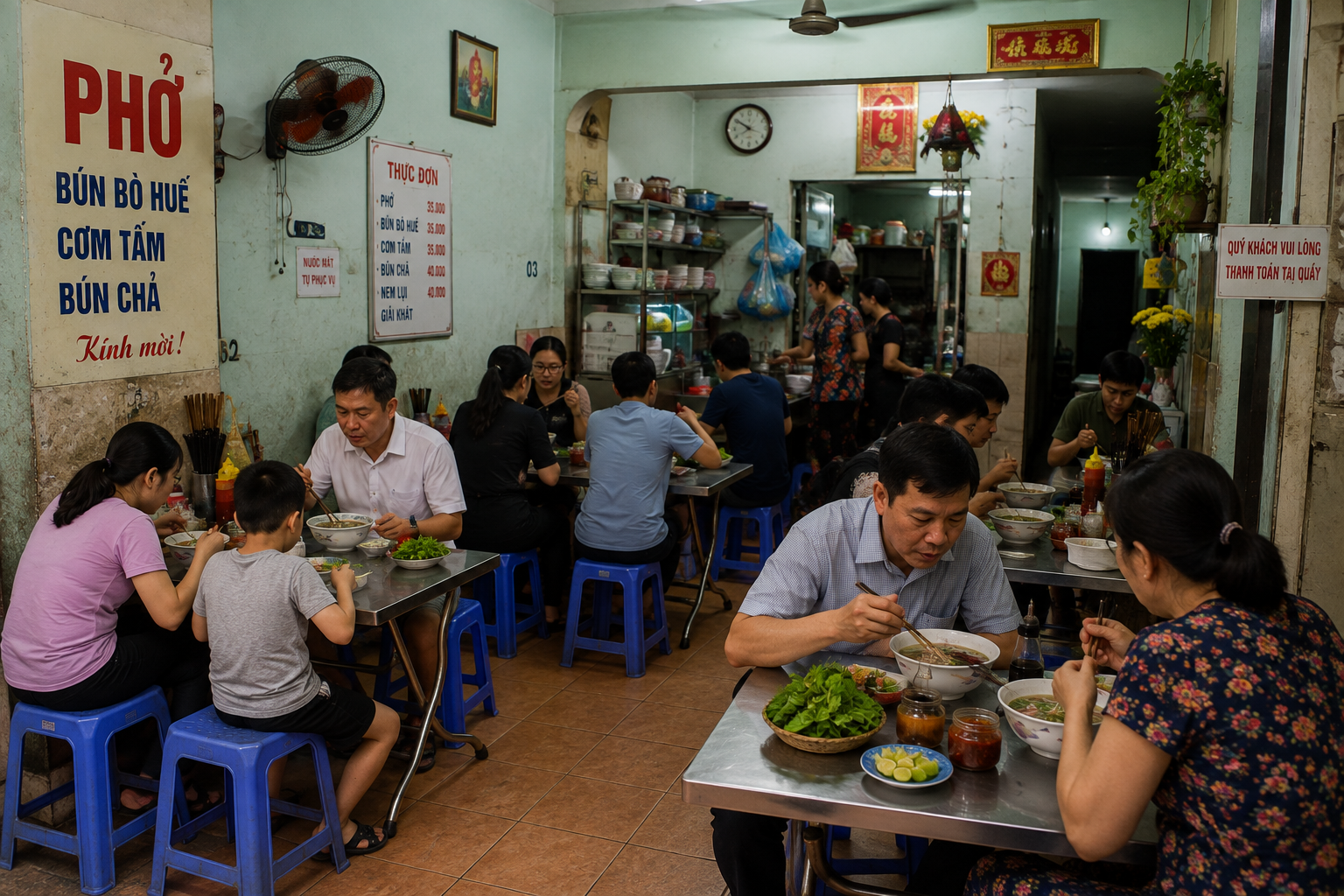
Some of the smallest family-run eateries, with only a handful of plastic tables, served meals that rivaled restaurants many times their size.
Because recipes are often passed down through generations, these local businesses focus on perfecting one or two signature dishes instead of offering huge menus.
That attention to detail was something I grew to appreciate more every day.
Week 4: I Didn’t Want the Challenge to End
By the final week, eating Vietnamese food no longer felt like a challenge.
It had simply become my normal routine.
I found myself craving bowls of steaming noodle soup in the morning, fresh rice paper rolls for lunch, and grilled meat dishes with plenty of herbs for dinner.
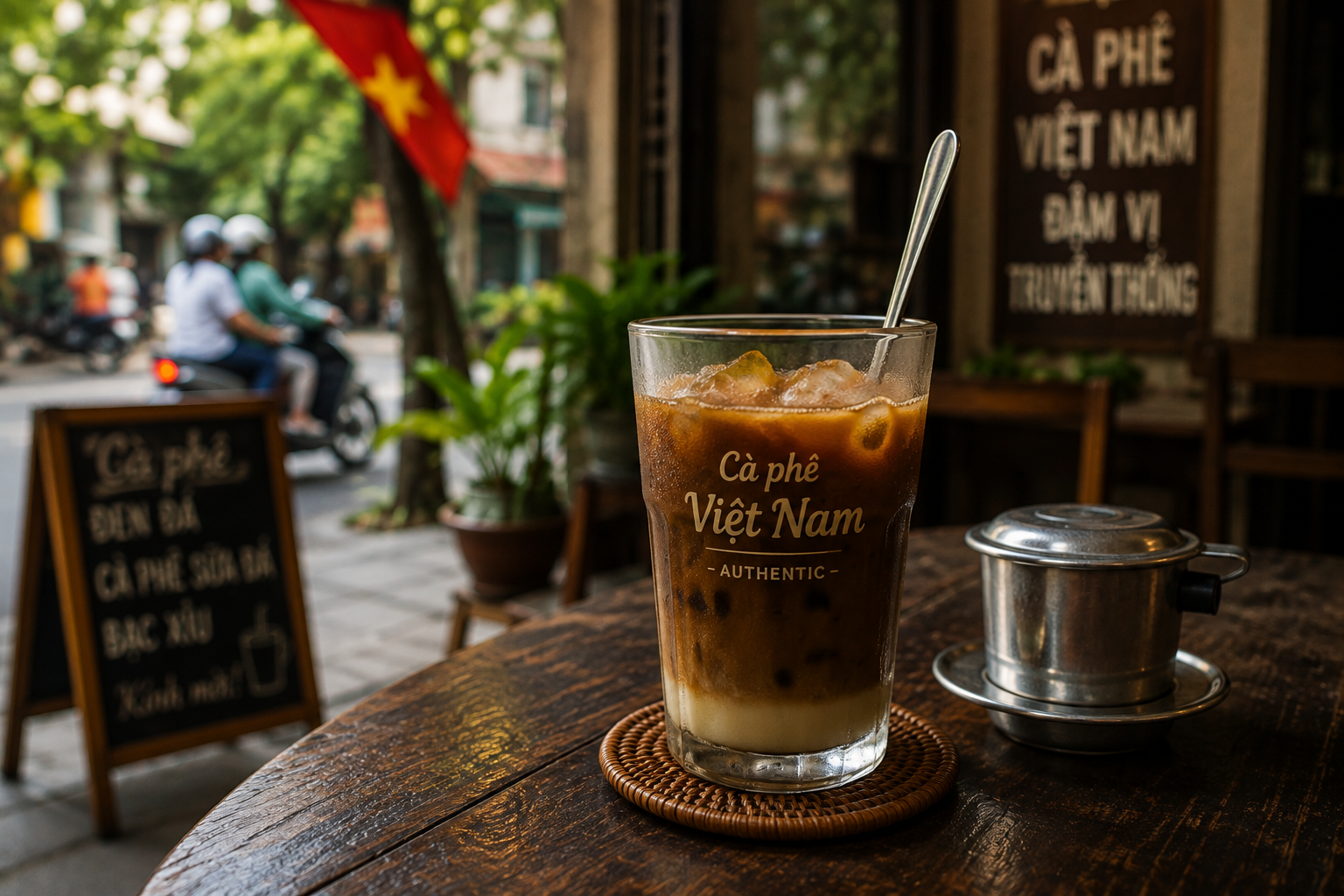
Even Vietnamese coffee became part of my daily schedule.
Instead of searching for familiar international chains, I preferred sitting in small local cafés where people gathered to chat, work, or simply watch the streets come alive.
One thing I noticed was that I never felt bored.
Vietnamese cuisine offers such a wide variety of ingredients, cooking techniques, and regional specialties that it was easy to eat something different every single day.
After thirty days, I realized I had only scratched the surface of what Vietnam has to offer.
If I continued for another month, I could probably eat different dishes every day without repeating many meals.
How Much Did I Spend?
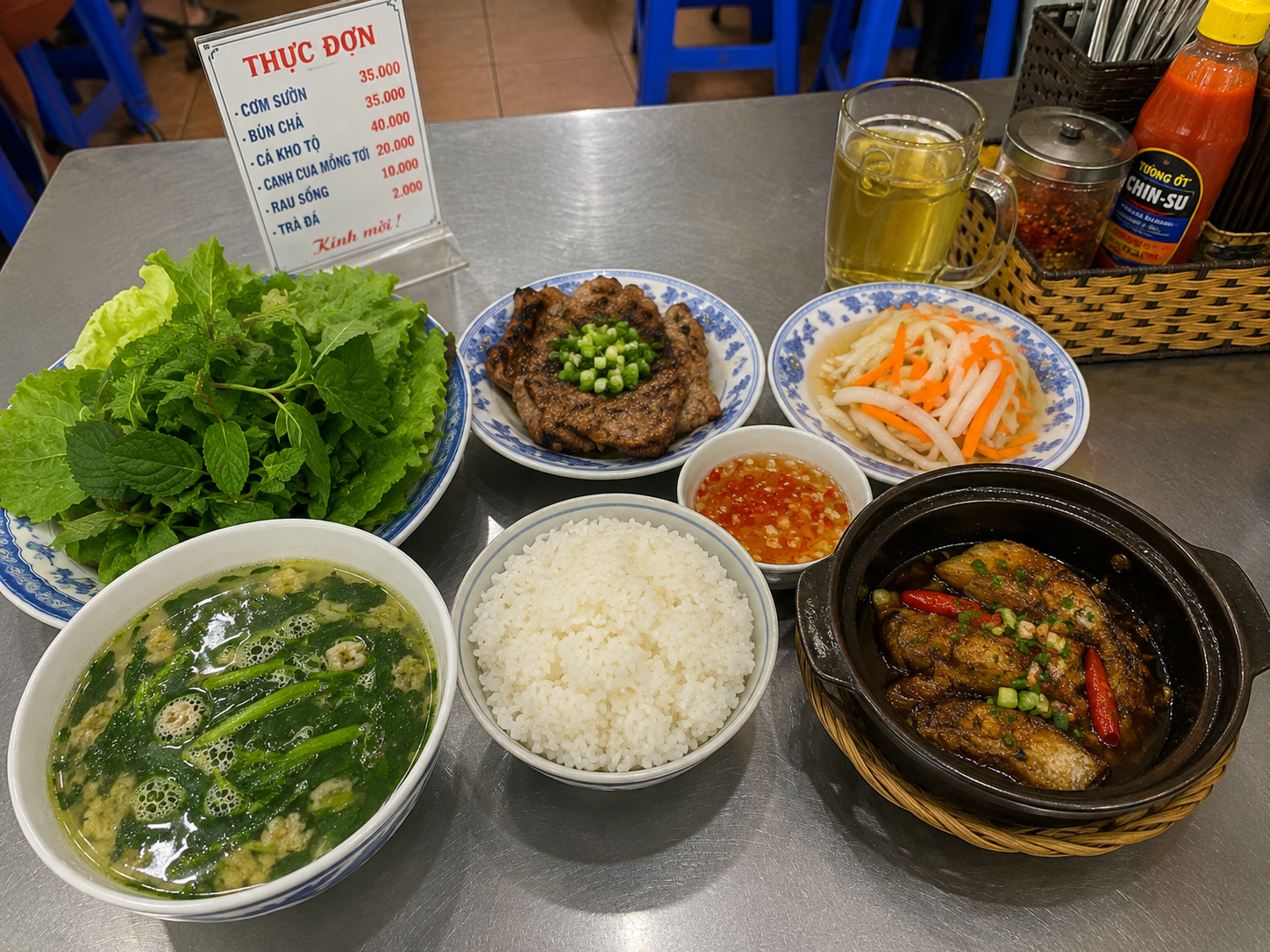
One of the biggest surprises throughout the month was how affordable authentic Vietnamese food can be.
Breakfast usually cost only a few dollars, while generous lunch and dinner portions remained surprisingly inexpensive compared to many Western countries.
Street food was often the most affordable option, but even comfortable local restaurants offered excellent value for money.
Because most meals included fresh vegetables, herbs, soup, and protein, I rarely felt the need to order additional side dishes.
Not only did I save money, but I also felt like I was eating fresher and more balanced meals than I normally would back home.
Health Changes I Noticed
After eating only authentic Vietnamese food for a month, I noticed several unexpected changes.
First, I rarely experienced the heavy feeling that often comes after eating processed or fast food.
The combination of fresh vegetables, herbs, lean meats, seafood, and lighter cooking methods made every meal feel satisfying without being overwhelming.
I also found myself drinking much more water and eating significantly more vegetables than I normally would.
Although I wasn’t trying to lose weight, I felt more energetic throughout the day and experienced fewer afternoon energy crashes.
Of course, everyone’s body responds differently, but for me, switching to a diet based almost entirely on fresh Vietnamese food was a positive experience.
The Dishes I Would Happily Eat Again
After 30 days of eating authentic Vietnamese food, a few dishes stood out above the rest. While every region had something unique to offer, these became my personal favorites.
Phở
It’s easy to understand why phở is Vietnam’s most famous dish. A well-made bowl has a rich, aromatic broth that has been simmered for hours, tender slices of beef, silky rice noodles, and fresh herbs that allow you to customize every bite.
Bún Chả
Grilled pork paired with rice noodles, herbs, and dipping sauce created one of the most balanced meals I had during the month. It’s simple, flavorful, and incredibly satisfying.
Bánh Xèo
The crispy pancake surprised me the most. Wrapping pieces in fresh lettuce and herbs before dipping them into fish sauce created a combination of textures that I had never experienced before.
Cơm Tấm
Broken rice served with grilled pork, pickled vegetables, and a fried egg quickly became one of my favorite comfort foods. It is filling without feeling overly heavy.
Vietnamese Coffee
Although it isn’t technically food, Vietnamese coffee became part of my daily routine. Whether served hot or with condensed milk over ice, it was one of the highlights of every day.
Tips for Anyone Wanting to Eat Like a Local
If you’re planning to visit Vietnam, I highly recommend trying local food beyond the famous tourist dishes.
Here are a few tips that made my experience much better:
- Don’t judge a restaurant by its appearance. Some of the best meals I had came from small family-run eateries with plastic tables and simple menus.
- Ask the staff what they recommend instead of ordering only familiar dishes.
- Try regional specialties whenever you travel to a different city.
- Eat breakfast like a local. Morning noodle soups are an experience worth waking up early for.
- Be open to ingredients you’ve never tried before. Many became my favorites after the first bite.
- Learn a few simple Vietnamese food names. Even basic words like Phở, Bún Chả, or Bánh Mì make ordering much easier.
The more adventurous you are, the more rewarding your food journey will become.
Final Thoughts
After spending thirty days eating only authentic Vietnamese food, I realized that Vietnamese cuisine is far more diverse than I had imagined.
Every meal taught me something new about the country’s culture, traditions, and regional identity.
What started as a personal challenge eventually became one of the most memorable parts of my life in Vietnam.
Would I do it again?
Absolutely.
In fact, after thirty days, I felt like I had only begun exploring Vietnamese cuisine. There are still countless regional specialties, seasonal dishes, and family recipes waiting to be discovered.
If you’re visiting Vietnam, don’t limit yourself to the dishes you already know.
Step into a neighborhood restaurant, order something unfamiliar, and let curiosity guide your next meal.
You might discover your new favorite food in the most unexpected place.
Frequently Asked Questions
Is it safe to eat street food in Vietnam?
Yes, as long as you choose busy vendors with a high turnover of customers and food that is prepared fresh in front of you.
Can you eat only Vietnamese food for a month?
Absolutely. Vietnamese cuisine is incredibly diverse, offering everything from noodle soups and rice dishes to seafood, grilled meats, vegetarian meals, and fresh salads.
Is Vietnamese food healthy?
Many traditional Vietnamese dishes include fresh vegetables, herbs, lean proteins, and light cooking methods, making them a balanced option for many people.
What was the best dish during the challenge?
Bún Chả was my personal favorite, although Phở and Bánh Xèo were very close behind.
Would I recommend this challenge?
Without hesitation. It is one of the best ways to experience Vietnamese culture beyond the usual tourist attractions.