Why Is Vietnamese Broth So Flavorful? 7 Secrets Explained
Vietnamese cuisine is famous for fresh herbs, vibrant sauces, and an incredible balance of flavors. But one of the most important foundations of Vietnamese cooking is something that often looks surprisingly simple: broth.
A bowl of Vietnamese noodle soup can arrive at the table with a broth that looks light and clear, yet the first spoonful reveals layers of sweetness, savory depth, roasted aromatics, spices, and umami.
This is especially noticeable in dishes such as phở bò, phở gà, bún bò Huế, hủ tiếu, and bún mọc.
So, what makes Vietnamese broth so flavorful?
There is no single secret ingredient. Vietnamese broth gets its character from a combination of carefully selected bones and meat, charred aromatics, toasted spices, slow cooking, seasoning, and constant attention to balance.
Here are 7 secrets behind the rich and aromatic flavor of Vietnamese broth.
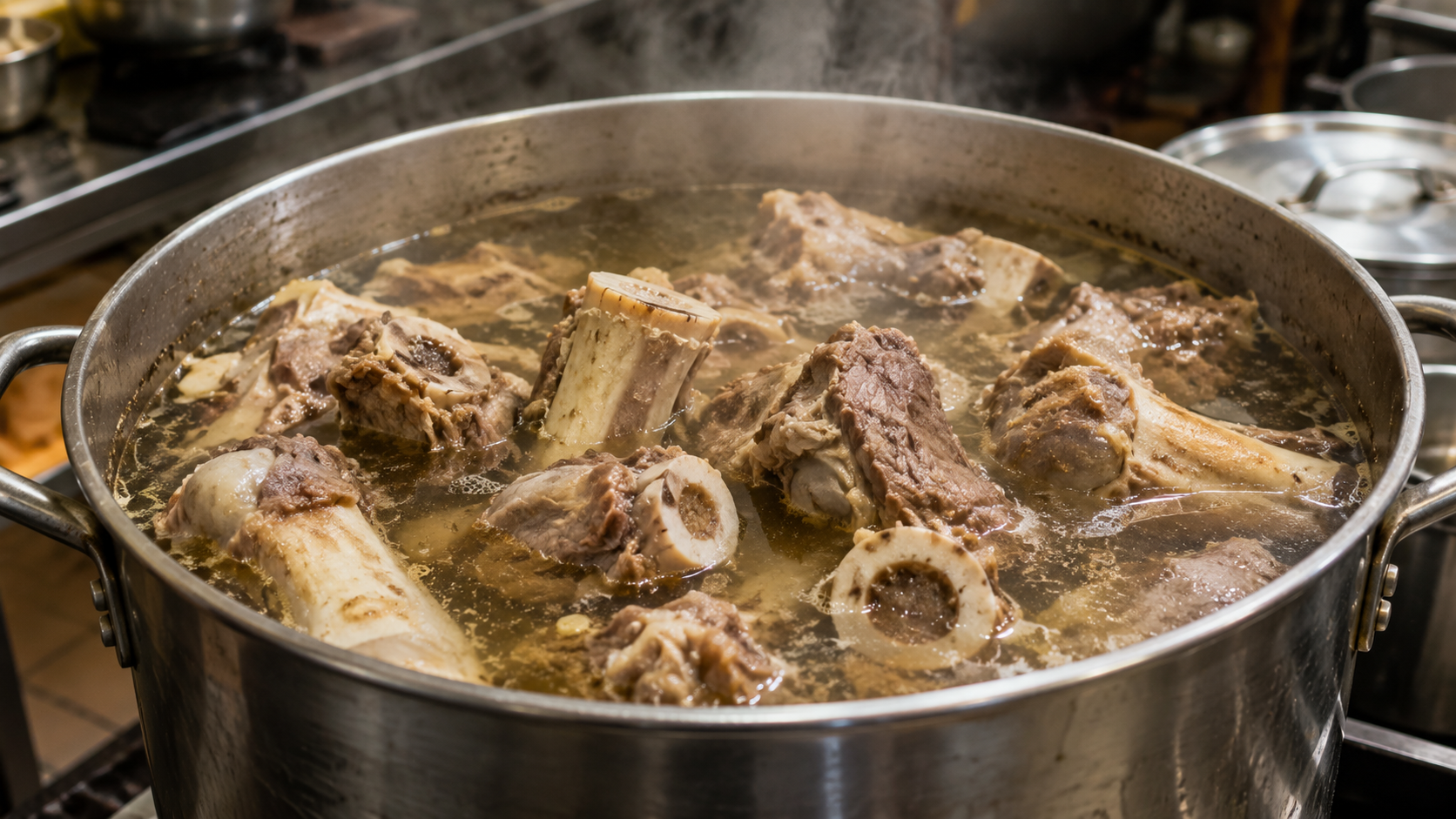
1. Bones Are the Foundation of Vietnamese Broth
Many traditional Vietnamese broths begin with bones.
Beef bones are commonly used for phở bò, while pork bones form the base of numerous noodle soups. Chicken broth may use both bones and whole chicken to create a lighter but naturally savory flavor.
The purpose is not simply to make the water taste like meat.
During slow cooking, bones, cartilage, connective tissue, and small amounts of meat release flavor and gelatin into the liquid. This creates a broth with more body and a pleasant mouthfeel.
Unlike many Western soups, Vietnamese broth usually does not depend on cream, butter, or flour for richness.
Instead, much of that richness comes naturally from the ingredients themselves.
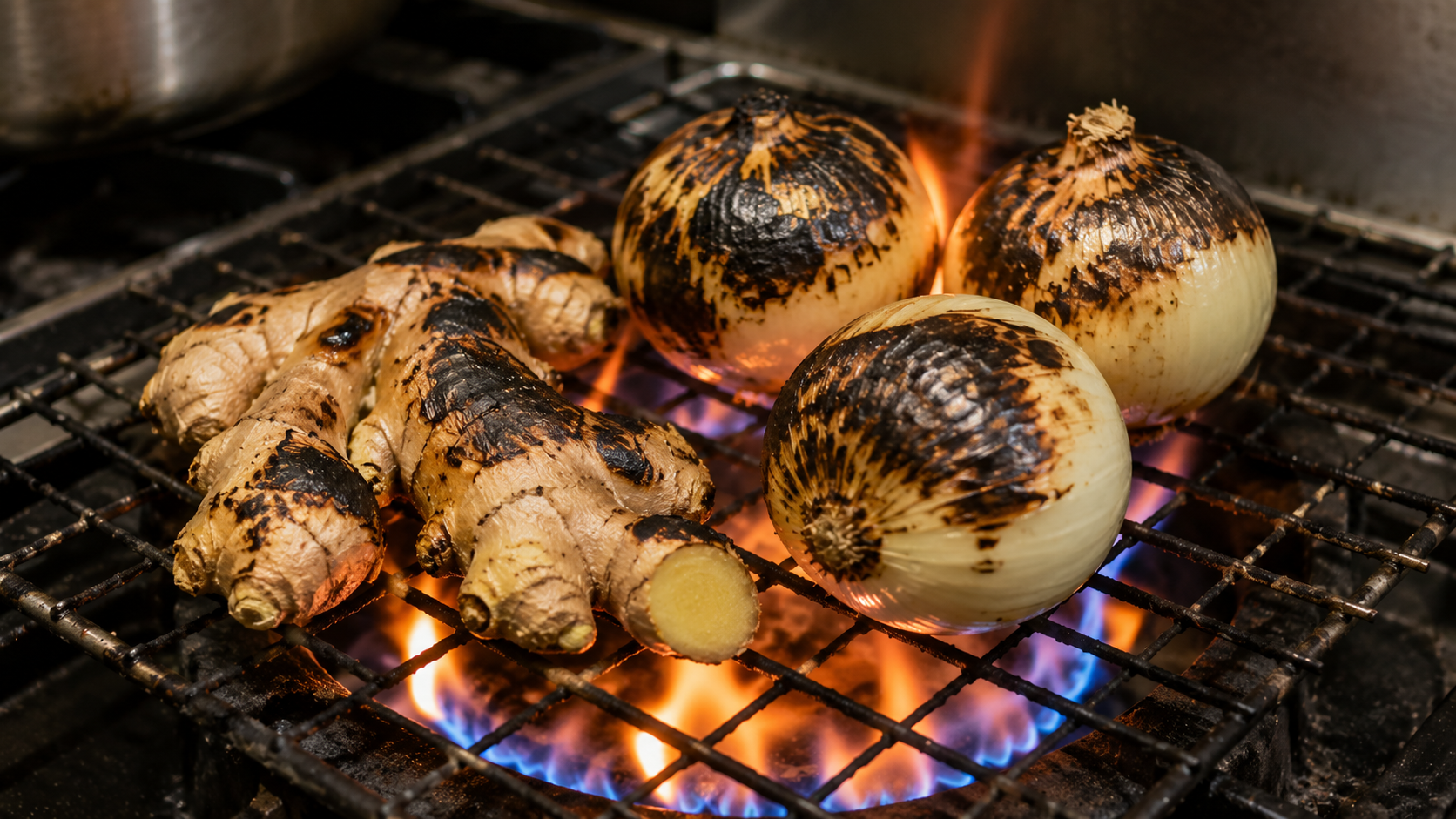
2. Onion and Ginger Are Often Charred
One of the most recognizable techniques in Vietnamese broth-making happens before the ingredients even enter the pot.
For dishes such as phở, onions and ginger are often charred or roasted.
The outside may become dark or even partially blackened.
That might look unusual to someone unfamiliar with Vietnamese cooking, but the technique serves an important purpose.
Heat transforms the sharp flavor of raw onion into something sweeter and deeper. Ginger develops a warm roasted aroma with a subtle smoky character.
After the charred exterior is cleaned as necessary, the aromatics are added to the stock.
The result is not an obviously smoky soup.
Instead, the broth gains another subtle layer of sweetness and roasted fragrance.
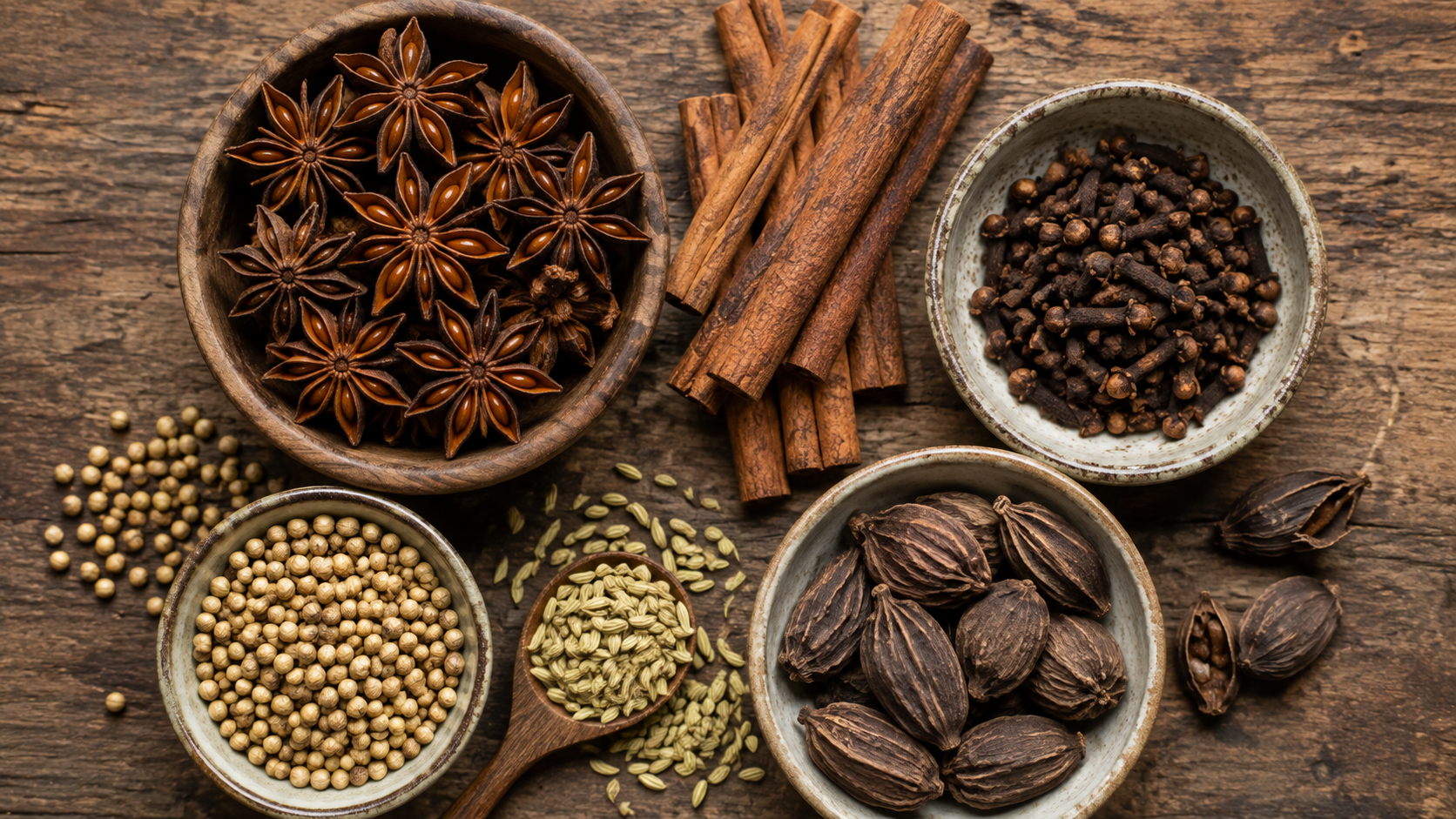
3. Whole Spices Build Layers of Aroma
When people smell a bowl of phở before tasting it, much of that distinctive aroma comes from spices.
Common phở spices can include:
- Star anise
- Cinnamon
- Cloves
- Coriander seeds
- Fennel seeds
- Black cardamom
Recipes vary considerably between regions, restaurants, and families.
The spices are often lightly toasted before being added to the broth.
Toasting helps release aromatic compounds and produces a stronger fragrance.
But Vietnamese broth is also about restraint.
Adding too much star anise or cinnamon, for example, can easily overwhelm the meat and turn a balanced broth into something dominated by spice.
A good Vietnamese broth allows you to notice the spices without letting any single spice take over.
4. The Broth Is Simmered Slowly
Great broth requires patience.
Vietnamese broth is generally cooked at a controlled simmer rather than being violently boiled for the entire cooking process.
Slow cooking allows flavor to gradually move from bones, meat, vegetables, and spices into the liquid.
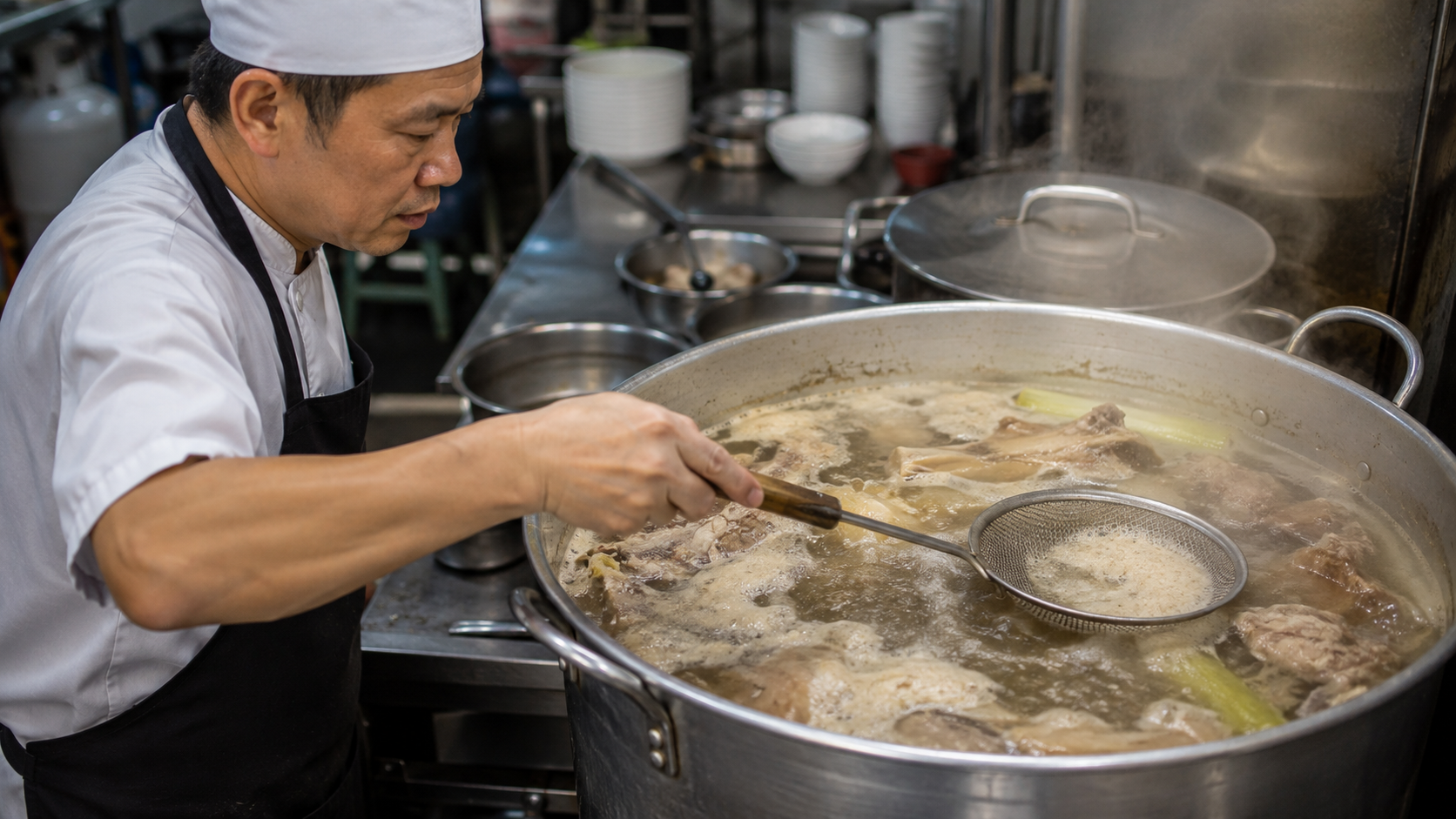
Cooks also regularly remove foam, impurities, and excess fat that rise to the surface.
This is particularly important when making clear noodle soups.
The objective is to achieve something that may sound contradictory:
a broth that is rich in flavor but still tastes clean.
That contrast is one of the defining characteristics of excellent Vietnamese noodle soup.
A Vietnamese cook removing foam and impurities from a slowly simmering pot of traditional bone broth.
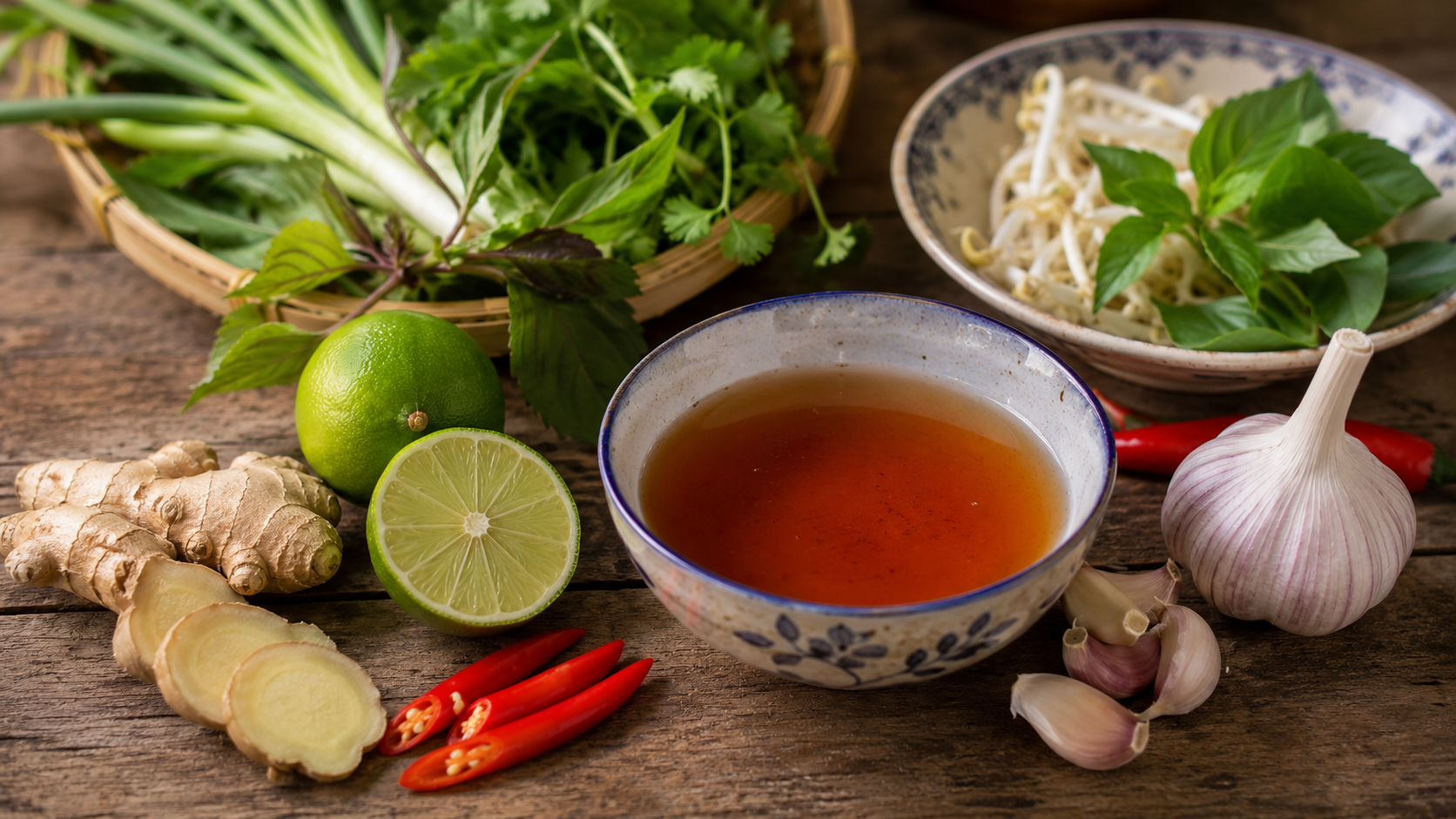
5. Fish Sauce Adds Powerful Umami
Fish sauce is one of the most important ingredients in Vietnamese cuisine.
Made from fermented fish and salt, nước mắm provides saltiness as well as deep savory umami.
In broth, however, fish sauce is usually not supposed to dominate.
The right amount can make the broth taste fuller and more complex without making the finished soup taste strongly of fish sauce.
This illustrates an important principle of Vietnamese cooking.
Individual ingredients are often powerful, but they are used to create balance rather than dominance.
Salt, fish sauce, natural sweetness from bones and aromatics, spices, and other seasonings all work together.
6. Every Vietnamese Broth Has Its Own Personality
There is no single recipe called “Vietnamese broth.”
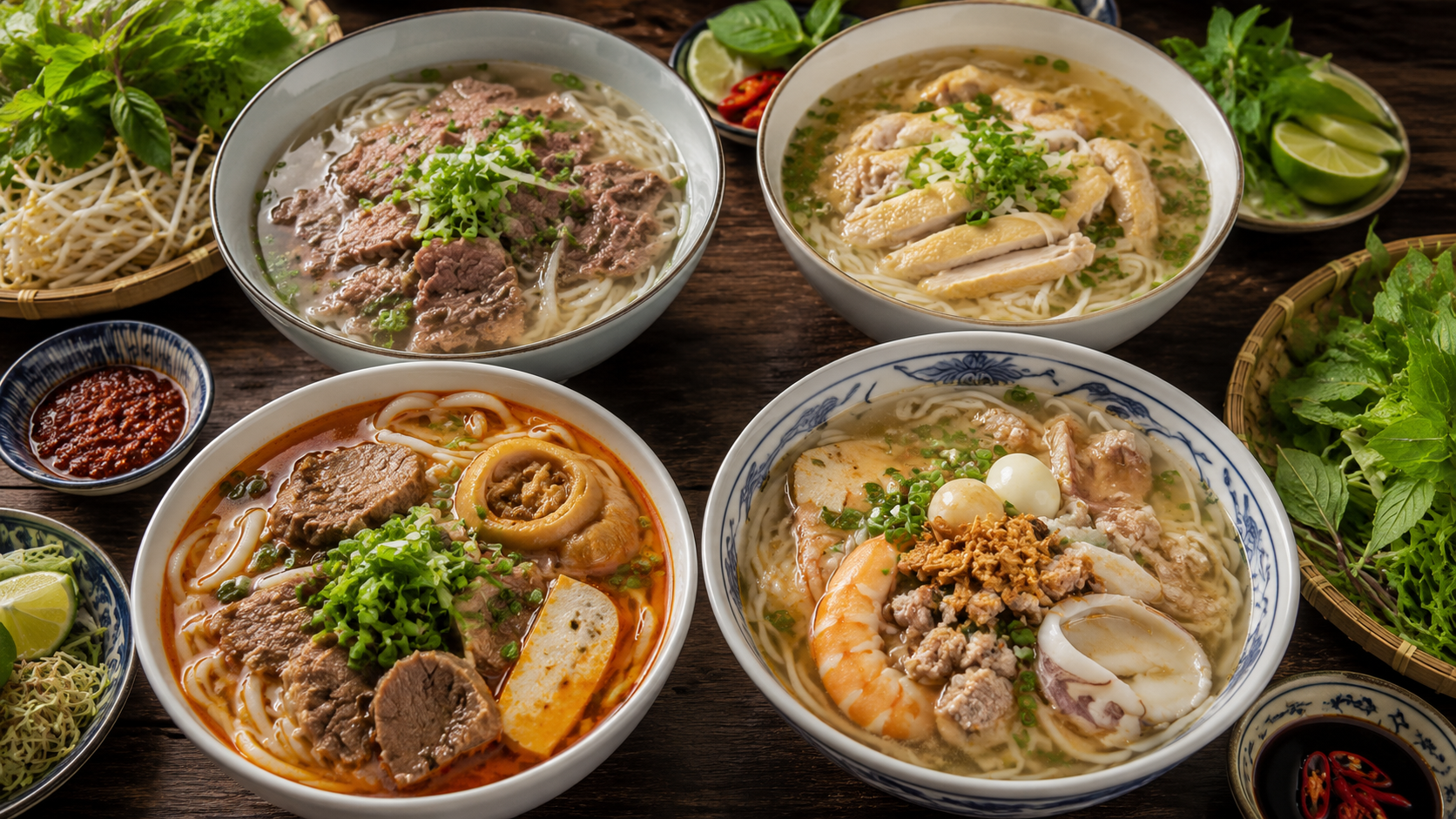
Vietnam has an enormous variety of noodle soups, and each one approaches broth differently.
Phở bò is typically aromatic and beef-forward, with recognizable warm spices.
Phở gà tends to be lighter and cleaner, highlighting the natural flavor of chicken.
Bún bò Huế is completely different. Its broth is stronger, often spicy, and famously associated with lemongrass and fermented shrimp paste.
Hủ tiếu can feature pork bones and seafood flavors, often producing a noticeably sweeter and lighter broth.
Regional traditions matter too.
The same dish may taste different in Hanoi, Huế, Ho Chi Minh City, or elsewhere in Vietnam.
That diversity is part of what makes exploring Vietnamese noodle soups so interesting.
7. Fresh Ingredients Finish the Flavor at the Table
Vietnamese broth does not work alone.
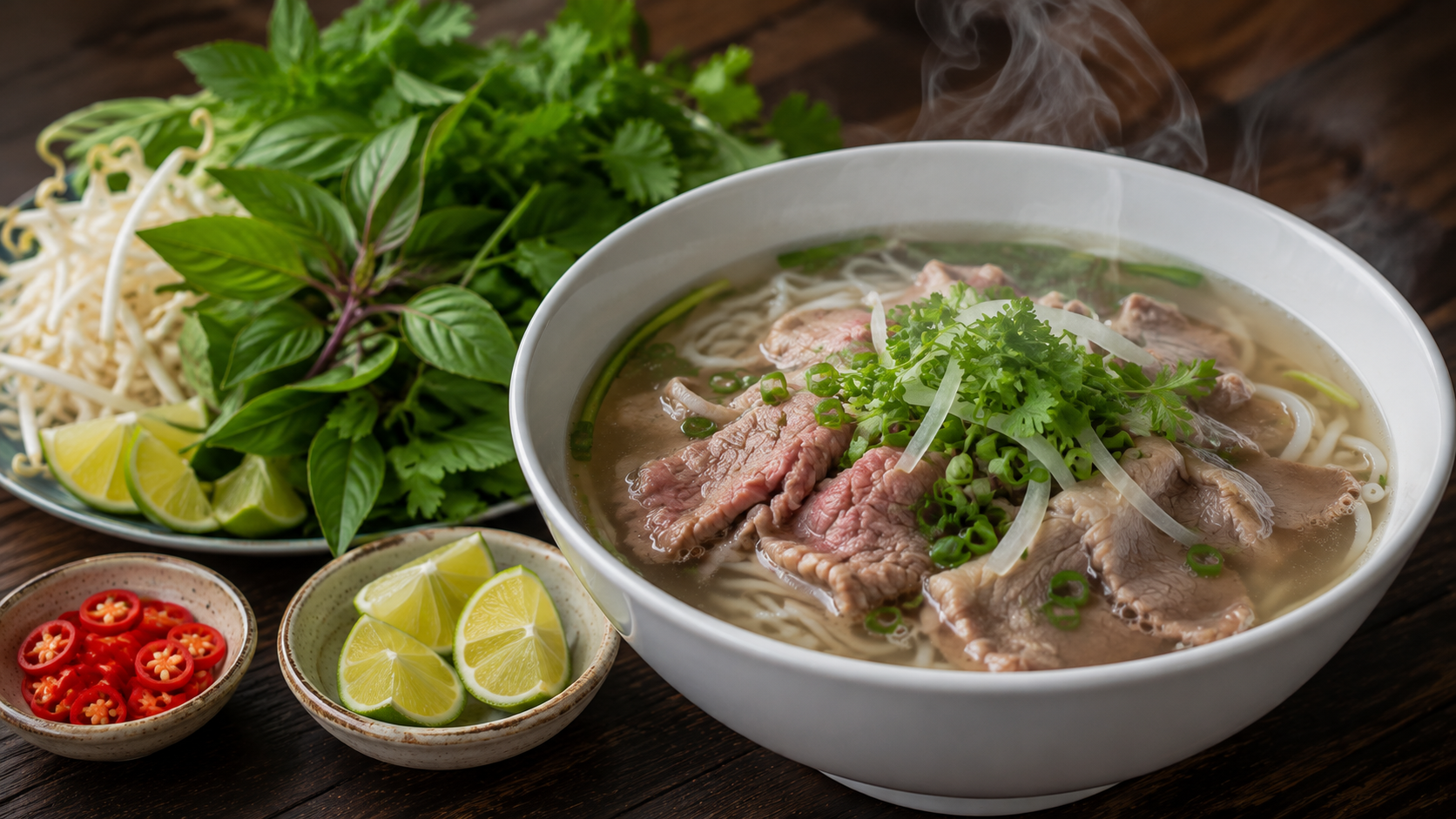
One of the most distinctive characteristics of Vietnamese noodle soup is the relationship between the broth and the fresh ingredients added before serving or directly at the table.
Depending on the dish and region, these may include:
- Scallions
- Cilantro
- Thai basil
- Bean sprouts
- Lime
- Fresh chili
- Sliced onion
- Sawtooth coriander
- Other Vietnamese herbs
A squeeze of lime can introduce acidity.
Fresh chili adds heat.
Herbs contribute fragrance.
Bean sprouts can provide freshness and texture.
This means the final flavor of a Vietnamese noodle soup is created through several layers: the broth developed in the kitchen and the fresh ingredients that complete the bowl.
Why Does Vietnamese Broth Taste So Different?
The secret of Vietnamese broth is not simply cooking bones for a long time.
It comes from layering flavors carefully.
Bones provide the foundation. Charred onion and ginger create sweetness and roasted aromas. Whole spices add fragrance. Fish sauce contributes umami. Slow simmering brings everything together.
Finally, fresh herbs, citrus, and chili introduce flavors that cannot be created through long cooking.
The result is a style of broth that can be simultaneously:
light, savory, aromatic, slightly sweet, fresh, and deeply satisfying.
That balance is one of the reasons Vietnamese noodle soups have become popular far beyond Vietnam.
Final Thoughts
The next time you eat a bowl of phở or another Vietnamese noodle soup, try tasting the broth before adding any sauces.
Notice the natural sweetness.
Look for the aroma of ginger and onion.
See if you can identify star anise, cinnamon, or other spices.
Then add some fresh herbs, a squeeze of lime, or a little chili and taste it again.
A simple-looking bowl of Vietnamese soup can represent hours of preparation and generations of cooking knowledge.
And that may be the biggest secret behind Vietnamese broth:
great Vietnamese broth is not about making one flavor as strong as possible. It is about making many different flavors work together.
5 Best Places to Visit in Da Nang for Food & Relaxation (2026 Guide)