Vietnamese Cinnamon: What Makes Saigon Cinnamon Special
Vietnamese cinnamon, often sold internationally as Saigon cinnamon, is one of the spices behind the warm aroma of Vietnamese noodle soups and braised dishes. It is not the same as the mild cinnamon many travelers know from pastries: its flavor can be noticeably bold, so a small piece goes a long way.
If you have seen bundles of cinnamon bark at a Vietnamese market and wondered what to buy—or how to cook with them—this guide explains the differences, common uses, and practical shopping tips without requiring a complicated recipe.
What Is Vietnamese Cinnamon?
Cinnamon comes from the bark of trees in the Cinnamomum genus. Vietnamese cinnamon is commonly associated with Cinnamomum loureiroi, a species native to Vietnam. The name “Saigon cinnamon” is a trade name; it does not mean the bark was grown in Ho Chi Minh City. Packaging may use the words Vietnamese cinnamon, Saigon cinnamon, or simply cassia, so check the product label when the variety matters.
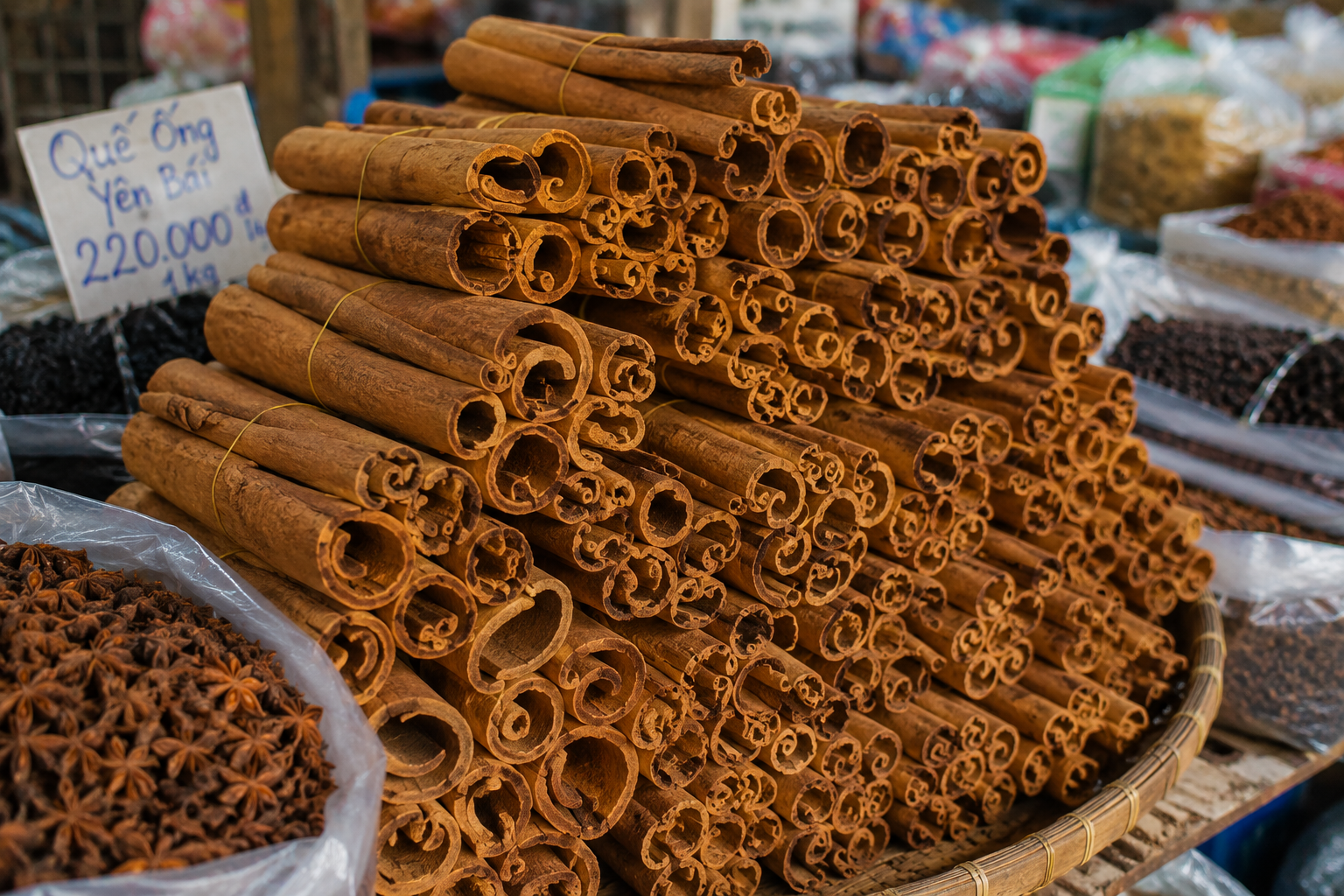
Compared with delicate Ceylon cinnamon, Vietnamese-style cassia generally has a fuller, more assertive aroma. Whole sticks often look like thick, tightly curled pieces of bark rather than many thin, papery layers. Flavor and appearance can still vary by producer, age, and storage.
In Vietnamese, cinnamon is called quế. You might see quế thanh for cinnamon sticks and bột quế for ground cinnamon. Those words are useful when shopping or asking a vendor what is inside a packet.
Why Cinnamon Matters in Vietnamese Cooking
Cinnamon is usually a supporting spice rather than a topping. It adds a warm, sweet-smelling note to savory broth and long-simmered dishes, working alongside ingredients such as star anise, cloves, ginger, and onion. You may notice the fragrance even when you cannot identify cinnamon by taste.
In phở broth
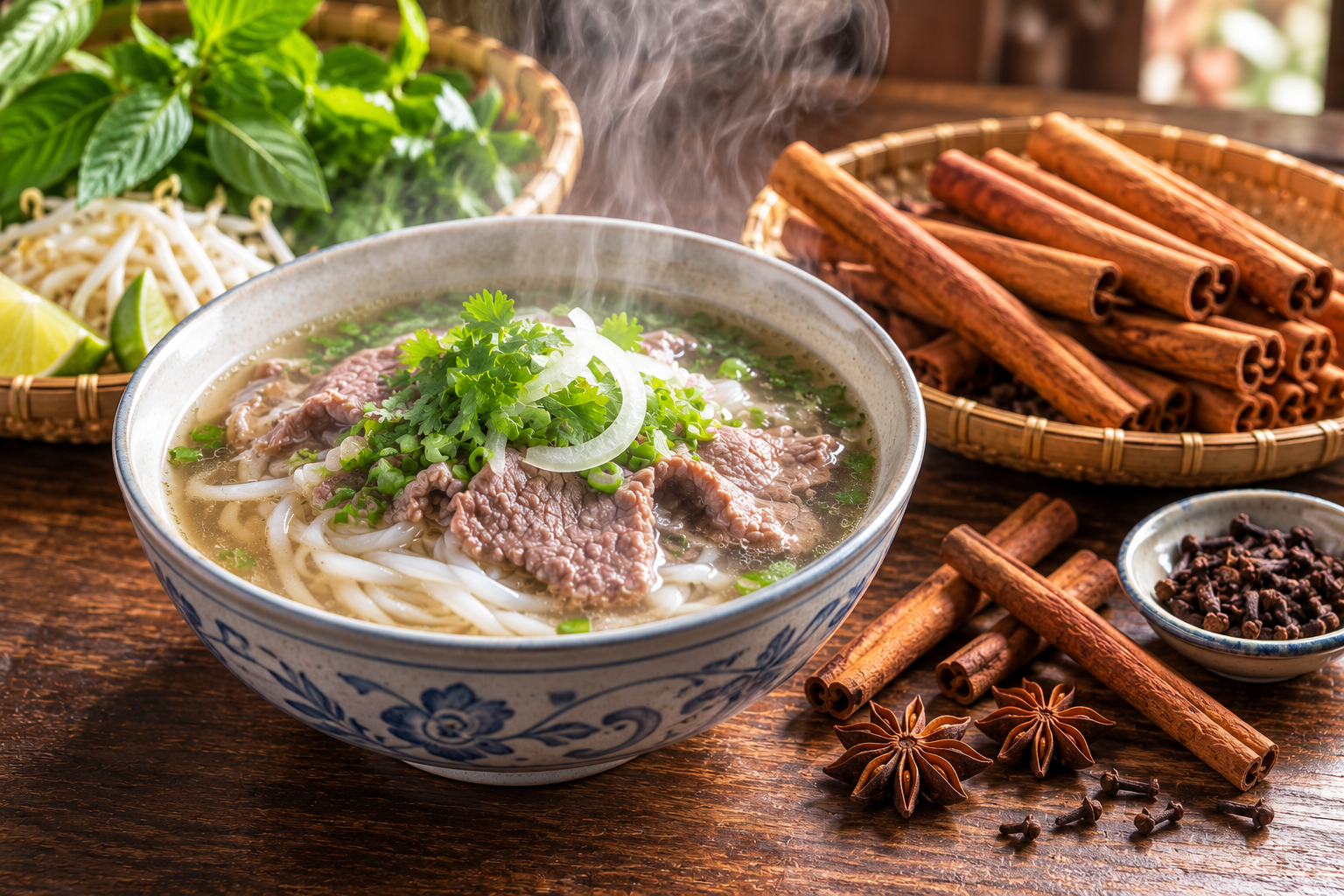
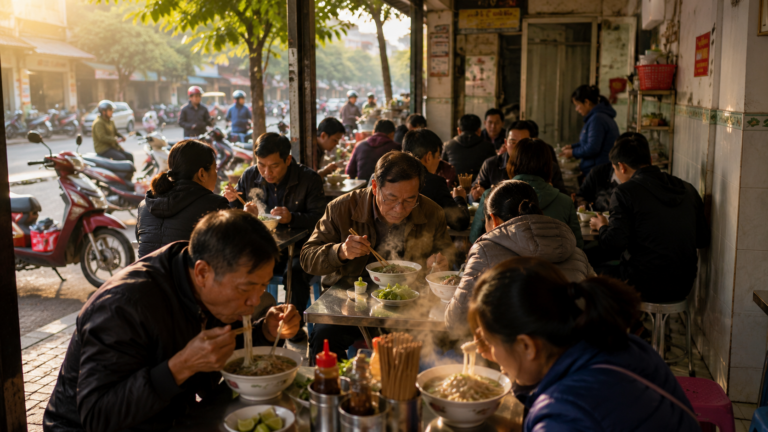
Some versions of phở bò (beef noodle soup) use a small amount of cinnamon with other aromatics. Cooks may toast whole spices briefly before simmering them in stock, then strain them out. Not every household or restaurant uses the same blend, and northern and southern styles are not identical.
If you are curious about how a soup gets its layered aroma, read our guide to Vietnamese broth flavors. Cinnamon is only one part of that picture: the quality of the stock and the way the aromatics are balanced matter just as much.
In braised dishes
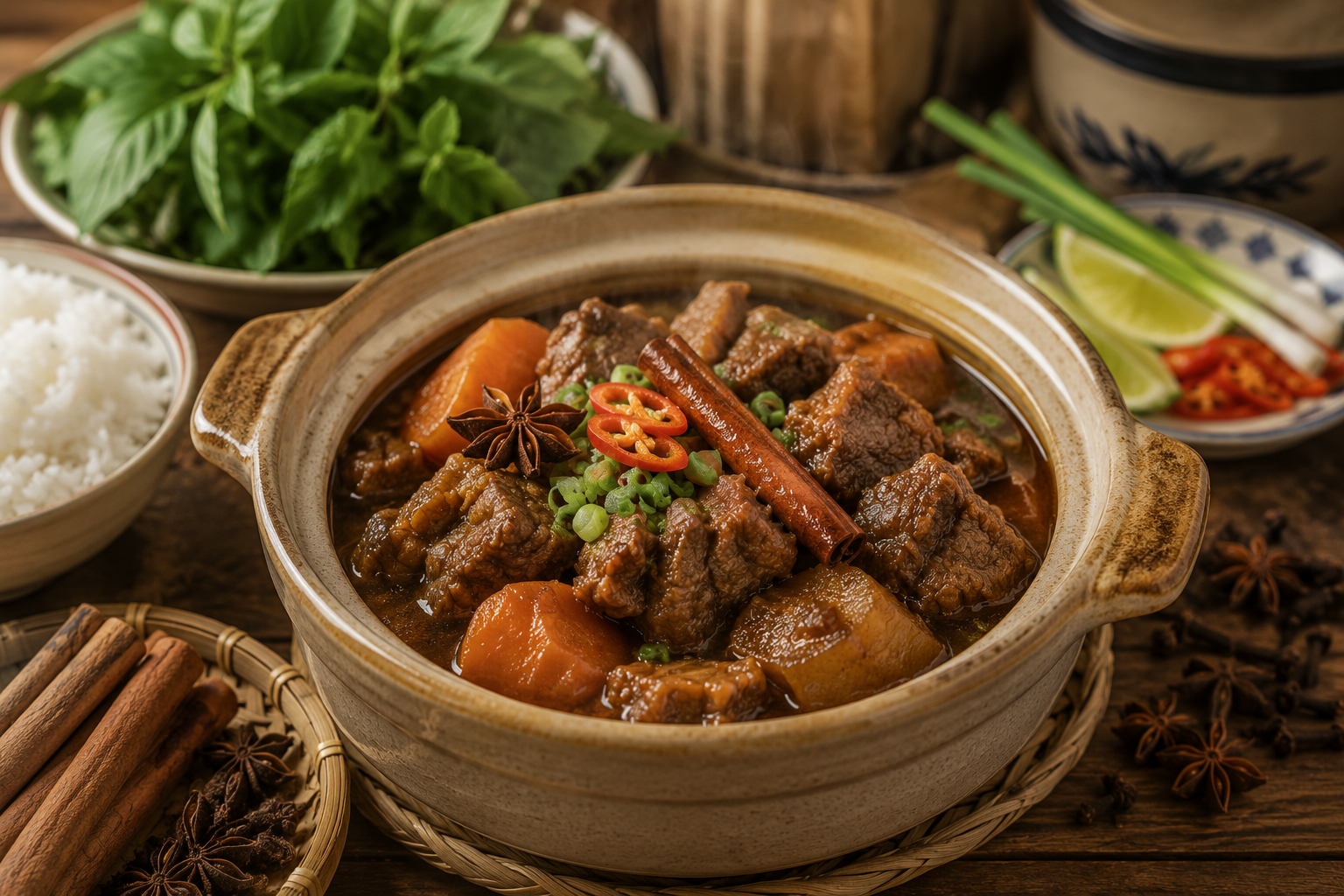
Cinnamon also appears in some versions of bò kho, a Vietnamese beef stew. Its warmth works with lemongrass, star anise, and other seasonings while the beef slowly becomes tender. The goal is a rounded, savory aroma—not a dish that tastes like cinnamon candy.
In everyday cooking
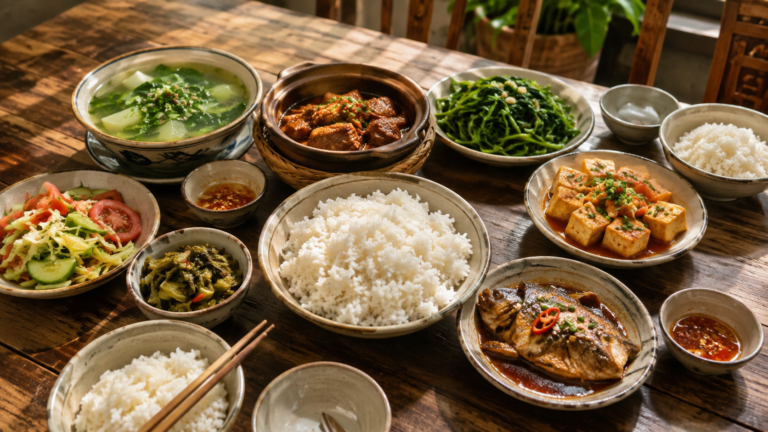
Not every Vietnamese dish contains cinnamon. Fresh herbs, fish sauce, chilies, and citrus are often much more visible at the table. Cinnamon is most useful in dishes that have time to simmer and absorb its aroma; sprinkling ground cinnamon on finished rice or noodles is not a typical substitute.
For another foundational ingredient, see how Vietnamese fish sauce is used in cooking. It plays a different role—seasoning and savoriness rather than aromatic warmth.
How to Use Vietnamese Cinnamon at Home
Whole cinnamon bark gives you more control than adding a spoonful of powder to a savory broth. For a first attempt, keep the quantity small and taste as you cook. The aim is to learn how the spice changes the aroma without overpowering the other ingredients.
- Start with a small piece. Add a short piece of cinnamon bark to a pot of beef broth or stew, especially if you are already using star anise or ginger.
- Warm whole spices gently. Some recipes call for briefly toasting them in a dry pan before adding them to liquid. Stop before they scorch.
- Simmer, then remove. Let the bark flavor the liquid while it cooks; take out the whole spices before serving, as you would a bay leaf.
- Adjust on your next batch. If cinnamon dominates the dish, use less next time. Different brands and batches vary in strength.
For a familiar starting point, try it in a slowly simmered beef soup or stew instead of experimenting with delicate seafood dishes. Whole sticks are also easier to remove if you decide the aroma is strong enough.
Where to Buy Vietnamese Cinnamon
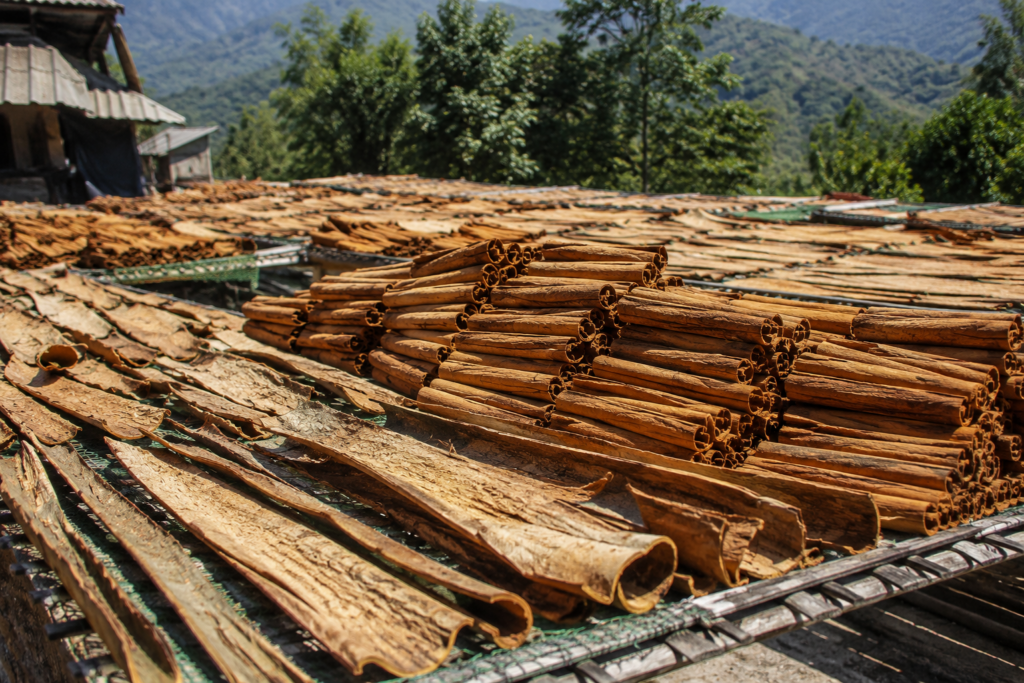
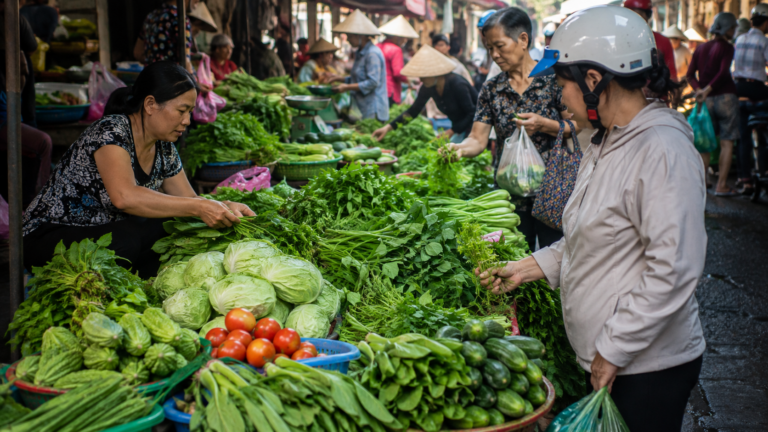
You can look for cinnamon in Vietnamese markets, supermarkets, and dedicated spice shops. Markets can be interesting places to compare the smell and appearance of whole bark, while sealed retail packs may offer clearer labeling and more convenient transport.
When choosing a product, pay attention to the details below rather than assuming every packet labeled “Saigon cinnamon” comes from the same farm or grade.
- Check the label. Look for the producer, ingredients, origin, and packaging date when available.
- Inspect the bark. Choose clean, dry pieces without obvious dampness, mold, or insect damage.
- Compare the aroma. If the vendor permits it, smell a sample; fragrant bark should not smell musty.
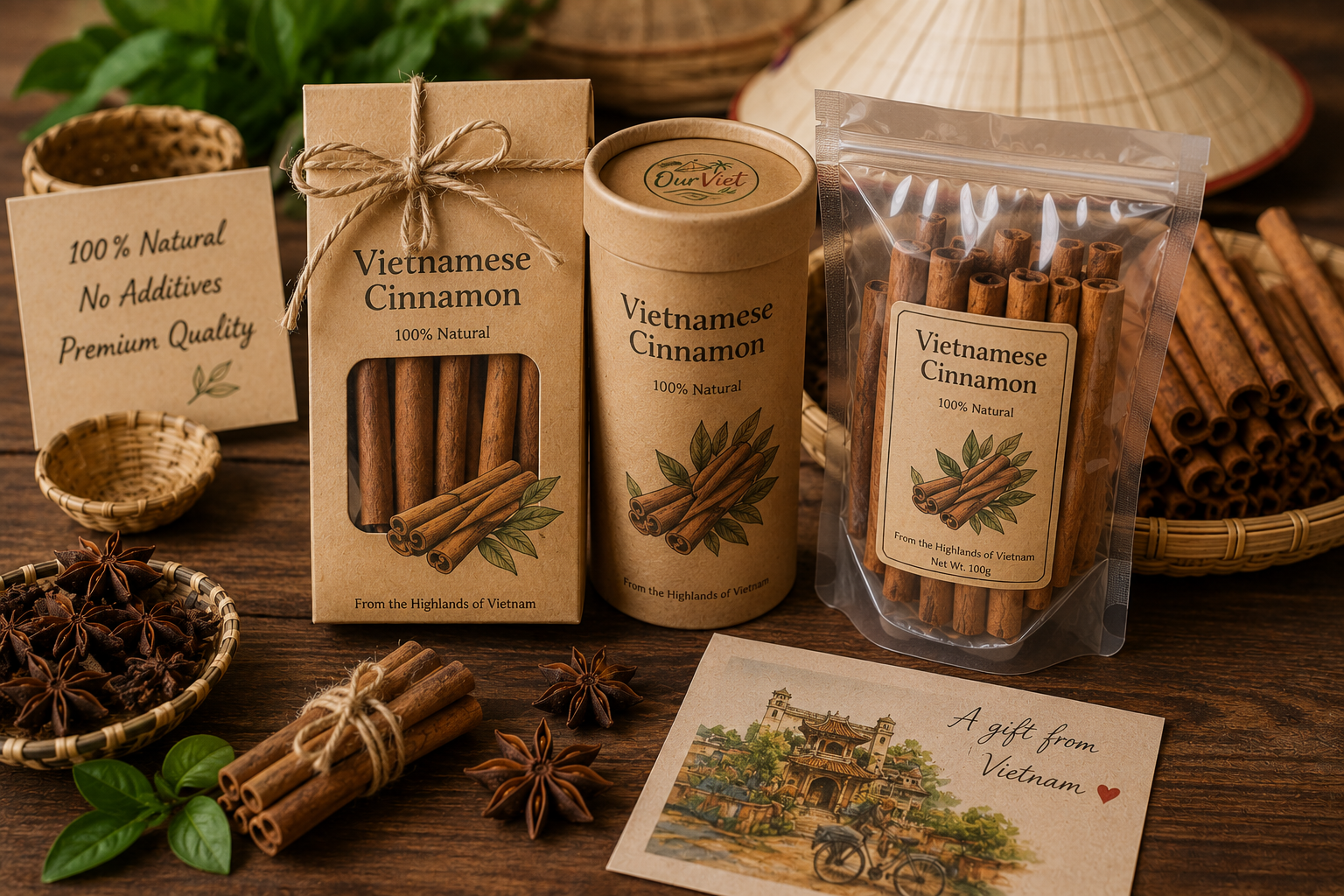
- Buy for your purpose. Whole sticks are practical for broth and gifts; ground cinnamon is convenient for baking but is harder to assess by sight.
For a broader look at buying food ingredients, see our Vietnamese local market guide and fresh-ingredient shopping tips. They explain the shopping context rather than promising a particular vendor or price.
Storage and Taking Cinnamon Home
Keep cinnamon in a sealed container in a dry, cool cupboard, away from steam and direct sunlight. Whole bark generally holds its aroma better than pre-ground powder, but both gradually lose fragrance over time. If a package develops moisture or an unusual smell, do not use it.
If you want to take cinnamon out of Vietnam, a commercially sealed pack with a clear label is a sensible choice. Check the customs and agricultural import rules of your destination country before traveling; rules for plant products differ, and a shop’s assurance is not a substitute for official guidance.
A Brief Note on Health Claims
Cinnamon is a food spice, not a proven treatment for diabetes or other medical conditions. Cassia-type cinnamon can contain coumarin, and consuming unusually large amounts or taking concentrated supplements may create additional risks, particularly for people with liver disease. Normal culinary use is a different situation from taking large daily doses.
For a balanced overview, consult the U.S. National Center for Complementary and Integrative Health’s cinnamon guidance. For the botanical background, see Kew Science’s record for Cinnamomum loureiroi.
Frequently Asked Questions
Is Saigon cinnamon the same as Vietnamese cinnamon?
The names are commonly used interchangeably in shops, often for a strongly aromatic cassia-type cinnamon associated with Vietnam. Because commercial naming can be inconsistent, check the species and origin on the package if you need a specific variety.
Does every bowl of phở contain cinnamon?
No. Cinnamon is a traditional option in some spice blends, especially for beef broth, but recipes vary widely. The exact balance depends on the cook and regional preferences.
Should I buy cinnamon sticks or powder?
Choose sticks for simmered soups and stews because they are easy to remove. Powder is more convenient for baking and drinks. For souvenirs, sealed sticks are often easier to identify and assess visually.
Can I bring cinnamon through airport customs?
Possibly, but it depends on the destination’s rules for dried plant products. Keep the original packaging and verify requirements with the destination country’s official customs or agricultural authority before departure.
The Bottom Line
Vietnamese cinnamon is worth noticing because it shows how a small amount of spice can change a savory dish. Try smelling whole bark at a market, learn the word quế, and start with a little when cooking. The most useful lesson is not that every Vietnamese dish contains cinnamon, but how carefully it is balanced with the rest of the ingredients.

Thx