15 Best Vietnamese Desserts You Need to Try
Vietnam is famous for dishes like phở, bánh mì, and fresh spring rolls, but the country’s desserts deserve just as much attention.
Vietnamese desserts are surprisingly diverse. Some are cool and refreshing, filled with coconut milk and tropical fruits, while others are warm, sticky, creamy, or lightly sweet. You will find them everywhere from street stalls and traditional markets to small dessert shops and modern cafés.
One thing that often surprises first-time visitors is that Vietnamese desserts are usually less sweet than many Western desserts. Ingredients such as mung beans, sticky rice, coconut milk, tropical fruits, jelly, and even tofu are commonly used.
If you have a sweet tooth—or simply want to explore another side of Vietnamese food—here are 15 Vietnamese desserts you should try during your trip.
1. Chè Ba Màu – Three-Color Dessert
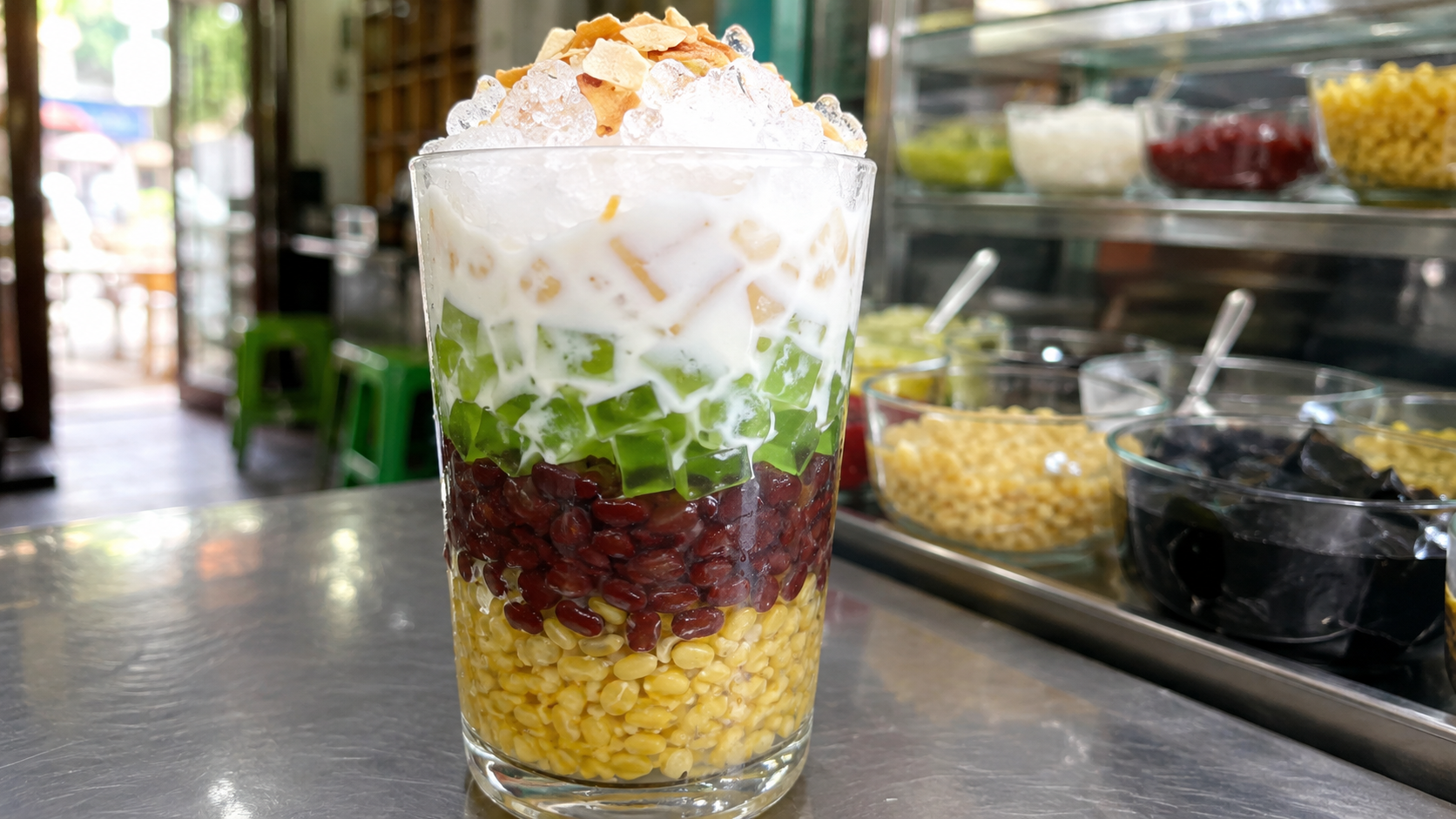
One of the most colorful Vietnamese desserts is chè ba màu, literally meaning “three-color dessert.”
It usually consists of layers of mung beans, sweet red beans, green jelly, coconut milk, and crushed ice. The colorful ingredients are served separately in the glass, but locals usually mix everything together before eating.
The result is creamy, chewy, slightly sweet, and extremely refreshing on a hot day.
You will often find chè ba màu at dedicated chè shops and street stalls throughout Vietnam.
What it tastes like: Sweet, creamy, refreshing, and slightly chewy.
Traveler tip: Mix everything thoroughly before taking your first spoonful.
2. Bánh Flan – Vietnamese Crème Caramel
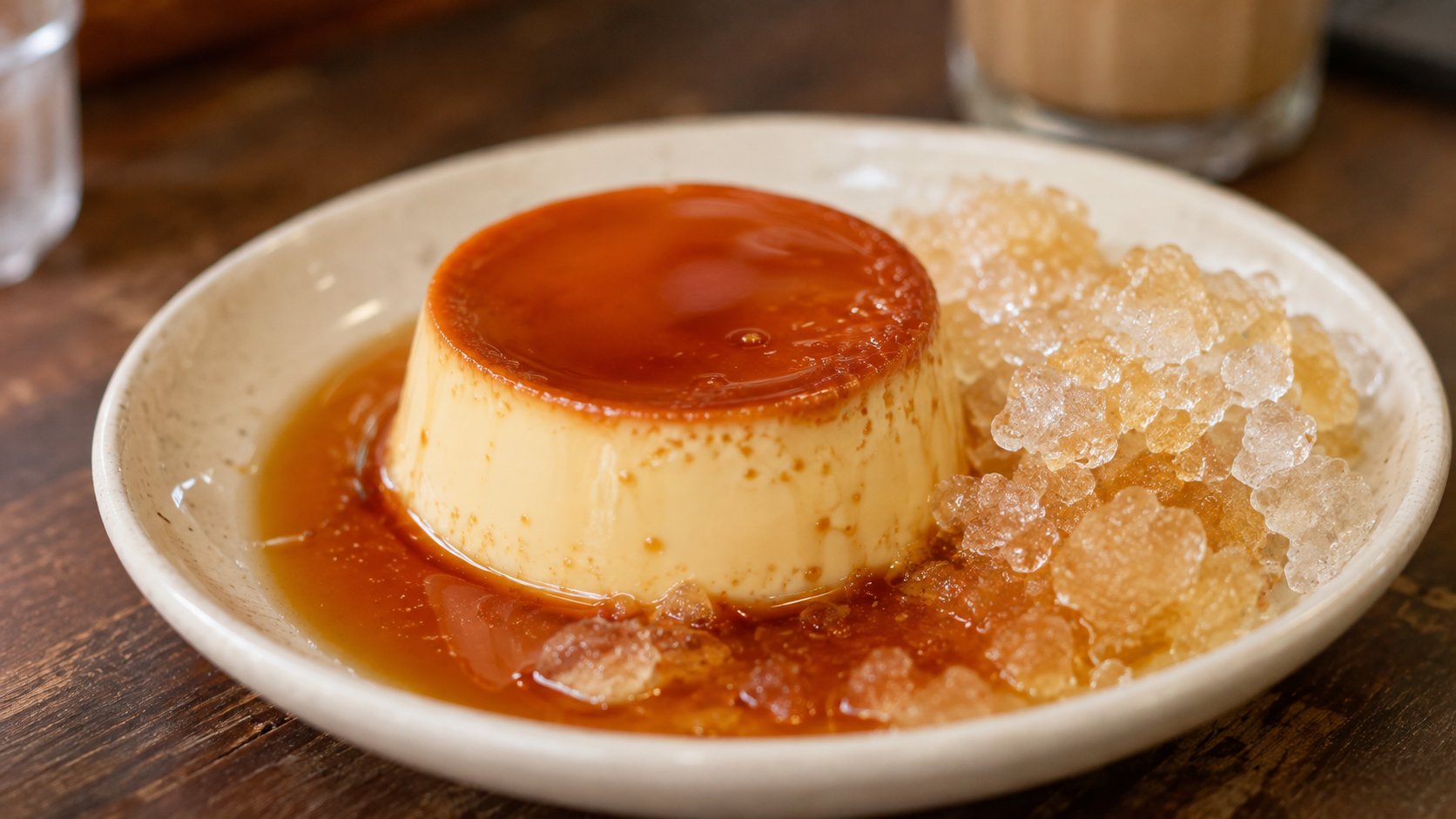
Bánh flan shows the lasting influence of French cuisine in Vietnam.
Similar to crème caramel, it is made from eggs, milk, sugar, and caramel. Vietnamese versions are often served with crushed ice and sometimes a little coffee poured over the top.
The texture should be smooth and silky, while the slightly bitter caramel balances the sweetness of the custard.
It is especially popular as an inexpensive afternoon snack.
What it tastes like: Creamy, silky, sweet, with a slightly bitter caramel flavor.
Traveler tip: If you love Vietnamese coffee, look for bánh flan served with a splash of strong coffee.
3. Chè Trôi Nước – Glutinous Rice Balls in Ginger Syrup
Chè trôi nước is a traditional Vietnamese dessert consisting of soft glutinous rice balls filled with mung bean paste.
The rice balls are served in a warm syrup flavored with ginger and are often topped with coconut cream and sesame seeds.
The contrast between chewy rice dough, savory mung bean filling, sweet syrup, and spicy ginger makes this dessert particularly distinctive.
It is also associated with Vietnamese family traditions and special occasions.
What it tastes like: Warm, chewy, sweet, slightly savory, and fragrant with ginger.
Traveler tip: This is a great dessert to try if you prefer warm sweets rather than iced desserts.
4. Bánh Chuối – Vietnamese Banana Cake
Vietnamese banana cake comes in several forms, but one of the most popular is bánh chuối nướng, or baked banana cake.
Ripe bananas are combined with ingredients such as bread, coconut milk, sugar, and sometimes condensed milk before being baked until the outside becomes golden.
Unlike a fluffy Western-style banana cake, Vietnamese bánh chuối is usually dense, moist, and rich in banana flavor.
Some versions are served warm with coconut sauce.
What it tastes like: Soft, moist, naturally sweet, and rich in banana and coconut flavors.
Traveler tip: Try it warm if possible—the banana aroma becomes much stronger.
5. Chè Bắp – Sweet Corn Pudding
Chè bắp is a simple dessert that shows how Vietnamese cuisine can transform everyday ingredients into something memorable.
Fresh corn kernels are slowly cooked until tender and slightly thickened. The dessert is then topped with rich coconut cream.
The natural sweetness of fresh corn means chè bắp usually does not need to be overwhelmingly sugary.
It is particularly associated with Central Vietnam, and travelers visiting Hội An or Huế will often encounter it.
What it tastes like: Lightly sweet, creamy, and naturally fragrant with corn.
Traveler tip: This is a good choice if you prefer desserts that are not overly sweet.
6. Bánh Da Lợn – Steamed Layer Cake
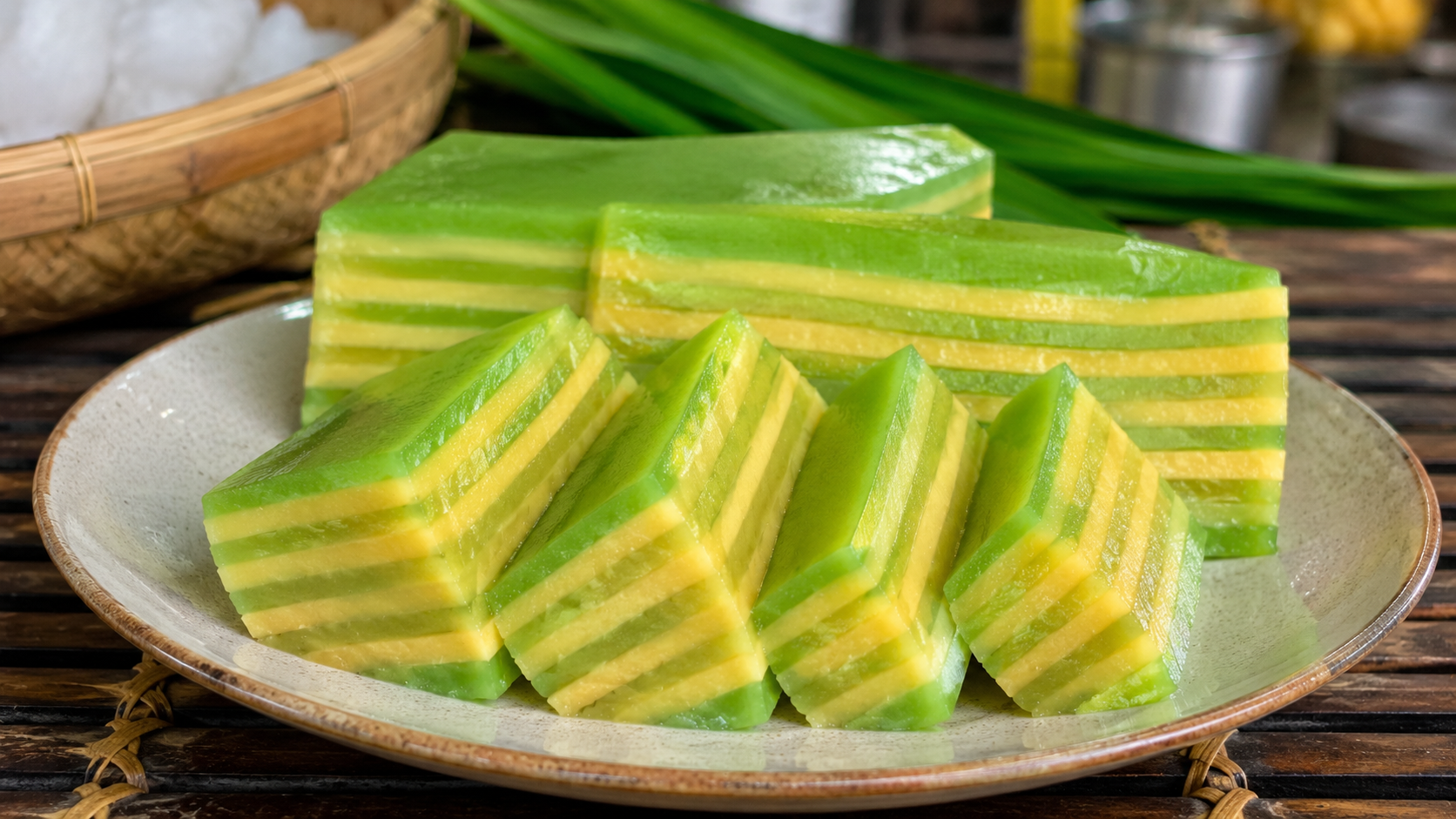
Despite its unusual name, which literally translates to “pig skin cake,” bánh da lợn contains no pig skin.
The name refers to its soft, slightly elastic texture.
This colorful steamed cake is traditionally made with tapioca starch, mung beans, coconut milk, sugar, and pandan.
The alternating green and yellow layers give bánh da lợn its recognizable appearance.
It is chewy rather than fluffy and is commonly sold at markets and traditional bakeries.
What it tastes like: Chewy, mildly sweet, creamy, with a fragrant pandan aroma.
Traveler tip: Eat the layers together rather than peeling them apart—although doing that is admittedly part of the fun.
7. Tào Phớ – Silken Tofu Dessert
Tofu might not be the first ingredient that comes to mind when thinking about dessert, but tào phớ can change that.
Soft silken tofu is served with sweet syrup, traditionally flavored with ginger or jasmine.
Depending on the region and vendor, modern versions may include coconut milk, jelly, tapioca pearls, or other toppings.
The tofu is incredibly delicate and almost melts in your mouth.
What it tastes like: Very soft, light, gently sweet, and refreshing.
Traveler tip: It is an excellent option after a heavy meal because it feels much lighter than cakes or pastries.
8. Chè Đậu Xanh – Sweet Mung Bean Dessert
Mung beans appear frequently in Vietnamese sweets, and chè đậu xanh is one of the simplest ways to enjoy them.
The beans are cooked until extremely soft and combined with sugar to create a smooth or slightly textured dessert.
Depending on the recipe, coconut milk may be added for extra richness.
It can be eaten warm or chilled.
What it tastes like: Mild, nutty, creamy, and gently sweet.
Traveler tip: Do not let the idea of beans in dessert put you off. Mung beans have a naturally mild flavor that works surprisingly well with sugar and coconut.
9. Xôi Xoài – Mango Sticky Rice
Vietnam has its own versions of mango served with sticky rice.
Sweet glutinous rice is paired with ripe tropical mango and rich coconut sauce, creating a simple dessert built around fresh ingredients.
While mango sticky rice is more strongly associated internationally with Thailand, variations are also enjoyed in Vietnam, particularly in modern dessert shops and southern regions where tropical fruit is abundant.
What it tastes like: Sweet, creamy, fruity, and slightly chewy.
Traveler tip: Mango quality makes a huge difference, so this dessert is best when mangoes are naturally ripe and fragrant.
10. Sữa Chua Nếp Cẩm – Yogurt with Black Sticky Rice
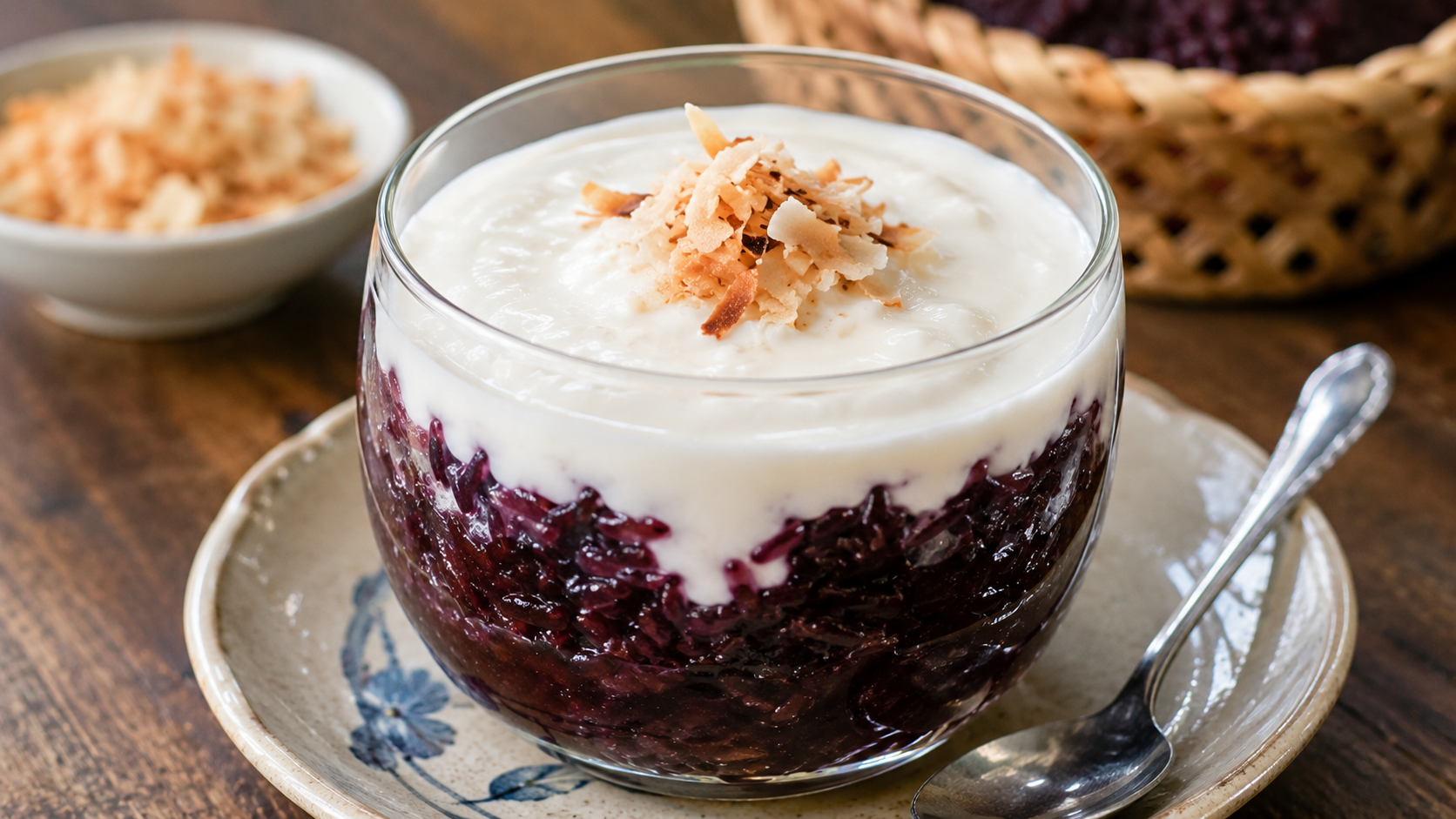
Sữa chua nếp cẩm combines two very different textures: smooth yogurt and chewy fermented black sticky rice.
The yogurt provides a slightly sour flavor that balances the sweetness and richness of the rice.
Its dark purple color also makes this one of Vietnam’s most visually distinctive desserts.
It is commonly served chilled.
What it tastes like: Creamy, tangy, mildly sweet, and chewy.
Traveler tip: This is particularly good if you normally find traditional Asian desserts too sweet.
11. Kem Dừa – Vietnamese Coconut Ice Cream
Few desserts make more sense in Vietnam’s tropical climate than coconut ice cream.
Kem dừa is often served inside a coconut shell and topped with ingredients such as toasted coconut, peanuts, coconut flakes, or sweet sticky rice.
Some versions are simple, while others arrive loaded with toppings.
Either way, the fresh coconut aroma is the star.
What it tastes like: Cold, creamy, nutty, and strongly coconut-flavored.
Traveler tip: This is a perfect dessert after walking around in Vietnam’s afternoon heat.
12. Chè Khúc Bạch – Almond Panna Cotta Dessert
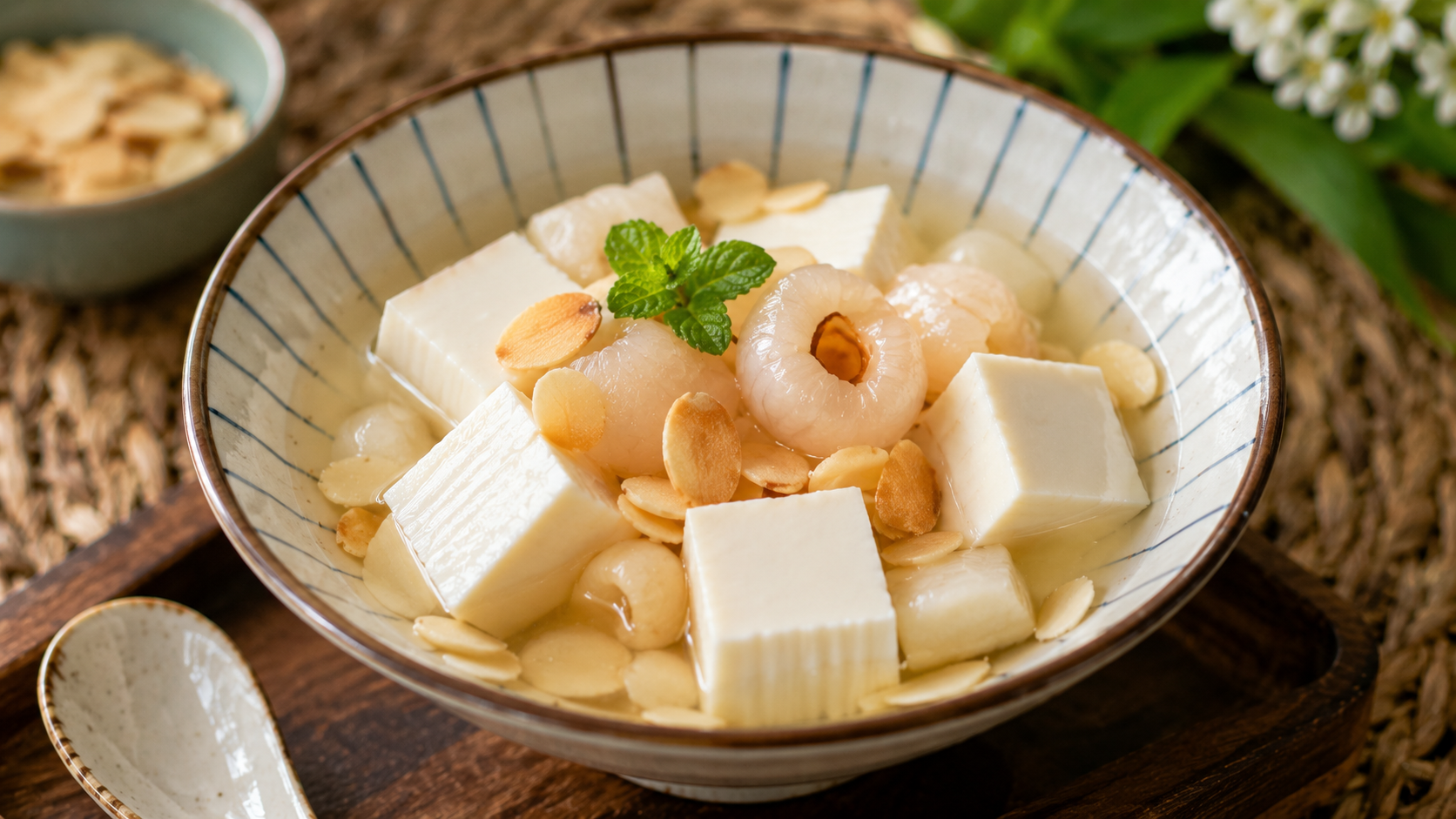
Chè khúc bạch is a relatively modern Vietnamese dessert that became extremely popular in dessert shops.
Soft cubes resembling panna cotta are served in a light sweet syrup with lychee or longan and sliced almonds.
Unlike heavier coconut-based chè, the syrup is usually light and refreshing.
The combination of creamy jelly, juicy fruit, and crunchy almonds creates several textures in every spoonful.
What it tastes like: Light, creamy, fruity, and delicately sweet.
Traveler tip: Order this when you want something refreshing but do not want a dessert packed with crushed ice.
13. Bánh Bò – Vietnamese Honeycomb Cake
Bánh bò is recognizable by the tiny air pockets running through its interior, giving it a honeycomb-like texture.
Different varieties exist throughout Vietnam. Some are steamed, while others are baked.
Common ingredients include rice flour or tapioca starch, coconut milk, sugar, and yeast or another leavening ingredient. Pandan is frequently added to create a green color and fragrant aroma.
The texture is springy and pleasantly chewy.
What it tastes like: Mildly sweet, coconut-rich, fragrant, and chewy.
Traveler tip: Fresh bánh bò from a local market is usually much better than versions that have been sitting packaged for a long time.
14. Chè Sương Sa Hạt Lựu – Jelly and Coconut Dessert
If you enjoy desserts with lots of different textures, look for chè sương sa hạt lựu.
A typical bowl may contain colorful jelly, tapioca-based pieces, beans, coconut milk, and crushed ice.
Part of the appeal is that almost every spoonful feels slightly different.
It is particularly satisfying in southern Vietnam, where cold chè desserts are an everyday answer to the tropical heat.
What it tastes like: Cool, creamy, chewy, crunchy, and sweet.
Traveler tip: Like chè ba màu, this dessert is best after mixing all the ingredients together.
15. Chè Thái – Vietnamese-Style Fruit and Jelly Dessert
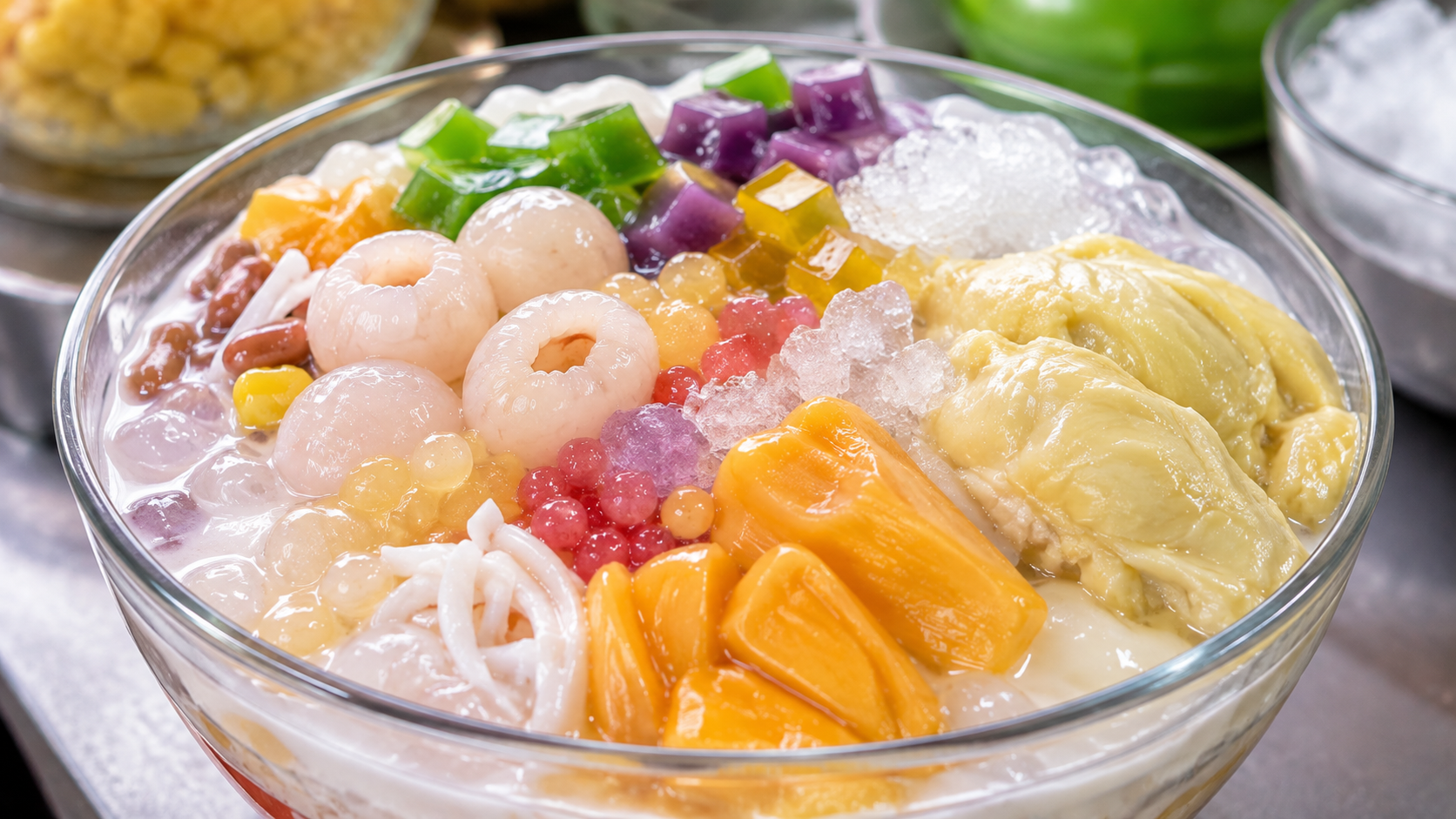
Despite the name, chè Thái has become a familiar part of Vietnam’s dessert scene.
It usually contains a colorful mixture of tropical fruits, jelly, coconut-based milk, and crushed ice. Durian is frequently added, giving the dessert its unmistakable aroma.
Depending on where you order it, you might find jackfruit, longan, lychee, palm seeds, or different flavored jellies inside.
What it tastes like: Rich, fruity, creamy, cold, and highly aromatic.
Traveler tip: Ask whether it contains durian if you are not a fan—the flavor can dominate the entire bowl.
What Is “Chè” in Vietnam?
You may have noticed that many Vietnamese desserts on this list begin with the word chè.
Chè does not refer to one specific recipe. Instead, it describes a broad family of Vietnamese sweet dishes.
Some versions resemble pudding, while others are closer to sweet soup or a drinkable dessert. They may contain beans, fruit, sticky rice, jelly, tapioca, coconut milk, or combinations of several ingredients.
Chè can also be served either hot or cold.
That variety is exactly why visiting a Vietnamese chè shop can be such a fun experience. A single shop may have a menu containing dozens of completely different combinations.
Where to Find Vietnamese Desserts
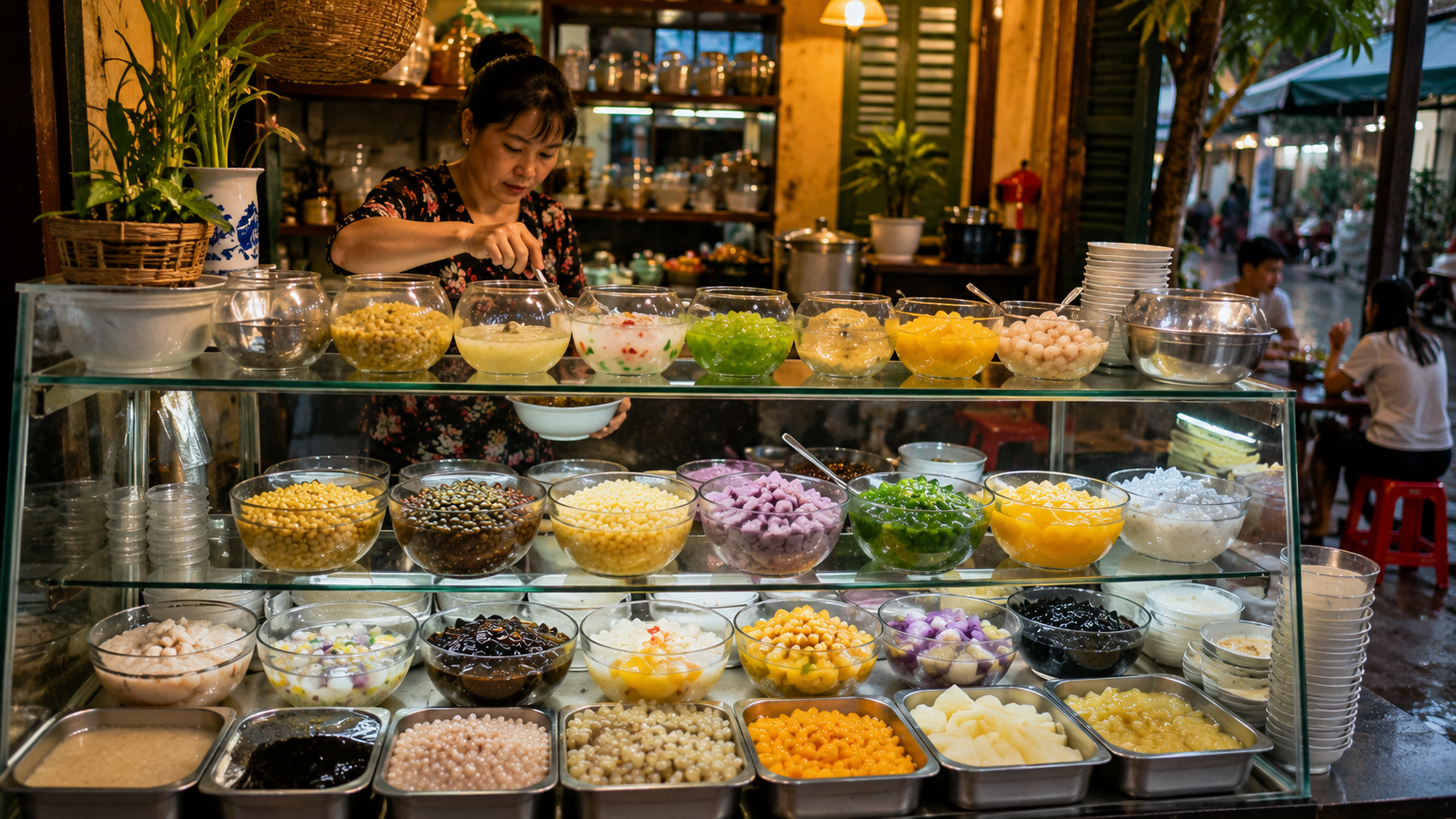
You do not need to visit an expensive restaurant to find excellent desserts in Vietnam.
Traditional markets are a great starting point, especially during the afternoon when snack and dessert vendors become busy.
Dedicated quán chè, or chè shops, are another excellent option. These shops often display colorful bowls of beans, jellies, fruits, and toppings behind a glass counter.
You can also find desserts at:
- Local markets
- Street food stalls
- Small family-run dessert shops
- Vietnamese bakeries
- Cafés
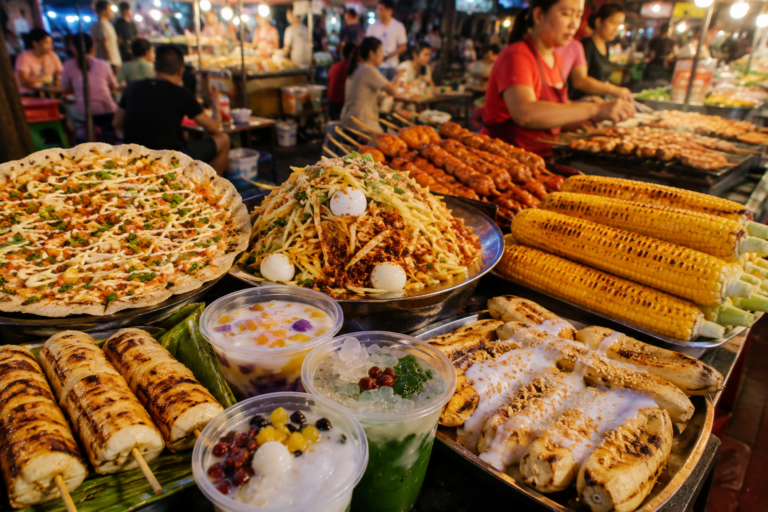
- Night markets
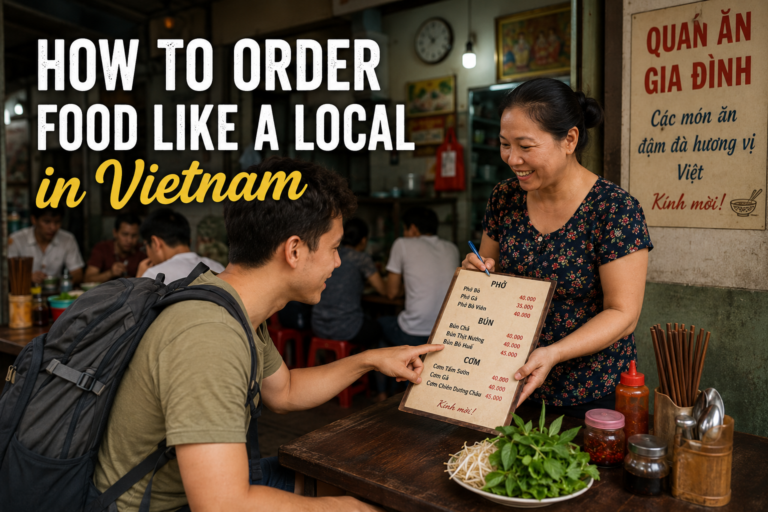
When searching on Google Maps, try terms such as “chè,” “quán chè,” “bánh ngọt,” or the name of the specific dessert you want to try.
Are Vietnamese Desserts Very Sweet?
Not necessarily.
Compared with many Western cakes, pastries, and candies, traditional Vietnamese desserts often rely on relatively simple sweetness combined with ingredients such as coconut milk, fruit, beans, rice, and aromatic herbs or spices.
Of course, sweetness varies considerably between vendors.
If you prefer less sugar, desserts such as tào phớ, chè bắp, sữa chua nếp cẩm, and chè khúc bạch are good places to start.
If you want something richer, try chè ba màu, kem dừa, bánh chuối, or chè Thái.
Final Thoughts
Vietnamese desserts are much more diverse than many travelers expect.
They can be hot or cold, creamy or chewy, simple or packed with colorful ingredients. More importantly, many of them use ingredients that rarely appear in Western desserts—from mung beans and sticky rice to pandan, tofu, tropical fruit, and coconut milk.
If you are visiting Vietnam for the first time, start with chè ba màu, bánh flan, bánh chuối, bánh da lợn, and sữa chua nếp cẩm. Together, they provide a good introduction to the different flavors and textures found in Vietnamese sweets.
And when you pass a busy local chè shop filled with colorful ingredients, do not worry if you cannot recognize everything behind the counter.
Pick something that looks interesting.
Discovering what is inside is part of the experience.
FAQ About Vietnamese Desserts
What is the most popular dessert in Vietnam?
There is no single national dessert, but different types of chè are among the most widely available traditional sweets in Vietnam. Bánh flan, bánh chuối, yogurt desserts, and various traditional cakes are also very popular.
What does chè mean in Vietnamese?
Chè refers to a broad category of sweet Vietnamese dishes. Depending on the recipe, it can resemble pudding, sweet soup, or an iced dessert filled with beans, fruit, jelly, sticky rice, and coconut milk.
Are Vietnamese desserts usually made with coconut milk?
Many are, particularly chè and desserts from central and southern Vietnam. However, plenty of Vietnamese desserts use little or no coconut milk.
Can I find Vietnamese desserts at night markets?
Yes. Night markets often have dessert stalls selling chè, ice cream, traditional cakes, fruit, and other sweets. Local markets and dedicated chè shops usually offer an even larger selection.
Which Vietnamese dessert should a first-time visitor try?
Chè ba màu is a great introduction because it combines several ingredients and textures commonly found in Vietnamese desserts. Bánh flan is another easy choice if you prefer something more familiar.
If you want to explore more of the country’s food culture, the official Vietnam Tourism website also offers a useful introduction to Vietnamese cuisine.
If you’re planning your trip around Vietnam, don’t stop at the food. Check out our guide to 5 Best Places to Visit in Da Nang for some of the city’s must-see attractions and experiences.