
Da Nang Travel Tips 2026: 15 Things to Know Before You Visit
These Da Nang travel tips for 2026 will help you plan a smoother Vietnam beach holiday, from airport transfers and weather to local food, cash and day trips. Da Nang is one of Vietnam’s easiest cities to enjoy, but a little preparation can make a big difference. Between its long beach, compact urban center, mountain viewpoints and nearby Hoi An, it is tempting to pack every day with activities. This practical guide covers the details that first-time visitors often overlook: weather, airport transfers, cash, transport, food, family travel and a realistic itinerary. Prices, schedules and entry rules can change, so verify important details before departure.
Da Nang travel tips: quick planning checklist
Before departure: confirm passport and entry rules; check the weather forecast; reserve your first transfer; save the hotel address; arrange phone data; bring a payment backup; keep one day flexible.
1. Pick your travel dates around the weather
Da Nang is warm much of the year, but beach conditions vary. March through May is often a comfortable period for outdoor sightseeing, while hot summer days call for shade and water breaks. Rain becomes more likely later in the year; heavy showers, storms and rough seas can disrupt plans, particularly around the autumn rainy season. Even official tourism sources describe the seasonal boundaries differently, so treat any “best month” chart as a guide rather than a guarantee. Check a short-range forecast immediately before booking boat trips or mountain excursions. Keep one flexible day in your itinerary.
2. Check your passport and visa rules early
Entry requirements depend on nationality, passport type and trip length. Some travelers qualify for visa-free entry; others need an electronic visa. Vietnam’s official e-visa system can issue visas for stays of up to 90 days, but that does not mean every visitor automatically gets 90 days on arrival. Apply only through the official immigration portal and double-check your name, passport number, arrival point and validity dates. Keep a digital copy and an accessible offline copy of your documents. Airlines may check your entry eligibility before boarding.
3. Arrange your airport transfer before you land
Da Nang International Airport is close to central Da Nang, but traffic and your exact hotel location affect the ride. Beachside accommodation takes longer than some central hotels, and Hoi An is a separate transfer. If you arrive late or travel with a baby, a prearranged car with the correct luggage capacity is convenient. Otherwise, use a reputable taxi counter or a ride-hailing app and check the vehicle’s plate number. Avoid accepting an unsolicited ride from someone claiming to represent your app booking. Allow additional time for departures during major events or storms.
4. Use ride-hailing apps thoughtfully
Grab and other available transport services can simplify short trips because the destination and estimated fare appear in the app. Confirm your pickup pin, especially near markets and large hotels with multiple entrances. Keep the name of your accommodation saved in Vietnamese. For a full-day excursion with several stops, a private driver may be more practical than repeatedly booking short rides. If using a motorbike, understand licensing and insurance requirements and wear a properly fitted helmet. Roads can be slippery after rain.
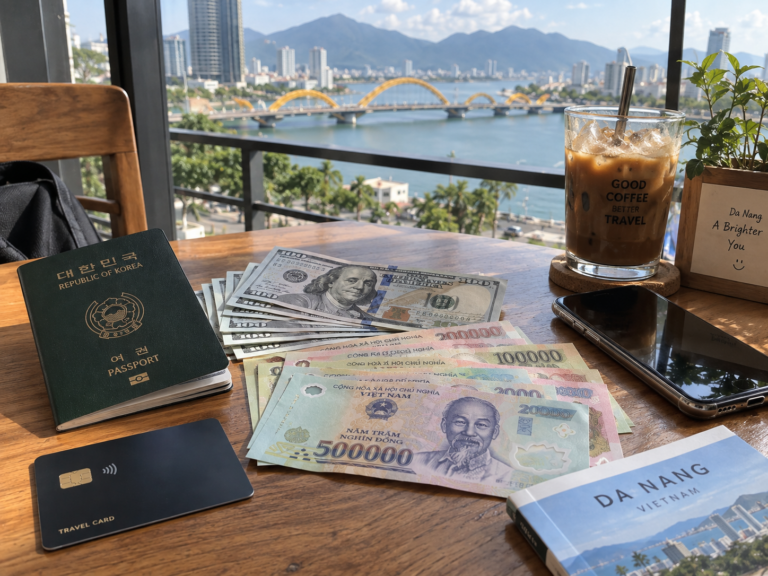
5. Carry some Vietnamese dong even if you have a card
Hotels, larger restaurants and modern businesses frequently accept cards, but smaller food stalls, markets and parking areas may rely on cash or local payment methods. Carry smaller denominations so vendors do not need to break a very large note. Check the exchange rate and any fees before changing money or withdrawing from an ATM. Inspect notes carefully: Vietnamese banknotes have similar colors and many zeros. Do not assume every gold shop offers the same rate or accepts every foreign banknote in the same condition. Our detailed Da Nang money exchange guide explains common cash and ATM questions.

6. Choose your neighborhood for the trip you want
My Khe Beach and An Thuong suit visitors who want a walkable mix of beach access, cafes and restaurants. The Han River and central districts can be convenient for markets, city landmarks and short rides around town. Resort areas farther south may offer quieter facilities but require longer transfers for evening activities. Compare actual walking routes, not just straight-line map distances. If you are traveling with a stroller, look for elevators, safe road crossings and shade; a hotel marked “near the beach” may still be separated from the sand by a busy road.
7. Do not overload your first day
A flight, immigration, bags and a hotel transfer can leave even experienced travelers tired. On arrival day, plan a relaxed meal, a short beach walk or a nearby cafe rather than several timed attractions. If your room will not be ready, ask the hotel about luggage storage. Drink water, adjust to the heat and make sure your phone data connection works. This small buffer is especially useful for families, older travelers or anyone arriving on an overnight flight.
8. Visit My Khe Beach with safety in mind
Early morning and late afternoon often feel more comfortable than the hottest part of the day. Swim only in permitted areas and follow posted flags, lifeguard instructions and weather warnings. During stormy or rough-sea periods, a scenic walk may be safer than swimming. Bring sun protection, water and a small bag for valuables. Do not leave phones or cash unattended on the sand. A beautiful-looking sea is not proof that currents are safe.
9. Give Ba Na Hills enough time
Ba Na Hills is not a quick stop between lunch and dinner. The cable-car journey, large grounds, queues and changeable mountain weather deserve most of a day if it is a priority. Bring a light layer: conditions at elevation can differ from the beach. Check the operator’s current opening times, ticket inclusions and transport details directly before paying. If visibility is poor, photographs at the Golden Bridge may look very different from promotional images. Traveling with small children? Budget time for naps and breaks rather than chasing every attraction.
10. Plan Hoi An as its own outing
Hoi An Ancient Town makes an excellent day or late-afternoon excursion from Da Nang. It is not another neighborhood of Da Nang: allow for a road transfer and heavier traffic around popular hours. Consider exploring lanes and heritage sites before the evening crowds, then staying for dinner if you enjoy lantern-lit streets. Wear comfortable shoes and check the weather because low-lying areas can flood during severe rainy-season conditions. Ask your driver in advance where the return pickup is permitted, since some central streets are pedestrianized at certain times.
11. Try local dishes beyond pho
Mi Quang, bun cha ca, banh xeo and fresh seafood can make a Da Nang trip memorable. Start with a few dishes and learn which accompaniments are usually added at the table. At busy food stalls, look for good turnover and observe basic hygiene. Travelers with allergies should carry a clearly written Vietnamese explanation: broths, sauces and garnishes may contain ingredients that are not obvious. For more background, read our Vietnamese seafood guide and guide to spicy Vietnamese food.

12. Check prices before ordering seafood or services
Some seafood is sold by weight rather than by a fixed plate price. Ask what the quoted amount covers, verify the weight and cooking method, and confirm whether drinks, sauces or service charges are extra. The same habit helps with spas, tours and private transfers: request the inclusions in writing. A clear total price avoids awkward surprises. Reviews can help, but check recent independent feedback and photographs, not just the overall star rating.
13. Prepare your phone for navigation and translation
An eSIM or local SIM makes ride-hailing, maps and translation easier, but confirm that your phone supports the service and is unlocked. Download offline maps, save the hotel address and keep essential booking details available without mobile data. Public Wi-Fi may be convenient, but avoid sensitive transactions on networks you do not trust. A power bank is useful for long sightseeing days. If you depend on two-factor authentication messages, plan how you will receive them while abroad.
14. Keep a rainy-day alternative
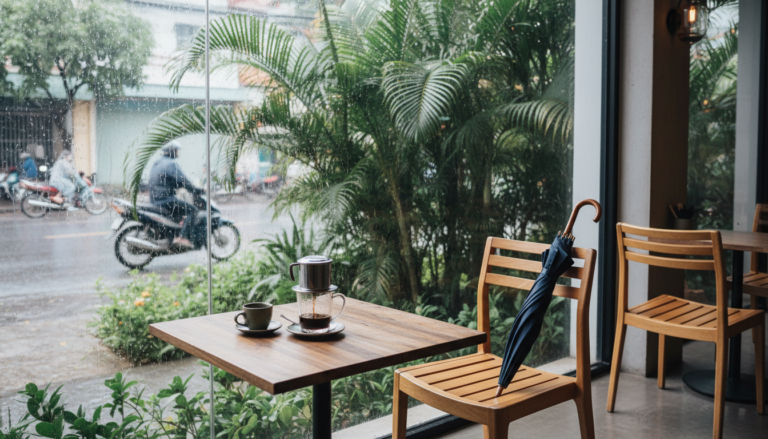
Rain does not have to ruin the trip. A weather-flexible afternoon might include a cafe, a museum, a cooking experience or a relaxed meal. Reschedule exposed mountain roads, beaches and boat activities when conditions are unsafe. After significant rainfall, verify whether routes and attractions are operating normally instead of relying on an old itinerary. During storm alerts, follow local authorities and your hotel’s guidance. The priority is safety, not completing every item on a checklist.
15. Build a realistic three-day itinerary
For a short first trip, balance one major excursion with simpler local experiences. Day 1: settle in, explore your neighborhood, enjoy a beach walk and have a local dinner. Day 2: choose Ba Na Hills or another substantial excursion, leaving the evening relaxed. Day 3: visit a market or city viewpoint and spend the afternoon or evening in Hoi An, or stay in Da Nang if the weather is poor. This is a framework, not a rigid schedule. Travelers with children may enjoy fewer stops and more pool or beach time.
Frequently asked questions about Da Nang travel
How many days should I spend in Da Nang?
Three to five days gives many first-time visitors a comfortable balance of beach time, food and at least one nearby excursion. Add days if you want slow travel or multiple day trips.
Is Da Nang good for families with young children?
Yes, with thoughtful pacing. Choose accommodation with child-friendly facilities, arrange suitable transport and plan around heat, naps and sudden weather changes.
Do I need cash in Da Nang?
Keep some Vietnamese dong for small purchases and local services even if you usually pay by card. ATM and currency-exchange fees vary.
Can I visit Hoi An and Ba Na Hills on the same day?
It may be physically possible with private transport, but most travelers will enjoy them more as separate outings because of travel time, queues and fatigue.
What should I do if it rains?
Switch to indoor activities and monitor weather alerts. Avoid swimming in rough seas and postpone mountain or boat trips when authorities or operators advise against them.
Official sources and further reading
For changing travel information, consult the Vietnam National Authority of Tourism’s Da Nang guide, Da Nang tourism’s seasonal weather guide, official airport visitor information, and Vietnam’s official e-visa portal. Always verify current rules and operating hours directly.
Last reviewed: October 2026. This is independent travel advice; transport availability, prices and regulations may change.